














 便り
How to Choose the Ideal Jib Crane
便り
How to Choose the Ideal Jib Crane
言語を変更する



フォローする


 Share
Share
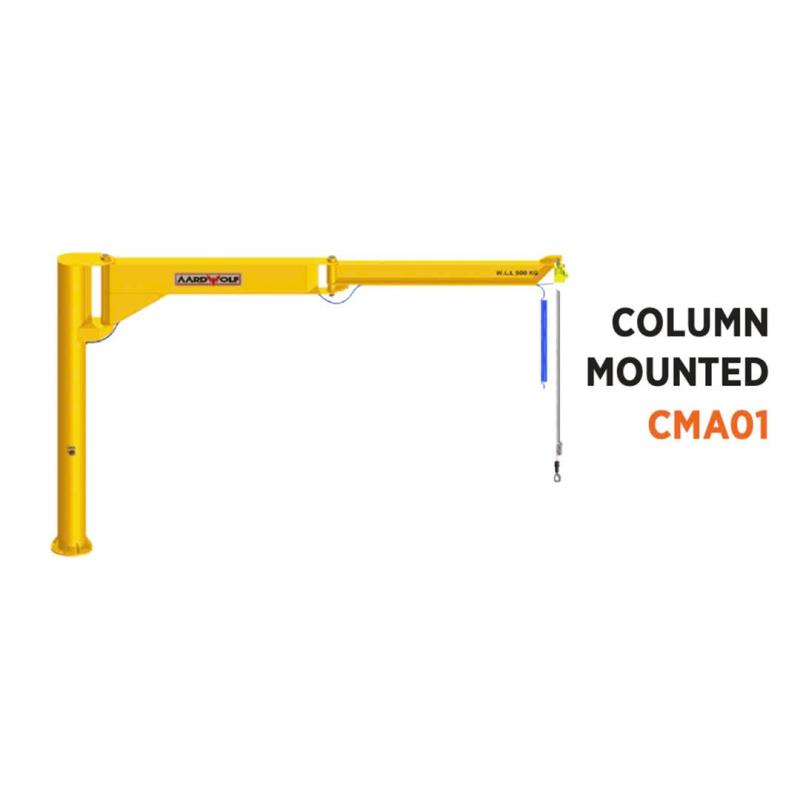
Whether you're managing a compact workshop or a sprawling production floor, choosing the right jib crane can streamline operations, reduce manual labor, and increase productivity.
This comprehensive guide walks you through how to evaluate, select, and implement the ideal jib crane for your application, including types, features, installation tips, and how to get the most value out of your investment.
Jib cranes are versatile lifting systems designed for localized handling tasks. Their horizontal jib or boom supports a lifting device, such as a hoist or vacuum lifter, allowing for radial movement of loads. They are commonly used for repetitive lifting tasks that require precision and a small footprint.
From general manufacturing to custom fabrication, the smart jib cranes provide straightforward lifting solutions across multiple industries.
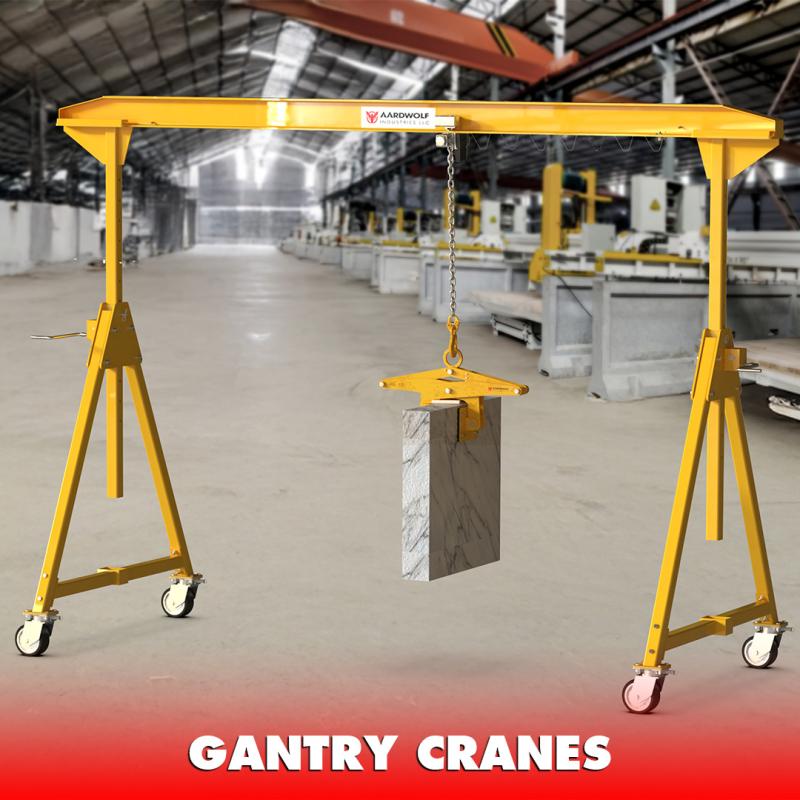
Before diving into crane models and features, it's crucial to evaluate the following:
Workspace dimensions
Load weight and shape
Mounting surface (floor, wall, ceiling)
Required range of motion
Frequency of use
Environmental conditions (indoor/outdoor, exposure to chemicals or heat)
Answering these questions helps match your needs to the correct jib crane type and configuration.
Choosing the right model starts with understanding your options. Exploring different types of jib cranes allows facility managers to match specific crane characteristics to individual operational needs.
The freestanding jib crane is anchored to a reinforced concrete foundation and provides 360-degree rotation. It is the most flexible and powerful option, supporting high capacities and long boom lengths.
Ideal For: Large production floors, loading bays, outdoor facilities.
A wall mounted jib crane attaches to a structural wall or column and offers up to 200-degree rotation.
Ideal For: Facilities with limited floor space where overhead structures can support the crane.
This model mounts directly to the ceiling or roof beams, offering seamless integration without occupying floor or wall space.
Ideal For: Warehouses and workshops with clear overhead access and no floor clearance.
Featuring two pivoting arms, the articulating jib crane provides greater reach around obstacles and tighter turns.
Ideal For: Workstations requiring high-precision lifting in tight spaces.
Also known as a column-mounted crane, the pillar jib crane is similar to a freestanding model but often smaller and used for lighter-duty operations.
Ideal For: Assembly lines, mechanical shops, and job shops.
For more insights into real-world setups, explore the diverse range of jib cranes available across industries.
Modern smart jib cranes incorporate automation, safety, and IoT integration, transforming traditional lifting into a more intelligent, efficient process.
Advanced jib cranes now include built-in safety features like anti-collision sensors, overload detection, and auto-braking. Exploring smart jib cranes feature intelligent safety enables safer environments and fewer operational delays.
Smart cranes come with programmable settings, allowing precise load movement and repeatable tasks without human intervention. The smart jib cranes utilize automation for optimal productivity in repetitive workflows.
IoT-enabled cranes allow supervisors to monitor operations remotely, track usage patterns, and schedule maintenance automatically—making your crane a smart asset.
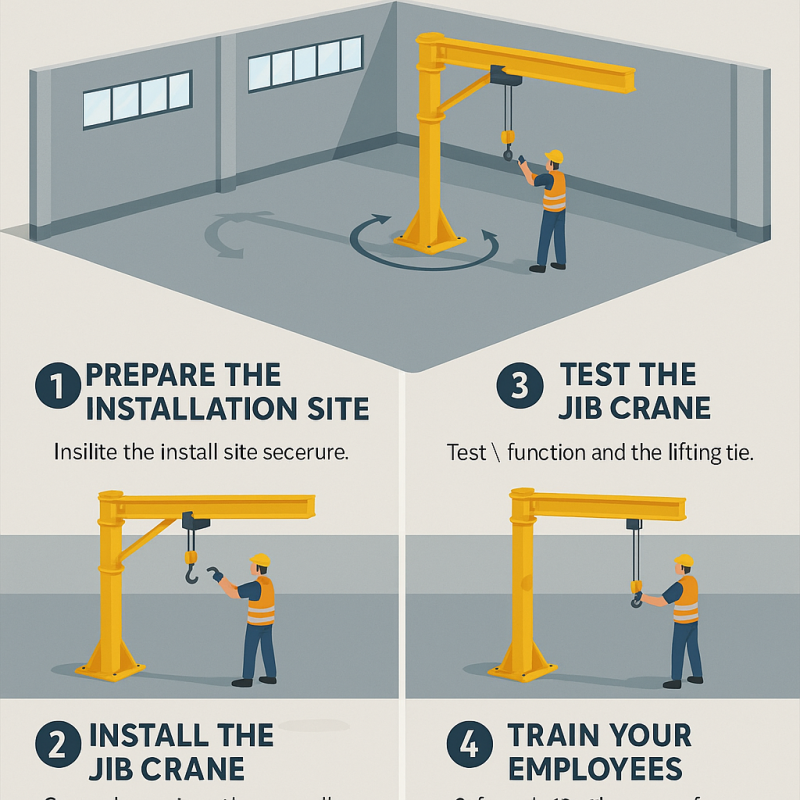
Proper installation is just as important as choosing the right crane. Here are key steps for successful implementation:
Site Preparation: Reinforce the floor (for freestanding or pillar-mounted cranes) and inspect walls or ceilings for structural integrity.
Professional Installation: Ensure correct anchoring, alignment, and calibration by certified professionals.
Operator Training: All operators must be trained on crane use, emergency procedures, and load limits.
Testing & Certification: Before going live, test all functions under load and confirm compliance with local safety codes.
For a step-by-step guide, refer to The diverse range of jib craned.
Your investment doesn’t stop at installation. Ongoing optimization ensures that your crane operates at peak performance for years.
Understand the crane’s rated capacity and avoid overloading. Even distribution helps prevent strain on components.
Implement daily, weekly, and annual maintenance schedules to check for wear, corrosion, or structural issues.
If business needs evolve, modern jib cranes often offer modular upgrades or automation retrofits. Learn more about the potential of these advanced lifting solutions and how they can scale with your business.
While cost is a factor, selecting the cheapest jib crane may result in long-term inefficiencies. Balance your budget with essential features like reach, height, safety, and future scalability.
Review the comprehensive advice in Maximizing the Potential of Advanced Jib Crane Solutions to guide your final decision.
Selecting the right jib crane is more than a product decision—it’s a strategic investment in productivity, safety, and long-term efficiency. Whether you need a freestanding jib crane for heavy-duty lifting or a wall-mounted jib crane for space-saving tasks, understanding the full landscape of options will ensure your investment pays off.
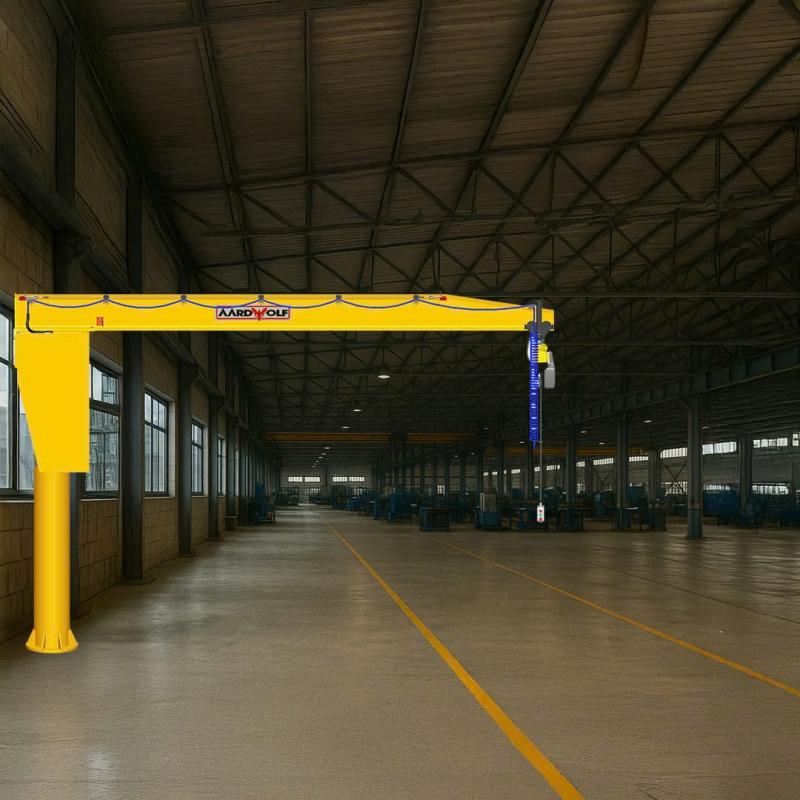
With proper planning, feature evaluation, and professional implementation, your business can unlock the full potential of smart lifting systems. Start with a trusted solution—smart jib cranes provide straightforward lifting solutions tailored to your operational goals.
1. How to operate a Jib Crane safely
3. Over brace jib crane wall mounted
5. Is a Jib Crane a Gantry Crane
6. Articulated Jib Crane Wall Mounted
8. Manual Counterbalance Crane
10. Over Braced Jib Crane Column Mounted
Aardwolfの新製品、特別オファーなどの最新情報を受け取るにはご登録ください。
登録すると、Aardwolfからニュース、特別オファー、プロモーション、その他の情報を含むメールを受け取ることに同意したことになります。いつでも配信停止できます。