











 뉴스
What Must Be Clearly Marked on Each Side of an Overhead or Gantry Crane?
뉴스
What Must Be Clearly Marked on Each Side of an Overhead or Gantry Crane?
언어 변경



우리를 팔로우하세요


 Share
Share
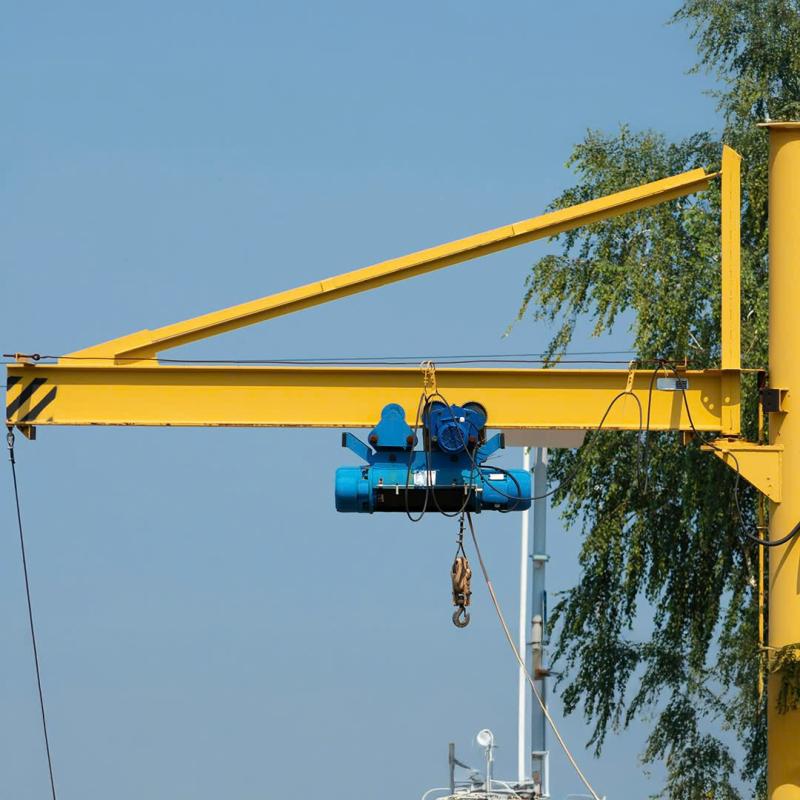
One fundamental safety measure, which might seem simple yet is crucially important, involves clear capacity markings. These markings—often called rated load or capacity signs—must be clearly visible on each side of an overhead or gantry crane to inform operators about the maximum weight the equipment is designed to safely lift.
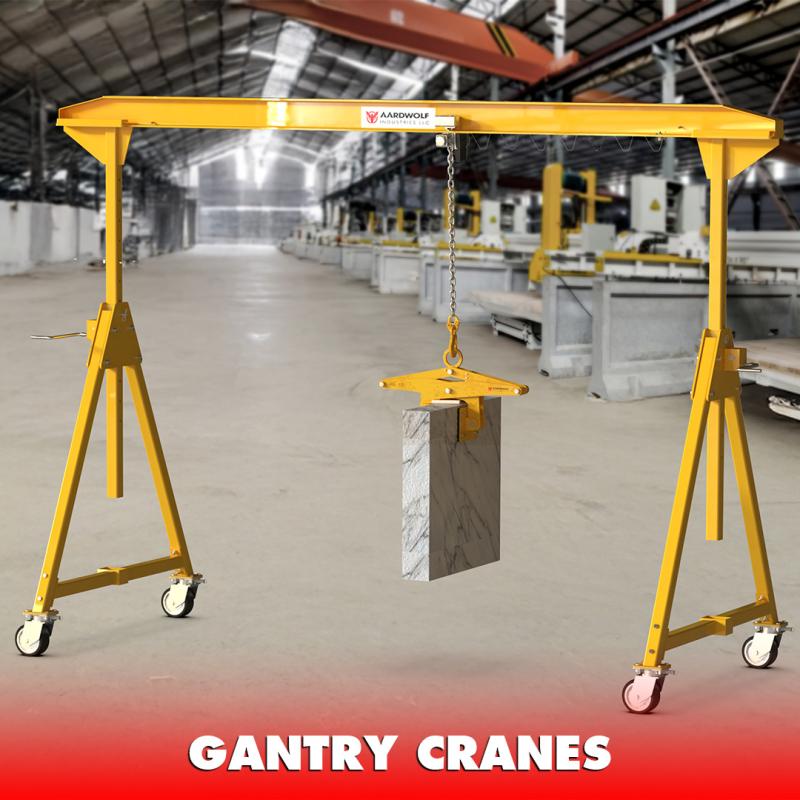
In this article, we’ll explore why capacity markings are essential, what guidelines and regulations apply, and why products such as the Aardwolf AGC-1000 Portable Gantry Crane exemplify best practices in clearly marking crane capacities to enhance safety.
Capacity markings are safety indicators affixed to overhead lifting equipment to clearly communicate the crane’s maximum rated lifting load. Ensuring operators have a visible reminder of the equipment’s limits significantly reduces risks of overload-related incidents, protecting both personnel and equipment.
Specifically, capacity markings provide:
Immediate reference: Allowing crane operators to quickly confirm lifting limits before operation.
Reduced risk of overloads: Helping prevent operators from inadvertently exceeding load capacities.
Compliance with safety standards: Adhering to OSHA and ASME requirements to maintain safe operations.
Properly marking crane capacities is not merely advisable—it’s required by regulatory agencies and industry standards. Here are the explicit requirements from major safety organizations:
According to OSHA standard 1910.179(b)(5):
“The rated load of the crane shall be plainly marked on each side of the crane, and if the crane has more than one hoisting unit, each hoist shall have its rated load marked on it or its load block. This marking shall be clearly legible from the ground or floor.”
This OSHA requirement ensures capacity markings are always visible to operators, preventing confusion and enhancing operational safety.
ASME (American Society of Mechanical Engineers) standards further reinforce this requirement:
ASME B30.17-1.1.1 (Cranes) states clearly:
“The rated load shall be marked on each side of the crane... and clearly legible from the ground or floor.”
ASME B30.16-1.1.1 (Hoists) requires:
“The rated load of a hoist shall be marked on the hoist or its load block and shall be legible from the ground or floor.”
Together, OSHA and ASME set clear regulations on capacity markings, underlining their critical role in crane safety.
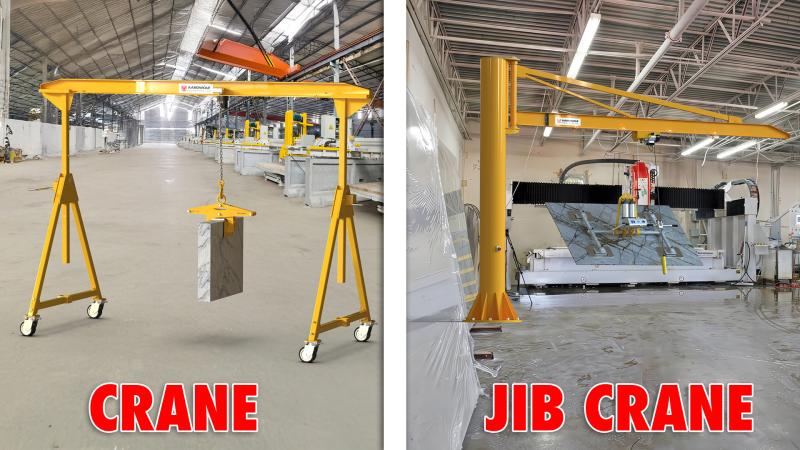
Proper implementation of capacity markings involves adhering to several best practices:
Visibility: Markings should be clearly visible from the operator's working position and the ground.
Size and Clarity: Lettering must be bold, large, and easy to read from a distance.
Location: Each side of an overhead or gantry crane must clearly display the capacity.
Consistency: Use uniform, easily recognizable signs and language for clear understanding by all personnel.
Aardwolf Industries, recognized globally for manufacturing high-quality portable gantry cranes, exemplifies these best practices perfectly. For example, their flagship portable crane, the Aardwolf AGC-1000, prominently displays clear and highly visible capacity markings.
Specifically, the AGC-1000 includes:
Bold, legible capacity markings indicating a maximum rated load of 1,000 kg (2,204 lbs).
Capacity signs placed on both sides of the crane’s main beam and clearly visible from multiple vantage points.
Additional markings on components such as the hoist or load block for increased clarity.
This detailed attention to safety ensures that operators always know the crane’s limitations, greatly reducing operational hazards.
Let’s further detail how capacity markings specifically benefit operations involving Aardwolf’s portable cranes:
Operators can instantly verify the crane's lifting limits, enabling safer decision-making. With clear markings, operators of the Aardwolf AGC-1000 are unlikely to mistakenly overload the crane, ensuring safer lifts of stone slabs, machinery, or other heavy items.
Using clearly marked cranes like those from Aardwolf ensures straightforward compliance with OSHA and ASME standards. By clearly displaying capacity markings, businesses avoid costly compliance penalties and reduce liability risks.
Capacity markings directly enhance workplace safety. By clearly specifying maximum lifting capacities, incidents involving overload-related failures become significantly less likely, protecting workers from injuries and accidents.
 What Must Be Clearly Marked on Each Side of an Overhead or Gantry CraneSteps to Ensure Proper Marking and Inspection
To maintain crane safety and regulatory compliance, operators and safety managers must regularly ensure proper marking and inspect for legibility:
Verify that capacity markings are present, clear, legible, and visible from multiple viewpoints.
Confirm markings match the crane’s official rated load specified by the manufacturer.
Remove cranes with missing or illegible markings from operation until corrected.
Implement regular maintenance checks to maintain the visibility and integrity of crane markings. Replace worn or faded markings promptly.
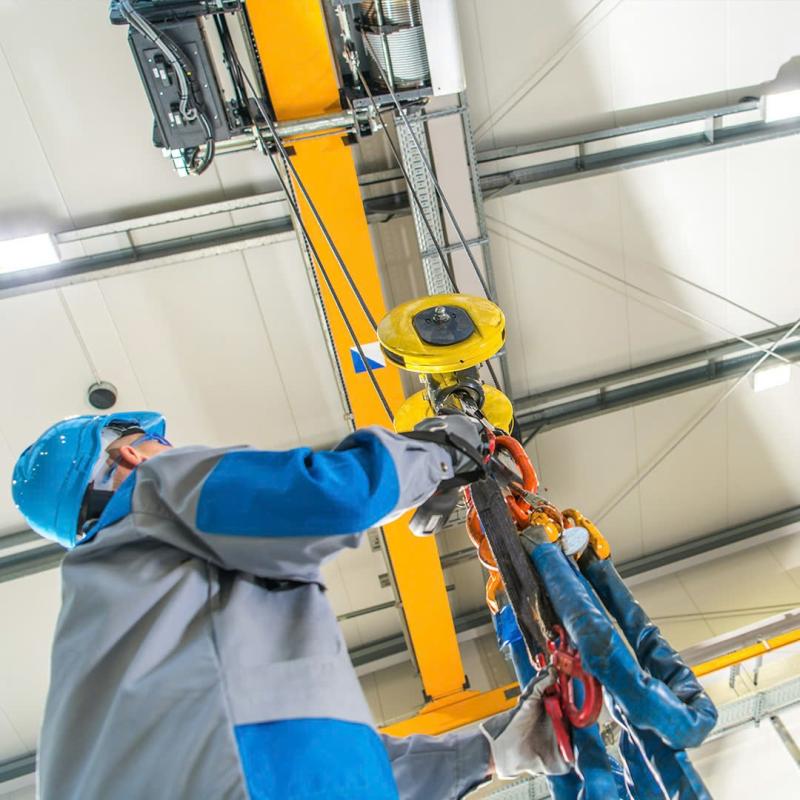
Conduct comprehensive training to educate employees on the significance of capacity markings and proper crane use. Aardwolf provides resources to assist users in understanding crane operation, safety precautions, and equipment care.
Aardwolf’s commitment to crane safety and capacity clarity is exemplified in their AGC-1000 portable crane. Let’s delve deeper into this exemplary model:
Rated Load: Clearly marked on each side, displaying a maximum load of 1,000 kg (2,204 lbs).
Material: Durable, lightweight aluminum ensuring strength and stability during lifts.
Height Adjustment: Easily adjustable through hand-wind handles or battery drills, visibly indicated on adjustment points.
Portability and Flexibility: Equipped with heavy-duty swivel casters allowing smooth relocation across various work areas.
Industries benefiting significantly from using clearly marked Aardwolf gantry cranes include:
Stone fabrication facilities: Ensuring safe lifting of granite, marble, and quartz slabs.
Glass manufacturers and installers: Pairing with vacuum lifters for secure handling of fragile loads.
Construction and Maintenance: Providing safe lifting solutions for structural elements, machinery maintenance, or HVAC installations.
Workshops and Warehouses: Allowing operators to lift and transport heavy equipment safely.
 Why Choose Aardwolf for Clearly Marked, Safe Gantry Cranes?
When choosing lifting equipment, particularly in the category of portable gantry cranes, clear capacity marking isn't just beneficial—it’s mandatory. Aardwolf Industries excels in this crucial safety aspect. Key reasons for choosing their cranes include:
Uncompromising Safety Standards: Compliance with OSHA and ASME regulations ensuring reliable safety.
Exceptional Quality and Durability: Built from high-grade materials like aluminum, designed for rigorous industrial use.
Outstanding Visibility: Bold, easy-to-read capacity markings prominently displayed on crane components.
Ease of Use: Quick assembly and clear instructional markings facilitating safe operations.
To answer clearly the question, "what must be clearly marked on each side of an overhead or gantry crane?": the crane’s rated load capacity must always be plainly marked and easily visible. This crucial safety practice is mandatory by OSHA and ASME standards and is a foundational component of safe crane operations.
Aardwolf’s portable gantry cranes, particularly the AGC-1000, serve as exemplary models of clear, compliant, and safe lifting equipment. By clearly marking their cranes, Aardwolf significantly enhances safety, regulatory compliance, and overall operational reliability.
For businesses prioritizing workplace safety, operational efficiency, and regulatory adherence, choosing a clearly marked, reliable crane like the Aardwolf AGC-1000 is a strategic decision that ensures both immediate safety and long-term operational success.
References
1. How to operate a Jib Crane safely
3. Over brace jib crane wall mounted
5. Is a Jib Crane a Gantry Crane
6. Articulated Jib Crane Wall Mounted
8. Manual Counterbalance Crane
10. Over Braced Jib Crane Column Mounted
Aardwolf의 신제품, 특별 할인 및 기타 정보를 받으려면 가입하세요.
가입하면 Aardwolf로부터 뉴스, 특별 할인, 프로모션 및 기타 정보를 이메일로 받는 데 동의하게 됩니다. 언제든지 구독을 취소할 수 있습니다.