











 뉴스
What Is an Overhead Gantry Crane?
뉴스
What Is an Overhead Gantry Crane?
언어 변경



우리를 팔로우하세요


 Share
Share
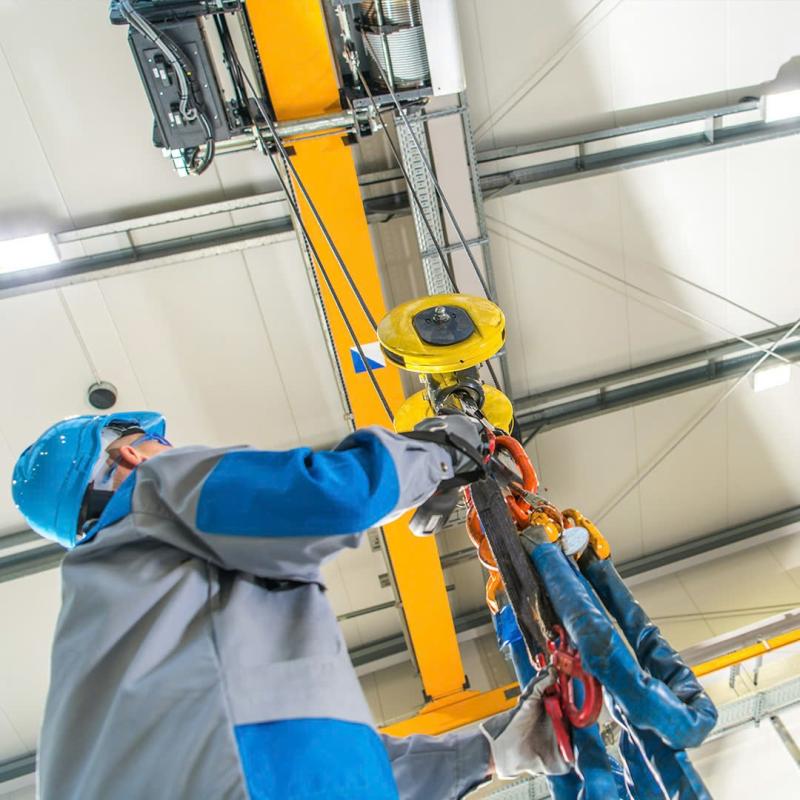
These cranes are engineered to move heavy loads efficiently and safely, offering distinct advantages over traditional lifting methods. But what exactly is an overhead gantry crane, and how does it differ from other overhead systems?
In this comprehensive guide, we’ll explore the definition, design, applications, types, benefits, and key features of overhead gantry cranes, with a special focus on Aardwolf’s industry-leading gantry crane systems.
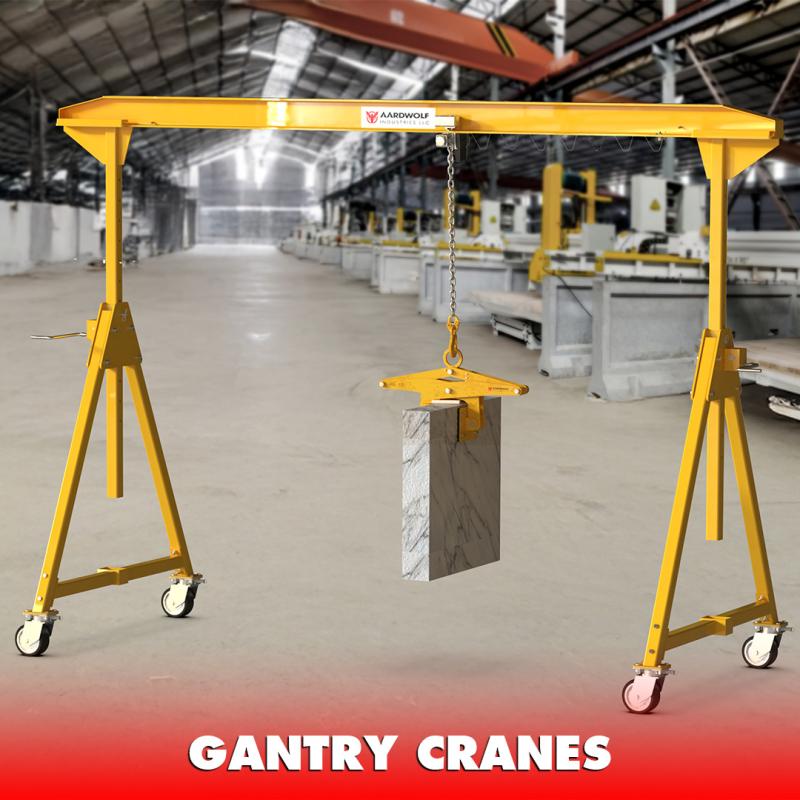
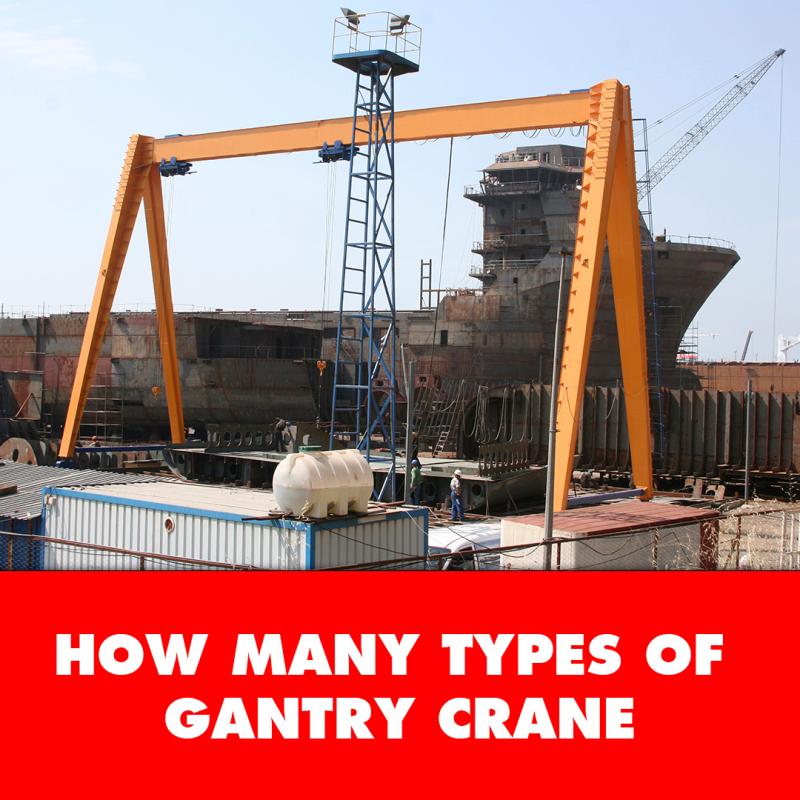
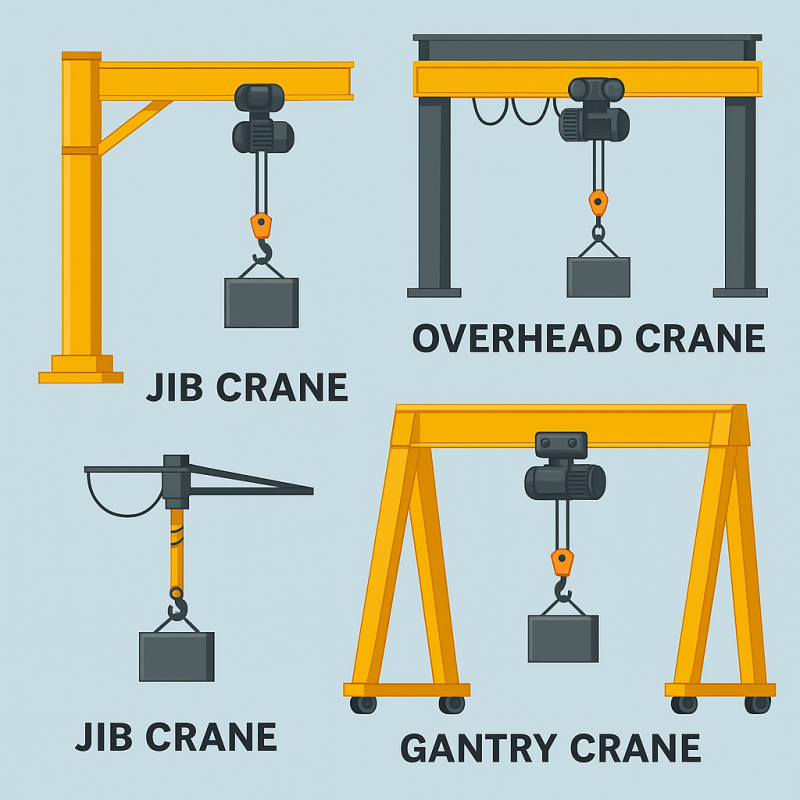
An overhead gantry crane is a type of crane that uses a horizontal beam (girder) supported by freestanding vertical legs. The beam carries a hoist or trolley that travels along its length, enabling the crane to lift and move heavy loads horizontally and vertically.
Unlike traditional bridge cranes that require building-mounted runway systems, gantry cranes are self-supporting. This design makes them especially useful for outdoor yards, open workshops, or facilities without adequate structural supports.
Every overhead gantry crane includes several essential parts:
Main Girder (Beam): The bridge that spans the load area.
Legs: Support the beam; may be fixed or height-adjustable.
End Trucks or Bases: Equipped with wheels or tracks for mobility.
Hoist: The lifting mechanism (manual, electric, or pneumatic).
Trolley: Moves the hoist along the girder.
Controls: Pendant, wireless remote, or cab-based interface.
Some models, such as Aardwolf’s portable gantry cranes, come with quick-locking pins, heavy-duty casters, and aluminum construction, making them lightweight yet industrial-grade.
Overhead gantry cranes offer significant advantages over other lifting systems:
Increased Productivity: They speed up loading, unloading, and internal logistics.
Space Optimization: As freestanding systems, they eliminate the need for floor-mounted supports or building modifications.
Adaptability: Gantry cranes can be relocated, resized, or reconfigured as needed.
Cost-Efficiency: Portable systems like those from Aardwolf require minimal setup and no permanent structural work.
Safety: Reduce manual handling risks and operator fatigue.
Overhead gantry cranes are used in a wide range of industries:
Stone and Granite Fabrication: For lifting large slabs, Aardwolf cranes pair perfectly with vacuum lifters and slab clamps.
Metalworking: Moving heavy sheets or machined components.
Construction: Handling pre-cast concrete, steel beams, or roofing panels.
Logistics: Loading and unloading containers or pallets in warehouses and docks.
Manufacturing: Transporting parts between workstations on an assembly line.

 Types of Overhead Gantry Cranes
Understanding the different types of gantry cranes helps determine the right system for your application.
Two legs support the bridge.
Typically run on floor-mounted rails.
Suitable for outdoor and high-capacity operations.
One leg rides on the floor, the other on a wall-mounted rail.
Saves floor space in tight facilities.
Mounted on casters.
Ideal for flexible, mobile applications.
Used extensively in workshops and small job sites.
Aardwolf's AGC-1000 Portable Gantry Crane is a perfect example, offering a 1,000 kg capacity with an adjustable height frame, easy transport, and rugged construction.
Telescoping legs allow height changes.
Helpful for different clearance zones or transporting through doorways.
Tailored for large-scale or unique industrial setups.
Aardwolf Industries is renowned for high-quality lifting equipment in stone, glass, and metal handling industries. Their AGC-1000 model embodies everything a modern overhead gantry crane should offer.
Load Capacity: 1,000 kg (2,204 lbs)
Construction: High-strength aluminum
Adjustability: Height-adjustable legs for varying clearance needs
Mobility: Four lockable casters for stability and repositioning
Assembly: Tool-free setup and disassembly
Compatibility: Works with chain hoists, electric hoists, and vacuum lifting tools
Aardwolf’s cranes are engineered to meet CE standards, ensuring compliance and durability even in challenging work environments.
Here’s what to consider when selecting the ideal crane:
Know your maximum and average load weight. Always choose a crane with a higher safe working load (SWL) than your expected use.
Measure the span and height clearance. Aardwolf’s AGC-1000 fits in standard workshops while providing plenty of overhead lift.
Aluminum frames, like those from Aardwolf, resist corrosion, making them suitable for both indoor and light-duty outdoor applications.
If you need to move the crane between workstations, a portable system with heavy-duty casters is essential.
Decide between manual or electric hoists. For precise control and high-cycle use, electric hoists offer superior efficiency.
Proper installation and upkeep ensure safety and longevity.
Level the surface before setup.
Lock casters when in operation.
Follow Aardwolf's assembly guide for proper pin placement and bracing.
Inspect bolts, wheels, and hoist cables daily.
Lubricate moving parts monthly.
Perform load testing annually or after relocation.
Aardwolf gantries are designed for easy maintenance, thanks to modular parts and simplified structure.
Operating an overhead gantry crane safely requires more than just training—it involves consistent awareness.
Always inspect before use.
Never exceed the rated capacity.
Avoid swinging or side-pulling loads.
Use taglines to control long or awkward items.
Keep personnel clear of the load path.
Aardwolf designs its cranes with safety in mind, using reinforced joints, secure locking pins, and stable footprints.
 Conclusion: Why Overhead Gantry Cranes Matter
So, what is an overhead gantry crane? It’s a purpose-built lifting system designed to handle demanding material handling tasks in environments where safety, efficiency, and flexibility are non-negotiable. Whether you're lifting engine components in a manufacturing plant, moving steel assemblies in a fabrication shop, or transferring granite slabs in a stone processing facility, an overhead gantry crane ensures that your operations run smoothly and safely.
The Aardwolf AGC-1000 portable gantry crane stands out as a proven solution for small to mid-scale lifting applications. Its robust design and portability make it ideal for professionals who require precision and mobility without compromising lifting power.
Reliable 1,000 kg load capacity, allowing you to safely lift stone slabs, metal sheets, equipment, and precast elements with confidence.
True portability, thanks to heavy-duty lockable casters and lightweight aluminum construction, enabling fast relocation between workstations or job sites.
Tool-free setup and breakdown, which reduces assembly time to just minutes—ideal for maintenance teams, mobile fabricators, or temporary setups.
Seamless compatibility with electric or manual hoists, slab lifters, and vacuum lifters, offering maximum versatility for lifting stone, glass, or steel with precision and control.
By selecting the right overhead gantry crane—such as the Aardwolf AGC-1000—you not only improve material handling efficiency but also reduce the risk of workplace injuries, avoid load damage, and increase throughput across your facility.
Aardwolf’s focus on operator-friendly design, rugged construction, and industry versatility makes their gantry crane solutions a smart investment for professionals who demand results. Whether stationary or on the move, Aardwolf equipment delivers consistent lifting performance where it matters most.
References
1. How to operate a Jib Crane safely
3. Over brace jib crane wall mounted
5. Is a Jib Crane a Gantry Crane
6. Articulated Jib Crane Wall Mounted
8. Manual Counterbalance Crane
10. Over Braced Jib Crane Column Mounted
Aardwolf의 신제품, 특별 할인 및 기타 정보를 받으려면 가입하세요.
가입하면 Aardwolf로부터 뉴스, 특별 할인, 프로모션 및 기타 정보를 이메일로 받는 데 동의하게 됩니다. 언제든지 구독을 취소할 수 있습니다.