












 뉴스
How to Use a Gantry Crane
뉴스
How to Use a Gantry Crane
언어 변경



우리를 팔로우하세요


 Share
Share
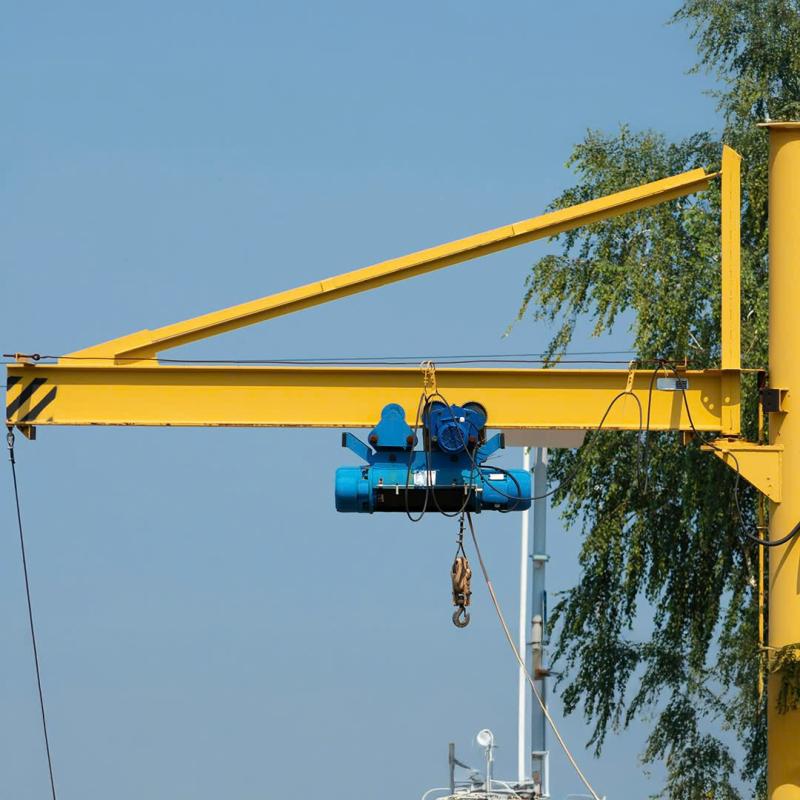
From stone fabrication and construction to warehousing and manufacturing. When operated properly, they improve efficiency, reduce manual handling risks, and help prevent workplace injuries. But improper use can quickly lead to costly damage or safety hazards.
In this complete guide, you'll learn how to use a gantry crane safely and effectively, including essential pre-operation checks, lifting best practices, common hazards to avoid, and how Aardwolf’s AGC-1000 portable gantry crane enhances safety and mobility in real-world environments.
Operating a gantry crane is about more than moving heavy objects — it's about doing it safely and efficiently. Poor operation can:
Damage valuable equipment
Endanger nearby workers
Disrupt workflows and cause costly delays
That’s why proper training, regular inspections, and using quality equipment like Aardwolf’s AGC-1000 are essential.
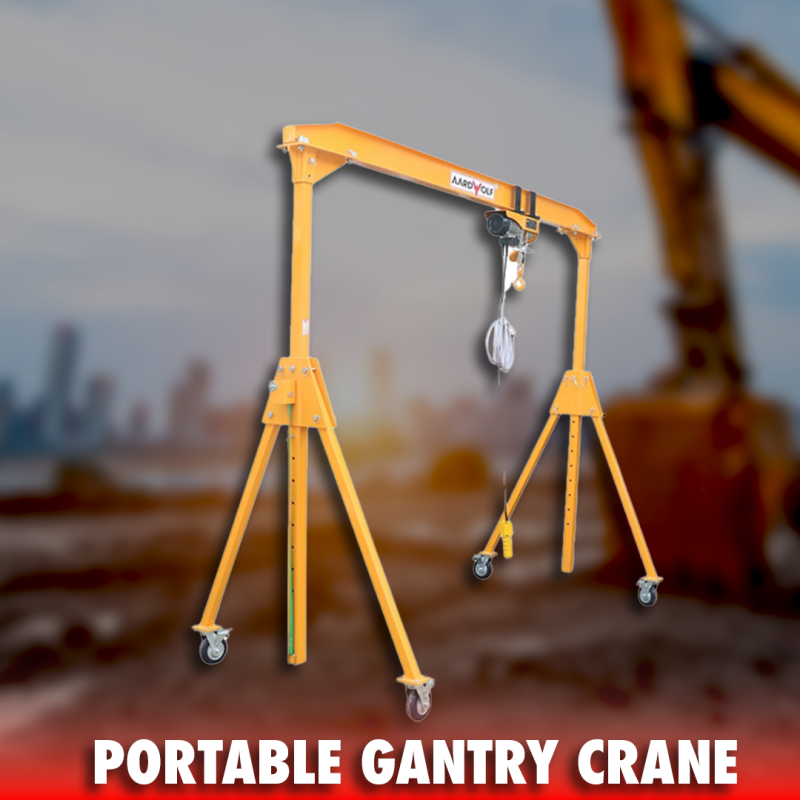
A gantry crane is a freestanding, overhead lifting device supported by two legs that move on wheels or tracks. It typically features:
A horizontal I-beam (bridge)
Vertical supports (legs)
A trolley and hoist mechanism
Locking casters or track-mounted feet
Unlike bridge cranes, gantry cranes are not fixed to building infrastructure, making them ideal for mobile and flexible lifting tasks.
Before using any gantry crane, complete this safety checklist:
Ensure only trained, certified personnel operate the crane.
Check for loose bolts or pins
Examine hoist chains or cables for wear
Test control switches and emergency stops
Look for any signs of structural damage
Remove tripping hazards
Confirm the path is clear
Ensure proper lighting and overhead clearance
Verify the weight of the load does not exceed 1,000 kg (Aardwolf AGC-1000 limit)
Ensure lifting slings or attachments are in good condition
Double-check sling angles and hook positioning
Following correct lifting procedures is crucial. Here’s how to use a gantry crane the right way:
Position the crane directly over the load to prevent swinging or side-pulling.
Always follow commands from one designated signal person. Use clear, pre-approved signals.
Sound a bell or horn before lifting. Ensure no one is under or near the load.
Lift the load a few inches to confirm:
Proper sling tension
Smooth hoist movement
Functional brakes and controls
Avoid jerky or fast motions
Stop if anything feels unbalanced
Lower the load slowly to its resting point
To stay safe, avoid these common gantry crane mistakes:
Lifting at an angle
Exceeding load capacity
Hoisting with damaged slings or hooks
Operating with broken limit switches
Leaving loads suspended unattended
Allowing personnel to ride on the load or hook
Lowering the hook below the required drum wrap
Never reverse the crane motor unless absolutely necessary to avoid an accident.
The Aardwolf AGC-1000 is engineered with user safety and flexibility in mind.
1,000 kg lifting capacity
Adjustable height for different jobsite requirements
Aluminum construction for strength and corrosion resistance
Lockable heavy-duty casters for mobility and stability
Quick setup and disassembly with minimal tools
Compact footprint, ideal for indoor and outdoor applications
This gantry crane is ideal for industries that handle stone, glass, metal, and other heavy materials — without the need for fixed infrastructure.
Depending on your region, operators may be required to:
Pass written and practical exams
Understand mechanical and electrical controls
Perform routine maintenance and safety checks
Even portable cranes like the AGC-1000 require formal safety awareness and proper operating knowledge.
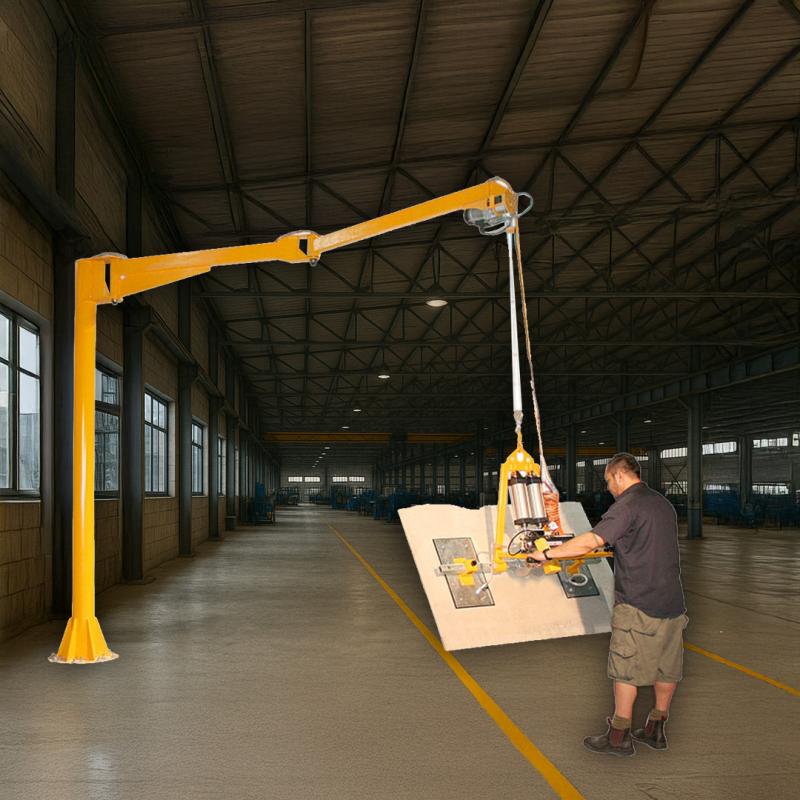
Learning how to use a gantry crane safely is essential for maximizing your equipment’s value and ensuring long-term safety and efficiency. Whether you're carefully positioning granite or marble slabs in a stone fabrication facility or hoisting heavy machinery components during repairs in a manufacturing plant, proper crane operation directly impacts productivity, safety, and equipment longevity.
When paired with skilled operation, the Aardwolf AGC-1000 gantry crane delivers significant advantages for both routine and specialized lifting tasks:
Enhanced Mobility: The AGC-1000’s lightweight aluminum frame and heavy-duty lockable casters allow for smooth movement across shop floors, outdoor yards, or construction sites—enabling one crane to serve multiple workstations or job zones.
Streamlined Setup: With its modular design and quick-locking mechanisms, the AGC-1000 can be fully assembled or dismantled in minutes—ideal for service teams or shops where flexibility and time savings are critical.
Safe Lifting Performance: Rated for up to 1,000 kg, the AGC-1000 provides reliable lifting power for stone slabs, steel parts, glass panels, and other bulky materials. Its adjustable height feature ensures optimal lift angles and reduced risk of load swing or instability.
Reduced Downtime and Maintenance: Built with corrosion-resistant materials and simple mechanical systems, the Aardwolf AGC-1000 requires minimal upkeep, helping teams avoid unnecessary stoppages and extend the crane’s working life.
By following best practices for gantry crane operation and choosing proven equipment like Aardwolf’s AGC-1000, you equip your team with a lifting solution that is safe, efficient, and built to perform—day after day, job after job.
References
1. How to operate a Jib Crane safely
3. Over brace jib crane wall mounted
5. Is a Jib Crane a Gantry Crane
6. Articulated Jib Crane Wall Mounted
8. Manual Counterbalance Crane
10. Over Braced Jib Crane Column Mounted
11. Powered counterbalance Crane
Aardwolf의 신제품, 특별 할인 및 기타 정보를 받으려면 가입하세요.
가입하면 Aardwolf로부터 뉴스, 특별 할인, 프로모션 및 기타 정보를 이메일로 받는 데 동의하게 됩니다. 언제든지 구독을 취소할 수 있습니다.