












 뉴스
How to Diagnose and Fix Common Issues with Aardwolf Gantry Cranes
뉴스
How to Diagnose and Fix Common Issues with Aardwolf Gantry Cranes
언어 변경



우리를 팔로우하세요


 Share
Share
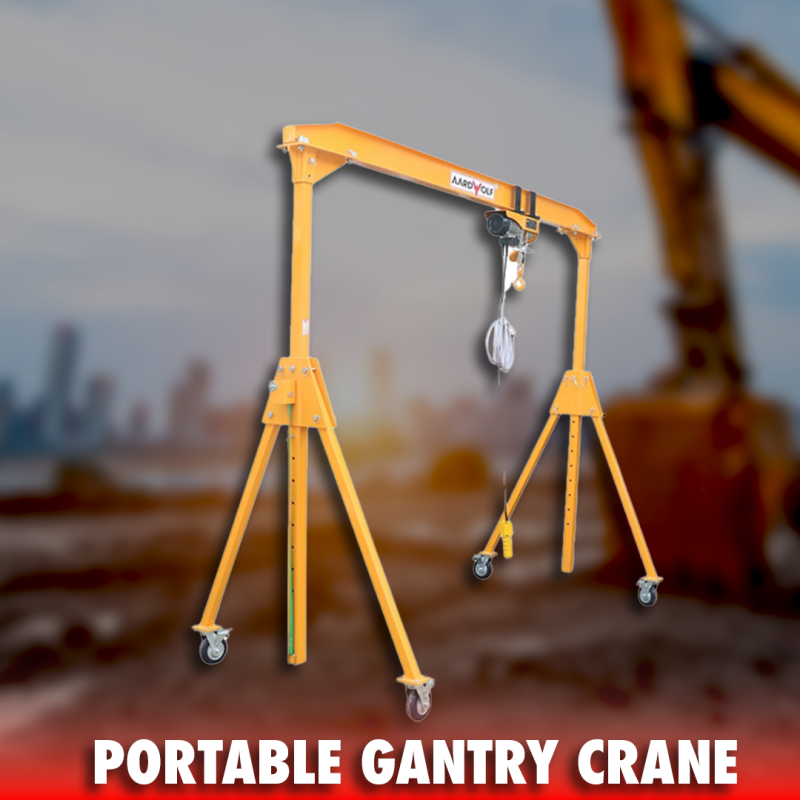
Despite their robust design, gantry cranes, like any mechanical equipment, may occasionally experience operational issues. Effective troubleshooting is crucial for maintaining crane reliability, minimizing downtime, and enhancing workplace safety.
In this comprehensive guide, we specifically address troubleshooting common issues encountered with Aardwolf gantry cranes, focusing in detail on the renowned Aardwolf AGC-1000 Portable Gantry Crane. We’ll provide step-by-step guidance on accurately diagnosing these common problems, clearly identifying the specific Aardwolf components involved—such as adjustable legs, swivel casters, and the hoist mechanism—and offering precise, practical solutions to restore your crane quickly to peak operational performance.
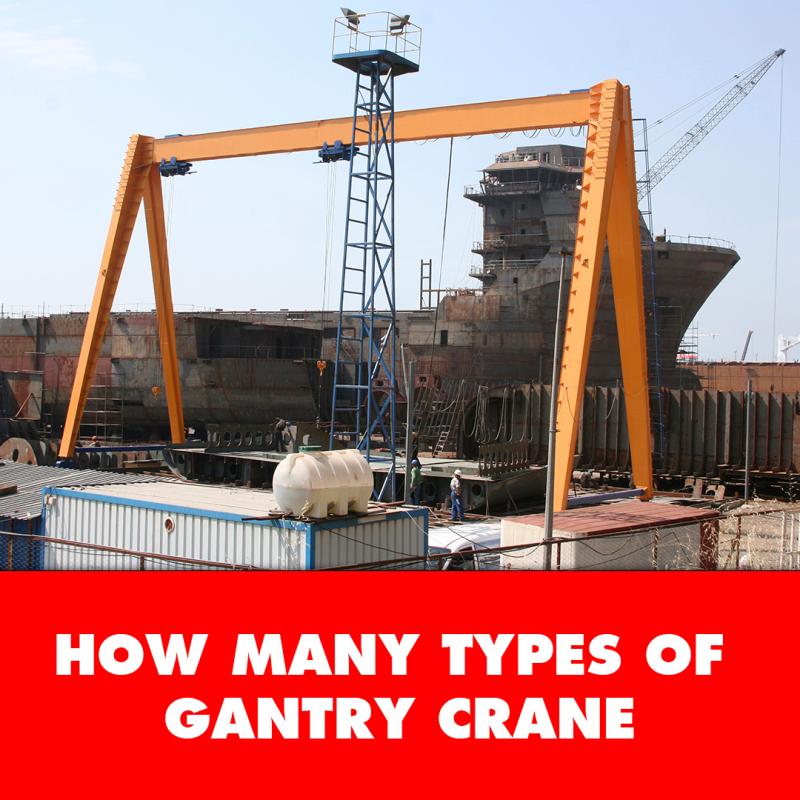
Before diving into troubleshooting, it’s critical to understand key components of the Aardwolf gantry crane, particularly the AGC-1000:
Hoist: Essential for vertical lifting, the hoist contains cables, pulleys, hooks, and motors.
Trolley: Moves horizontally along the beam, allowing precise load placement.
Beam (Bridge): Aluminum structure supporting trolley and hoist, with clearly marked load capacities (up to 1,000 kg).
Adjustable Legs: Enable flexible height settings, using manual handles or power drills for adjustment.
Caster Wheels: Allow easy movement around workspaces; wheels include secure locking mechanisms for stability.
Control System: Simple, intuitive control panel to manage lifting, lowering, and horizontal movements.
Understanding these components ensures accurate diagnostics and effective problem-solving.
Before diagnosing specific problems, follow these important pre-troubleshooting steps to ensure safe and effective repairs:
Conduct a visual inspection of your Aardwolf gantry crane to identify visible problems such as damage, excessive wear, or missing components.
Consult your Aardwolf crane manual for detailed specifications, component descriptions, and recommended maintenance intervals.
Always prioritize safety. Wear proper PPE, lock out and tag out power sources if applicable, and ensure the crane is secured from unexpected movement.
Below are the most common issues encountered with gantry cranes, with detailed instructions specifically tailored for Aardwolf products like the AGC-1000:
Check casters for obstruction, debris, or damage.
Inspect for uneven flooring or damaged wheel bearings.
Verify brakes are fully disengaged when moving the crane.
Clear any debris or obstructions around caster wheels.
Lubricate wheels and bearings according to Aardwolf recommendations.
Replace damaged casters promptly with genuine Aardwolf parts.
Inspect height adjustment mechanisms (hand-wind handles or battery drills) for signs of wear, corrosion, or damage.
Check for foreign material blocking the adjustable legs or locking pins.
Lubricate adjustment mechanisms regularly as specified by Aardwolf guidelines.
Clear debris and rust from leg slots and pin holes.
Replace worn or damaged adjustment handles or components using genuine Aardwolf replacement parts.
Examine hoist and trolley systems for loose or misaligned components.
Ensure load attachments (hooks, clamps, vacuum lifters) are properly secured and balanced.
Tighten and realign trolley and hoist components according to Aardwolf instructions.
Always secure loads using appropriate Aardwolf lifting attachments, ensuring balanced weight distribution.
Verify the load never exceeds the clearly marked 1,000 kg limit.
Verify electrical supply to the hoist (if powered by electric hoist attachment).
Check control panel and wiring connections for damage or loose wires.
Inspect motor for overheating, unusual noise, or failure.
Restore stable power supply and verify correct voltage as per Aardwolf specifications.
Tighten loose connections or replace damaged wiring with approved components.
Replace faulty motors with genuine Aardwolf replacement parts to maintain warranty and safety standards.
Inspect trolley and bridge beam for loosened bolts or structural damage.
Examine hoist components such as pulleys, cables, and drums for wear or damage.
Tighten and secure loose components immediately, using original hardware from Aardwolf.
Replace worn cables, pulleys, or hoist drums with genuine Aardwolf replacements to ensure compatibility and optimal operation.
Check caster brakes and locks for wear, misalignment, or damaged locking pads.
Adjust and tighten wheel brakes as per Aardwolf maintenance guidelines.
Replace broken or worn brake mechanisms immediately to ensure safe operation.
Inspect control switches and buttons for wear, damage, or faulty wiring.
Verify power supply and connections to controls.
Repair or replace damaged control panel components promptly, using original Aardwolf control systems parts.
Test controls thoroughly after replacement to ensure proper functionality and safety.
Visually inspect gantry crane components—particularly the aluminum beam, adjustable legs, and casters—for corrosion or rust damage.
Regularly clean and lubricate crane parts according to Aardwolf recommended schedules.
Replace severely corroded or damaged parts promptly with genuine replacements to maintain structural integrity and safety.
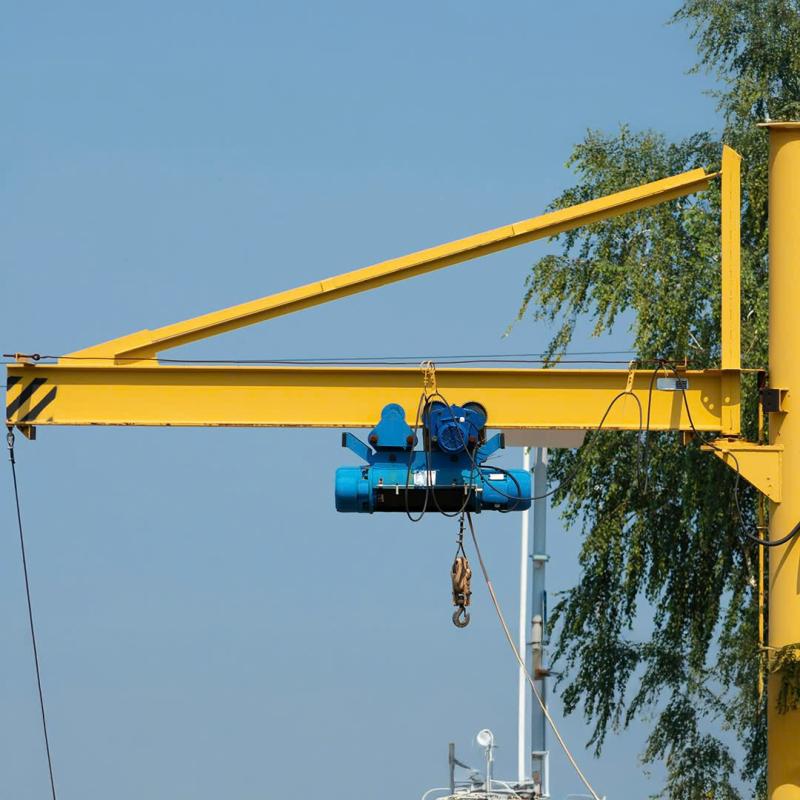
Routine preventive maintenance significantly reduces the occurrence of common crane issues:
Regular Inspections:
Inspect your AGC-1000 crane at regular intervals (daily visual checks, weekly thorough inspections).
Lubrication:
Lubricate wheels, height adjustment mechanisms, hoist cables, and moving parts regularly as specified in the Aardwolf maintenance manual.
Operator Training:
Ensure operators receive proper training in Aardwolf crane usage, safety procedures, and load handling practices.
Capacity Adherence:
Never exceed the marked 1,000 kg lifting capacity of the AGC-1000 to prevent damage and maintain safe operation.
When troubleshooting and repairing your Aardwolf gantry crane, it’s crucial to use genuine replacement parts specifically manufactured by Aardwolf:
Genuine parts ensure compatibility, reliability, and safety.
Using original parts maintains crane warranty coverage.
Aardwolf's parts are rigorously tested for quality assurance and optimal performance.
Efficient troubleshooting and maintenance of your Aardwolf gantry crane offer numerous benefits:
Reduced Downtime:
Quick diagnosis and repairs minimize production delays and maximize operational efficiency.
Enhanced Safety:
Identifying and fixing issues promptly helps prevent accidents and injuries in your workplace.
Increased Lifespan:
Routine inspections, maintenance, and timely repairs extend your crane's useful life significantly.
Cost Savings:
Proactive troubleshooting reduces expensive repairs, lowers maintenance costs, and improves return on investment.
Effective troubleshooting of your Aardwolf AGC-1000 Portable Gantry Crane is essential for maintaining maximum productivity, safe lifting operations, and optimal efficiency. By understanding specific issues such as caster wheel obstructions, height-adjustment difficulties, hoist motor malfunctions, and control system errors, you can quickly diagnose problems and implement precise, targeted solutions.
Regular preventive maintenance—including thorough inspections of components like the aluminum beam, trolley system, adjustable legs, and clearly marked 1,000 kg load limit—is crucial. Providing comprehensive operator training ensures correct crane usage, minimizing operational errors. Adhering strictly to Aardwolf’s recommended maintenance schedules and load capacity guidelines extends the crane’s service life, prevents costly repairs, and significantly improves overall workplace safety and operational effectiveness.
References
1. How to operate a Jib Crane safely
3. Over brace jib crane wall mounted
5. Is a Jib Crane a Gantry Crane
6. Articulated Jib Crane Wall Mounted
8. Manual Counterbalance Crane
10. Over Braced Jib Crane Column Mounted
Aardwolf의 신제품, 특별 할인 및 기타 정보를 받으려면 가입하세요.
가입하면 Aardwolf로부터 뉴스, 특별 할인, 프로모션 및 기타 정보를 이메일로 받는 데 동의하게 됩니다. 언제든지 구독을 취소할 수 있습니다.