











 뉴스
How Does a Gantry Crane Differ from an Overhead Crane?
뉴스
How Does a Gantry Crane Differ from an Overhead Crane?
언어 변경



우리를 팔로우하세요


 Share
Share
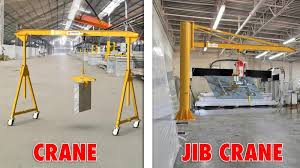
While they might appear similar, especially to those unfamiliar with crane technology, there are critical differences that significantly impact their suitability for specific tasks. In this article, we’ll explore precisely how a gantry crane differs from an overhead crane, diving deep into their structures, functionality, applications, and installation differences. Specifically, we’ll focus on Aardwolf’s innovative line of portable gantry cranes, such as the Aardwolf AGC-1000, to illustrate these differences clearly.
Before delving into the detailed differences, let’s briefly define each type of crane clearly:
Overhead Crane (Bridge Crane):
Overhead cranes, often called bridge or girder cranes, are permanently mounted lifting systems attached directly to the structure of a building. These cranes feature robust steel tracks installed onto building girders, providing immense lifting power ideal for heavy-duty operations. The bridge runs along these fixed rails, allowing precise horizontal movement.
Gantry Crane (Portable Crane):
Gantry cranes, by contrast, are self-contained, portable lifting devices featuring a horizontal beam supported by freestanding A-frame legs. Unlike overhead cranes, gantry cranes are not fixed to a building's structure, and many models, such as the Aardwolf AGC-1000 Portable Gantry Crane, feature castor wheels or adjustable supports, facilitating easy movement and versatile positioning.
Overhead cranes typically have a stationary design, comprising a fixed rail system securely attached to building girders. This permanent installation ensures stability, robustness, and an exceptional capacity to lift extremely heavy loads. The structure usually includes:
Fixed rails attached to building girders.
Bridge (horizontal beam) suspended across the rails.
A movable trolley and hoist mechanism that moves horizontally along the bridge beam.
Conversely, gantry cranes like the Aardwolf AGC-1000 possess a distinctively portable and self-contained design, featuring:
A horizontal beam (girder) supported by independent, freestanding A-frame legs.
Heavy-duty casters or wheels for easy mobility.
Height-adjustable legs that allow flexible lifting heights, as seen clearly with the Aardwolf AGC-1000.
The aluminum frame of the AGC-1000 enhances portability without compromising structural integrity, ideal for dynamic workplaces.
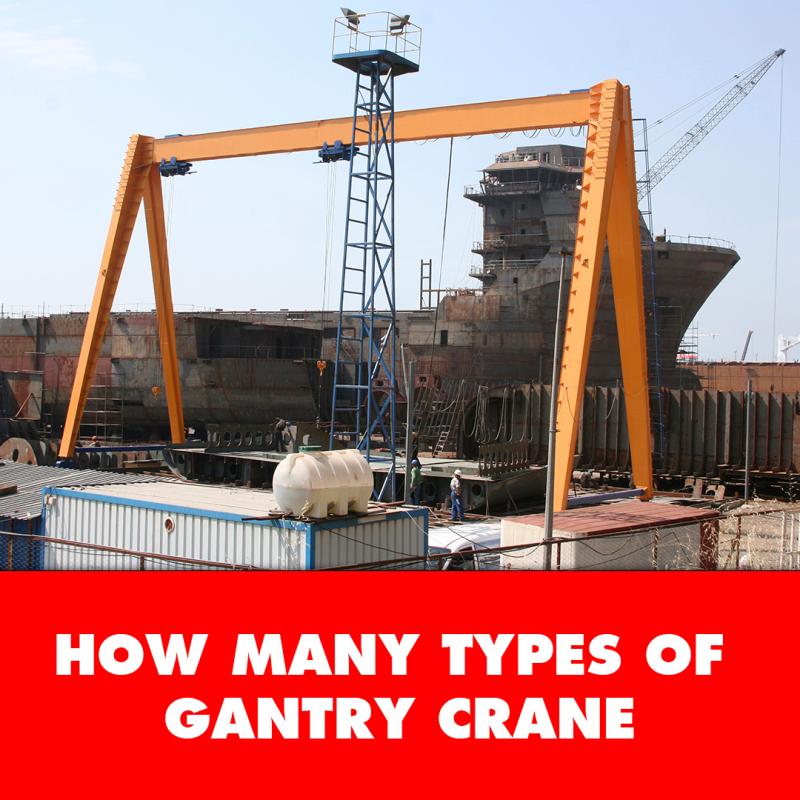
Installing an overhead crane involves significant structural planning, engineering assessments, and building modifications. Due to its permanent attachment to the building’s support structure, overhead crane installation can be complex, costly, and time-consuming.
You’ll require:
Structural assessments by engineers.
Reinforced girders capable of supporting heavy loads.
Extensive professional installation time and effort.
In sharp contrast, gantry cranes, particularly those designed by Aardwolf, are specifically engineered for ease of assembly and portability:
No permanent modifications or installation into building structure.
The Aardwolf AGC-1000 Portable Gantry Crane can be assembled quickly by one or two operators, significantly reducing downtime and installation costs.
Adjustable height achieved via hand-wind handles or battery-powered drills, ensuring rapid setup for varying lifting requirements.
Due to their permanent, fixed-track design, overhead cranes offer minimal mobility. They are limited to a specific area of operation, making them ideal only when continuous repetitive lifting within the same workspace is required.
Gantry cranes, especially portable models like the Aardwolf AGC-1000, excel in mobility and flexibility. Their casters enable effortless movement across workshops, construction sites, factories, and warehouses. Operators can easily reposition the crane to different areas or entirely new job sites, ideal for contractors and businesses requiring mobility.
The Aardwolf portable gantry cranes are lightweight yet robust, making relocation swift and safe without specialized equipment.
Overhead cranes are renowned for their immense lifting capacity. Due to structural reinforcement within the building itself, overhead cranes routinely handle heavy, bulky, and awkwardly shaped loads, offering maximum lifting power that is unmatched by smaller portable systems.
Although typically offering less capacity than heavy-duty overhead cranes, Aardwolf gantry cranes provide significant load-bearing capacity suitable for most industrial applications. For instance, the Aardwolf AGC-1000 Portable Gantry Crane comfortably supports loads up to 1,000 kg (2,204 lbs), suitable for most fabrication, stone handling, and manufacturing applications.
This makes Aardwolf cranes highly valuable in scenarios where a balance of portability and reliable lifting power is essential, such as:
Stone fabrication workshops.
Glass handling facilities.
Maintenance and repair tasks.
Construction and building sites.
Due to their substantial structural demands, installation complexity, and high load capacities, overhead cranes are usually costlier investments. They are ideal for large-scale, heavy-duty, repetitive lifting tasks where long-term infrastructure investment is justified.
Aardwolf portable gantry cranes are notably more economical, particularly appealing to businesses requiring flexibility without substantial investment. The affordability comes from minimal installation costs, reduced maintenance requirements, and the lack of building modifications. This is particularly advantageous for small-to-medium businesses, temporary sites, or varied, low-to-medium volume lifting tasks.
Heavy manufacturing plants.
Steel fabrication.
Large-scale construction.
Shipyards and ports.
Stone slab lifting and positioning: The AGC-1000 paired with Aardwolf’s slab lifters effortlessly handles marble, granite, and quartz slabs.
Glass installation: Utilized with specialized Aardwolf vacuum lifters, it safely moves fragile glass panels.
Industrial maintenance: Ideal for machinery repairs or installations, allowing flexible and precise positioning.
Construction sites: Excellent for temporary lifting applications, such as positioning HVAC units or structural beams.
Both crane types require operator training, inspections, and maintenance. However, gantry cranes like the Aardwolf AGC-1000 provide enhanced flexibility in operational safety:
Quick adjustments: Easy height adjustment via hand-wind handles or battery drills ensures operators can swiftly adapt to changing work environments.
Portable safety: Mobility means cranes can be repositioned to safe working areas, minimizing hazards related to overhead lifting in congested spaces.
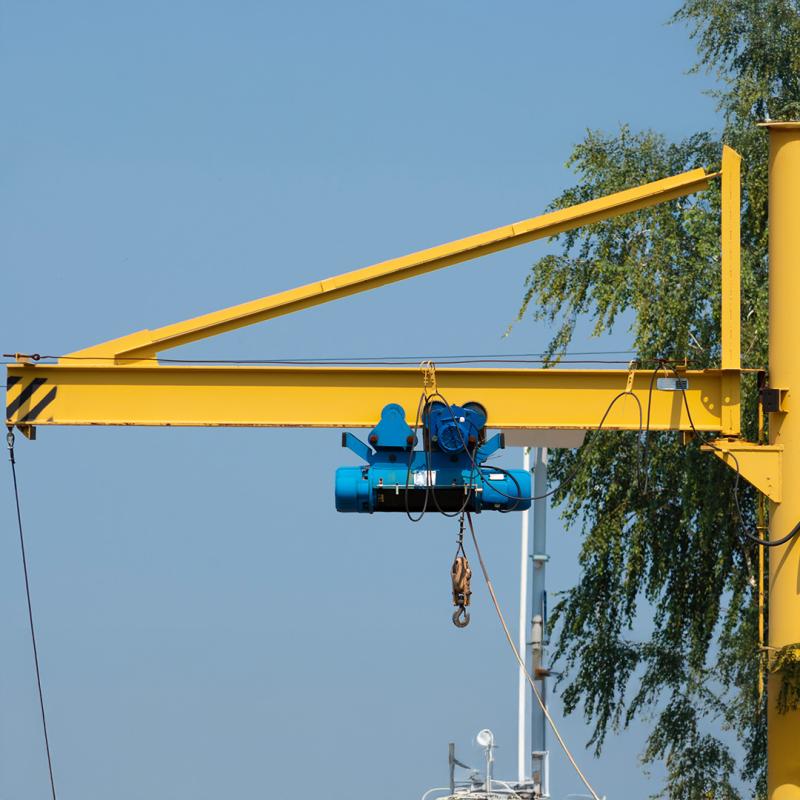


Aardwolf products stand apart due to their superior design, ease of use, robust construction, and competitive affordability. Key reasons to choose the AGC-1000 specifically include:
Premium lightweight aluminum design ensures strength, portability, and resistance to corrosion.
Height-adjustable legs allow maximum operational flexibility.
Easy assembly and disassembly reduces downtime and setup costs.
Economical investment ideal for businesses seeking cost-effective lifting solutions without sacrificing reliability or quality.
When deciding between a gantry crane and an overhead crane, it’s essential to consider your specific lifting requirements, operational environment, and budget.
Overhead cranes provide significant lifting power and are permanently installed within a building structure. They're ideal for large-scale, heavy-duty, and repetitive lifting tasks in fixed locations, such as shipyards, heavy manufacturing plants, or large construction facilities. However, these cranes involve substantial upfront investment, require professional installation, and lack mobility.
In contrast, gantry cranes, particularly the Aardwolf AGC-1000 Portable Gantry Crane, offer a highly flexible alternative. Designed specifically for businesses that need portability and adaptability, the AGC-1000 combines lightweight aluminum construction, simple height adjustment, and easy repositioning capability. It's especially beneficial in settings like stone fabrication shops, glass-handling facilities, industrial maintenance workshops, construction job sites, and temporary project locations.
Specifically, if your operational needs include:
Frequent repositioning and mobility: the AGC-1000’s caster wheels allow effortless relocation throughout your workspace.
Rapid height adjustments: using either the provided hand-wind handles or a battery-powered drill for varying lifting heights.
Affordability and ease of setup: minimal assembly and zero structural modifications make it highly cost-effective.
Moderate lifting capacity: safely supporting loads up to 1,000 kg (2,204 lbs), suitable for a broad range of applications.
Then the Aardwolf AGC-1000 Portable Gantry Crane is a highly practical, economical, and dependable choice that meets both current and future lifting needs, providing significant value to your operations.
References
1. How to operate a Jib Crane safely
3. Over brace jib crane wall mounted
5. Is a Jib Crane a Gantry Crane
6. Articulated Jib Crane Wall Mounted
8. Manual Counterbalance Crane
10. Over Braced Jib Crane Column Mounted
Aardwolf의 신제품, 특별 할인 및 기타 정보를 받으려면 가입하세요.
가입하면 Aardwolf로부터 뉴스, 특별 할인, 프로모션 및 기타 정보를 이메일로 받는 데 동의하게 됩니다. 언제든지 구독을 취소할 수 있습니다.