














 便り
Top Industrial Uses of Jib Cranes in Material Handling
便り
Top Industrial Uses of Jib Cranes in Material Handling
言語を変更する



フォローする


 Share
Share
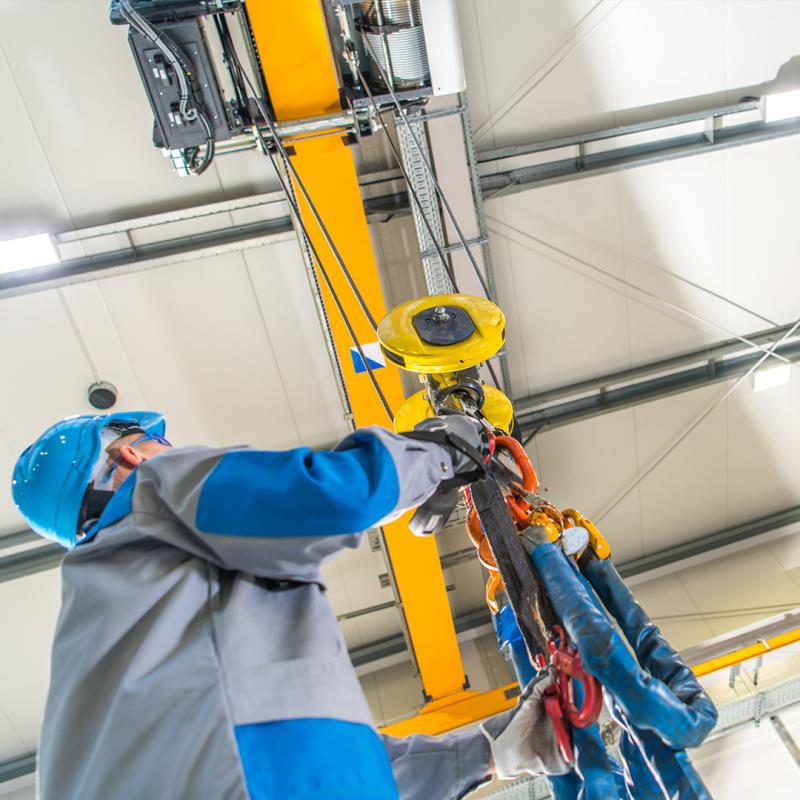
Among the most versatile lifting solutions available are jib cranes. Designed for localized lifting, jib cranes are widely used in a variety of industries to move, load, and position materials in a safe and streamlined manner.
This article explores the top industrial applications of jib cranes, the different types available, and how to select the right system for your facility. Whether you're working in manufacturing, logistics, construction, or maintenance, understanding the full capabilities of jib cranes can significantly enhance your material handling operations.
To view Aardwolf’s full range of Jib Cranes Types, visit their product overview page.
A jib crane consists of a horizontal arm (jib or boom) attached to a vertical support such as a wall, column, or freestanding mast. This arm supports a hoist or lifting mechanism, allowing materials to be moved along the arm’s length and rotated within a specified radius.
Jib cranes are ideal for repetitive lifting tasks in fixed work areas. They offer ergonomic load handling, reduce strain on workers, and integrate easily into existing production lines or workstations.
For foundational knowledge, explore this guide on the Difference between crane and jib cranes.
Jib cranes are commonly installed in manufacturing plants to support processes that require precise and repetitive lifting. Whether mounted at workstations or along assembly lines, they help move raw materials, parts, and finished goods with speed and accuracy.
Common uses include:
Recommended type:
In warehousing environments, jib cranes reduce reliance on forklifts for short-distance transfers. They help operators move heavy items efficiently and safely within designated areas.
Typical applications:
Recommended type:
Precision and control are critical in metal fabrication, and jib cranes provide just that. They allow welders and machinists to handle heavy steel plates, tools, and jigs with minimal physical effort.
Use cases:
Recommended type:
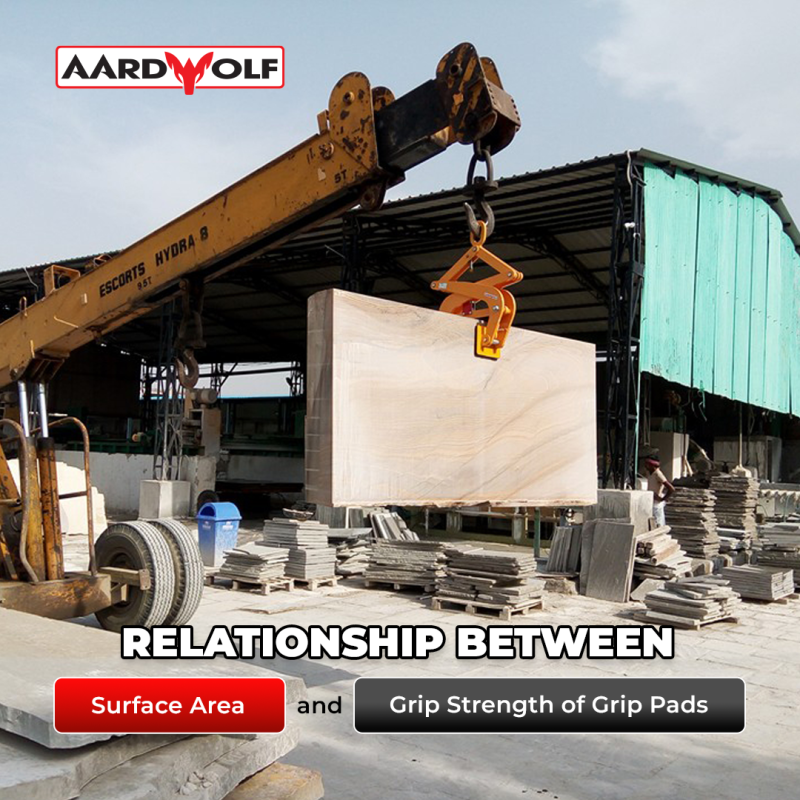
Outdoor material handling presents unique challenges. Freestanding and pillar mounted jib cranes offer robust lifting solutions for heavy, rugged loads such as stone slabs, steel beams, and prefabricated components.
Use cases:
Recommended type:
In maintenance bays and workshops, jib cranes are essential for lifting engines, transmissions, heavy tools, or replacement parts. Their compact design makes them perfect for use in confined repair zones.
Use cases:
Recommended type:
In sectors such as electronics, pharmaceutical, and food production, jib cranes help lift and position components in clean, contamination-controlled environments.
Use cases:
Recommended type:
| Jib Crane Type | Mounting Style | Best For | Rotation Range |
|---|---|---|---|
| Freestanding | Floor-mounted | Outdoor or large open areas | 360° |
| Wall Mounted | Wall/column | Compact workstations | 180° |
| Ceiling Mounted | Overhead beam | Cleanrooms and space-constrained zones | 180°–360° |
| Articulating | Wall/floor-mounted | Precision, around obstacles | Multi-angle |
| Pillar Mounted | Column/floor-mounted | Heavy-duty indoor/outdoor use | 360° |
For further guidance on choosing a model, check out The main role of Jib Cranes
Proper installation is crucial for safety and performance. Whether installing a freestanding, pillar, or wall mounted jib crane, the supporting structure must be capable of handling the dynamic and static loads of the crane under full operation.
Before installation:
For a step-by-step installation resource, visit How to use a jib crane
From warehouse logistics to fabrication bays and cleanrooms, jib cranes serve as indispensable tools in modern material handling. Their ability to perform localized lifting safely and efficiently makes them a cost-effective solution across a wide spectrum of industries.
By choosing the appropriate crane type—whether it be a freestanding jib crane for open-air lifting, a wall mounted model for tight workspaces, or an articulating jib crane for complex maneuvering—you ensure a smoother, safer, and more productive operation.
To explore detailed specifications and recommended use cases, visit Jib Cranes Types
References
1. How to operate a Jib Cranes safely
3. Over brace jib crane wall mounted
5. Is a Jib Crane a Gantry Crane
6. Articulated Jib Crane Wall Mounted
8. Manual Counterbalance Crane
10. Over Braced Jib Crane Column Mounted
Aardwolfの新製品、特別オファーなどの最新情報を受け取るにはご登録ください。
登録すると、Aardwolfからニュース、特別オファー、プロモーション、その他の情報を含むメールを受け取ることに同意したことになります。いつでも配信停止できます。