











 便り
The Impact of Ergonomic Material Handling Equipment on Worker Safety
便り
The Impact of Ergonomic Material Handling Equipment on Worker Safety
言語を変更する



フォローする


 Share
Share
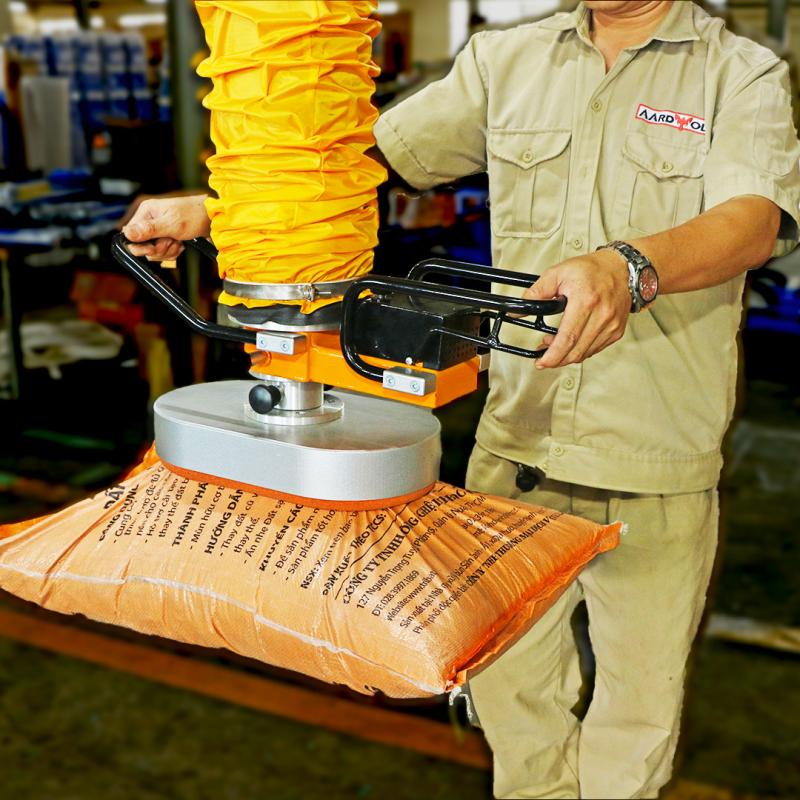
Ergonomic principles—tailoring machines to fit the physical capabilities and limitations of workers—are no longer optional. From reducing musculoskeletal injuries to boosting productivity and morale, ergonomics is integral to every piece of material-handling equipment.
One of the primary goals of ergonomic equipment design is to reduce the risk of workplace injuries. Traditional lifting equipment forces operators into awkward postures—excessive reaching, bending, or twisting—that strain the musculoskeletal system. By contrast, ergonomically optimized solutions:
Place controls within easy reach to maintain a neutral wrist and arm position
Offer adjustable heights and tilt functions to eliminate stooping or overextension
Integrate cushioned seats and padded grips to minimize vibration and pressure points
These features collectively mitigate the likelihood of sprains, strains, and chronic disorders such as carpal tunnel syndrome.
Comfortable workers perform tasks more quickly and accurately. Ergonomic design accelerates material flow by:
Reducing Cycle Time: Intuitive interfaces and optimized handle placement let operators complete pick-and-place actions in fewer motions.
Minimizing Fatigue: Adjustable platforms—such as those on a scissor lifter—allow workers to maintain ergonomic postures throughout long shifts.
Streamlining Maintenance: Easy-access panels and quick-release fittings cut downtime for routine inspections.
By improving task efficiency, ergonomics helps organizations achieve higher throughput without compromising safety.
When workers feel supported by their tools, job satisfaction soars. Features such as suspension seats on forklifts and anti-vibration handles on pallet jacks contribute to a positive work environment, reducing turnover and fostering a culture of care. Investing in human-centered design signals that a company values its people as much as its processes.
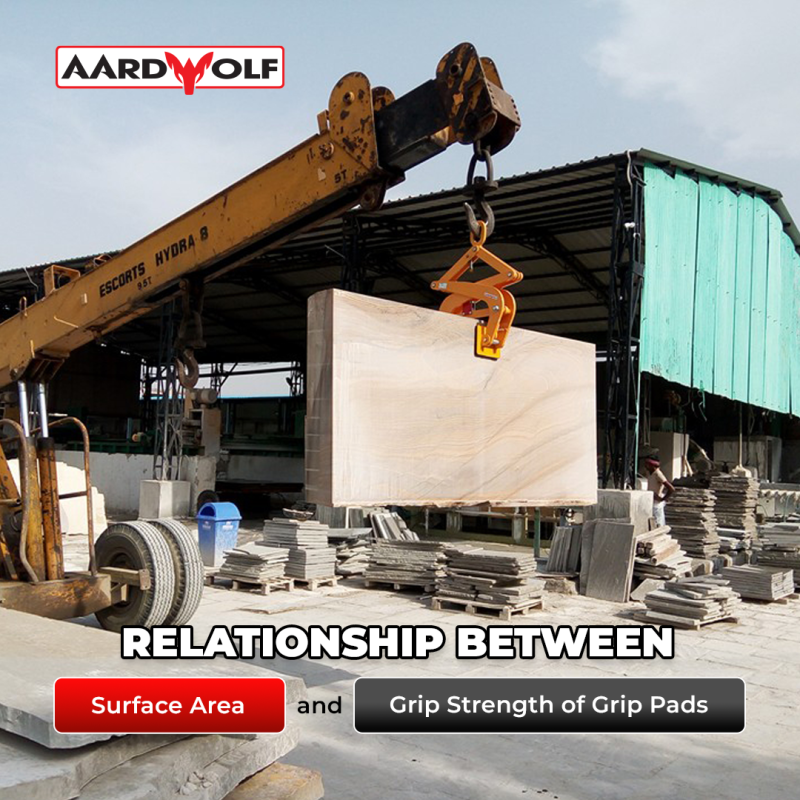
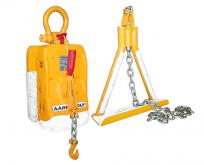
Lifting Clamp Variants: Selecting the right clamp ensures proper load balance and grip force. For guidance, see How to select a Lifting Clamp.
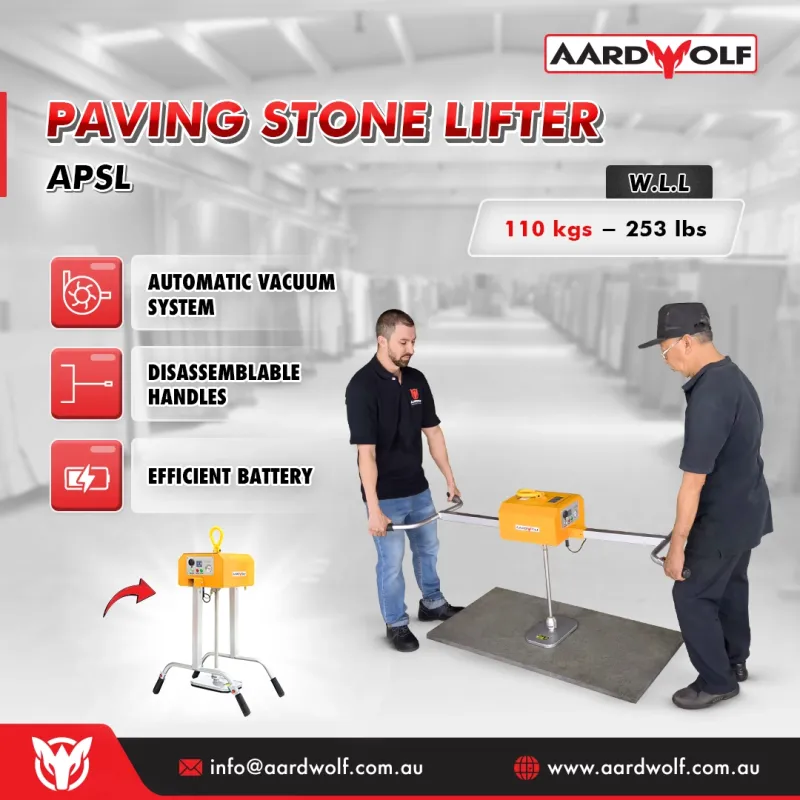
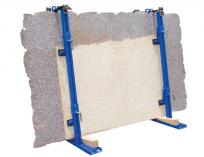
Vacuum Lifters & Slab Lifters: Smooth, non-porous surfaces (glass, polished stone) benefit from Electric Vacuum Lifter for efficient material handling systems that automate grip and release actions.
Ratchet Tie-Down Traps: Ergonomic tensioners with integrated reels reduce repetitive wrist action during load securing
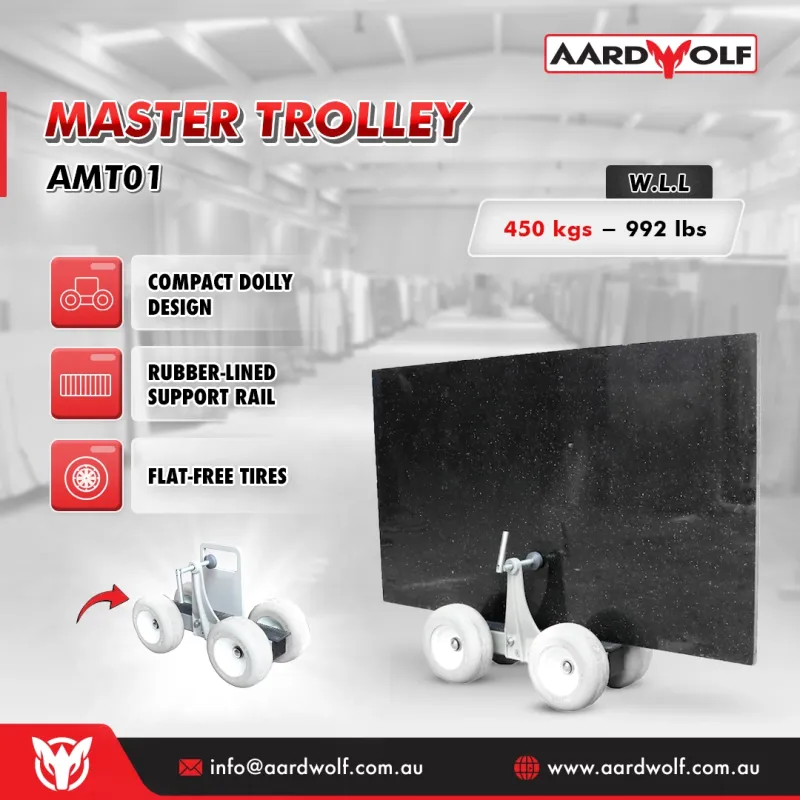
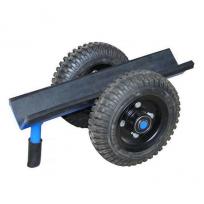
Material Handling Trolley designs with height-adjustable decks prevent bending and reaching: explore best practices in Material Handling Trolley.
Scissor Lifters with smooth-actuation cylinders accommodate precise positioning across a range of heights, reducing manual lifting.
Gantry Crane Solutions such as the portable gantry crane AGC-1000 bring heavy lifts down to ground level, limiting overhead work and associated strain.
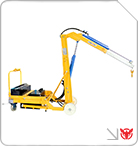
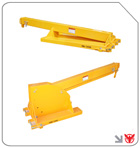
Jib Crane Selection: Ergonomic arm lengths and rotation aids make material positioning safer—see How to choose a jib crane for guidance.
Implementing ergonomics also calls for compliance with recognized frameworks. Familiarize your team with material handling standards to ensure every machine meets safety, performance, and documentation requirements.
Automated systems offload repetitive tasks from workers. For high-density operations, combining ergonomic lifts with Automated Storage and Retrieval Systems (AS/RS) delivers maximal safety and productivity.
In industries handling heavy kerb stones or granite slabs, ergonomic considerations extend to tooling and installation processes:
Kerb Stones Products: Proper clamp selection and handling procedures—outlined in What is the role of a stone fabricator—reduce manual strain.
Stone Fabrication Best Practices: Integrate ergonomic lifts during cutting and finishing stages; learn how to use a stone fabrication.
Granite Countertop Installations: Adjust height and tilt when placing countertops to minimize reaching—advice available in Granite Countertop Installations.
Task Analysis: Map each handling operation—lifting, pushing, pulling—and identify high-risk motions.
Workstation Layout: Position controls, display screens, and handles within the optimal “reach envelope” to avoid overextension.
User Trials: Pilot new equipment with actual operators, gathering feedback on comfort and usability.
Demonstrate correct body mechanics when using lifts, clamps, and cranes.
Reinforce regular micro-breaks and stretching exercises during long shifts.
Provide quick reference guides on ergonomic settings for height, tilt, and control sensitivity.
Key Metrics: Track injury rates, equipment utilization, and throughput before and after ergonomic upgrades.
Continuous Improvement: Use real-time data—e.g., from integrated WMS dashboards—to identify additional ergonomics adjustments.
For more on integrating equipment data with inventory systems, see Material Handling Equipment Integration with Warehouse Management Systems: Benefits & Challenges.
Reduced Medical Claims: Lower incidence of musculoskeletal injuries slashes workers’ compensation costs.
Enhanced Productivity: Studies show ergonomic improvements can boost output by up to 25%.
Higher Employee Retention: Comfort and safety improvements foster loyalty and reduce turnover expenses.
Ergonomic excellence is a mark of material handling industry leadership. Companies that proactively invest in worker-centered design stand out in bids and attract top talent.
Wearable Exoskeletons: Provide lift assistance while preserving operator agility.
Intelligent Grip Technologies: Adaptive handles that automatically adjust to hand size and tool weight.
Augmented Reality (AR) Training: Interactive simulations teach safe operating techniques in immersive environments.
By staying abreast of these innovations, material handling companies can maintain a competitive edge while safeguarding their greatest asset: their workforce.
Ergonomic design is no longer a luxury—it’s a necessity for safe, efficient, and sustainable material handling operations. From selecting the right Lifting Clamp and suction cups to integrating Gantry Crane solutions and Material Handling Trolley systems, every equipment choice must prioritize human factors. By aligning ergonomic best practices with industry standards and leveraging data-driven insights, organizations can dramatically improve worker safety, productivity, and overall operational excellence.
Reference
MHE–WMS integration best practices
HCO Innovations “The Impact of Ergonomics on Material Handling Equipment Design”
Aardwolfの新製品、特別オファーなどの最新情報を受け取るにはご登録ください。
登録すると、Aardwolfからニュース、特別オファー、プロモーション、その他の情報を含むメールを受け取ることに同意したことになります。いつでも配信停止できます。