











 便り
Material Handling & Automation Solutions
便り
Material Handling & Automation Solutions
言語を変更する



フォローする


 Share
Share
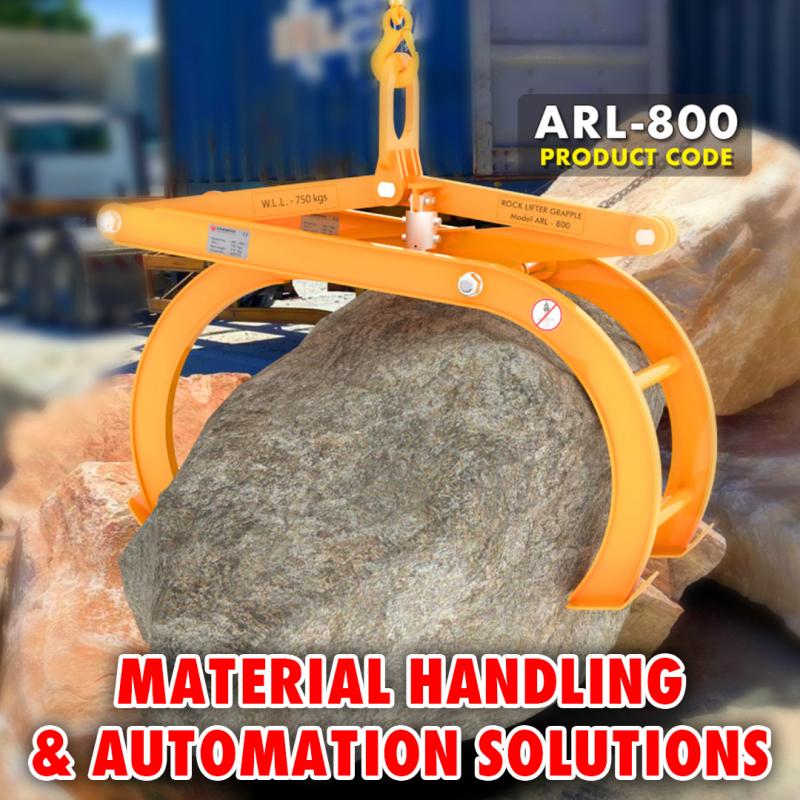
By integrating the right machines and systems, businesses can move, store, and protect goods with greater speed, safety, and accuracy—while cutting costs and boosting productivity. In this comprehensive guide, we’ll define material handling equipment, explore its main categories, highlight the benefits of automation, and show you how to select the best solutions for your operation.
Material handling equipment refers to the range of machines, tools, and systems used to move, store, control, and protect products throughout their lifecycle—from raw-material intake to finished-goods shipping. Effective handling ensures that inventory flows smoothly, damage is minimized, and resources are optimized.
Key aspects include:
Movement: Transporting loads between workstations, storage, and shipping areas.
Protection: Safeguarding goods against damage, dust, and environmental factors.
Storage: Maximizing space through racking, shelving, and compact automated systems.
Control: Tracking quantities, locations, and conditions in real time.
Within the material handling industry, deploying the right equipment—conveyors, cranes, lifters, and robotics—creates a seamless workflow that drives faster order fulfillment, better inventory accuracy, and higher throughput.
Material handling devices fall into four primary categories. Understanding each helps you tailor solutions to your facility’s unique needs.
This category moves materials between points on the shop floor or warehouse. Popular options include:
Conveyors: Belt, roller, and chain conveyors deliver continuous, fixed-path movement for cartons, totes, or bulk materials.
Industrial Trucks: Pallet jacks, hand trucks, and forklifts navigate flexible routes to lift and carry loads across wide areas.
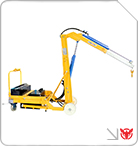
Cranes: Bridge cranes, jib cranes, and gantry cranes handle heavy or oversized loads. For mobile overhead lifting without permanent rails, consider gantry cranes material-handling .
These systems eliminate manual carrying, reduce handling time, and improve safety.
Positioning devices accurately place goods for processing, inspection, or assembly. Common examples:
Hoists & Balancers: Manual chain hoists, electric hoists, and air balancers lift and hold items at precise heights.
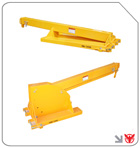
Jib Cranes: Mounted on columns or walls, jib cranes wall-mounted deliver 360° rotation in tight spaces, ideal for small workstations.
Manipulators & Robots: Industrial arms and cobots automate repetitive tasks like welding, palletizing, and machine tending—boosting throughput and consistency.
By automating precise placement, you minimize product damage and speed up downstream operations.
Unit load devices consolidate individual items into single handling units, streamlining transport and storage:
Pallets & Slip-Sheets: Standardized platforms for stacking goods securely under forklifts or conveyors.
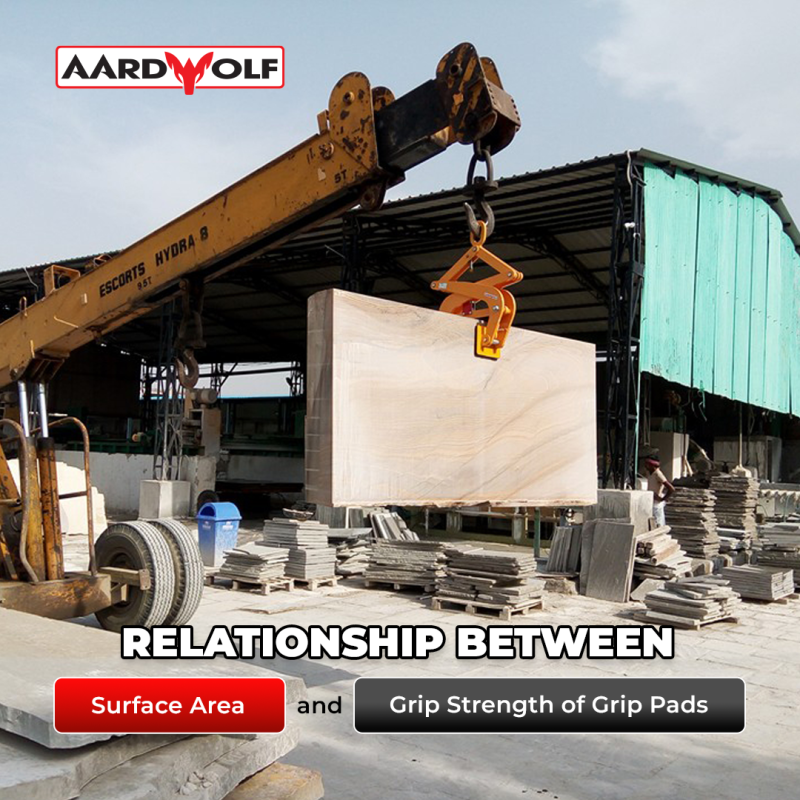
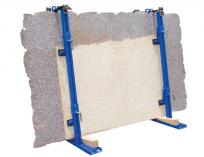
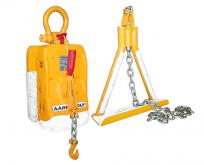
Lifting Clamps: Attach directly to materials—steel beams, concrete panels, or stone slabs—for secure vertical lifts. Aardwolf offers rugged scissor lifter products and slab lifter options, which automatically lock under load and adapt to thickness variations.
Unit load formation reduces handling steps, protects product integrity, and accelerates material flow.
Proper storage keeps inventory organized, safe, and accessible:
Selective & High-Density Racking: From single-deep racks to double-deep and drive-in systems, racking accommodates various load sizes and rotations.
Automated Storage & Retrieval Systems (ASRS): Computer-guided cranes or shuttles retrieve goods from narrow aisles and tall racks, maximizing vertical space.
Vertical Lift Modules & Carousels: Enclosed, rotating storage units pull items to ergonomic pick windows—combining density with speed.
Optimized storage solutions cut aisle width, increase capacity, and reduce picking times.
Moving beyond manual and semi-mechanical methods, automation delivers transformative advantages:
24/7 Operation: Automated conveyors, AGVs, and ASRS work around the clock without breaks or shift changes.
Optimized Routing: Software-driven systems calculate the fastest, least-congested paths, slashing travel times.
Error Reduction: Barcode scanners, RFID, and vision systems ensure each unit is tracked correctly.
Real-Time Visibility: Integrated Warehouse Management Systems sync data from all automated processes—eliminating stock discrepancies.
Reduced Manual Lifting: Equipment like scissor lifters and vacuum lifter unit handle bulky or delicate loads, cutting workplace injuries.
Advanced Safeguards: Collision avoidance, emergency stops, and safety interlocks protect people and assets.
Labor Savings: While initial CAPEX is higher, long-term reductions in wages, overtime, and turnover pay dividends.
Damage Minimization: Precise handling with clamps, traps, and lifters reduces breakage and return costs.
Modular Expansion: Start with conveyors or a single ASRS shuttle, then add robots, lifts, or AGVs as volumes grow.
Adaptive Software: Reconfigure workflows swiftly to support new SKUs, peak seasons, or layout changes.
High-Density Solutions: Automated systems fit more inventory into the same footprint, reclaiming critical floor space.
Flexible Footprints: Compact lifters and portable cranes adapt to evolving operational needs.
Energy-Regenerative Drives: Modern conveyors and AGVs recover braking energy, lowering power consumption.
Material Waste Reduction: Gentle handling with automated lifters and secure ratchet tie down traps reduces scrap and packaging waste.
To build a high-performance automated facility, consider these core components:
Belt, Roller, & Chain Conveyors: Link picking zones, packing lines, and shipping docks for uninterrupted flow.
Mini-Load & Pallet ASRS: Retrieve cases or pallets automatically from dense racking—minimizing aisle width and maximizing storage.
AGVs & AMRs: Transport pallets, carts, or racks along dynamic routes—eliminating manual push or drive tasks.
Robotic Arms: Pick, pack, and palletize with high speed and precision, reducing reliance on seasonal labor.
For heavy-duty lifting across the shop floor, deploy gantry crane material handling systems and stand-alone jib cranes.
Integrate vertical lifts and jib cranes wall-mounted units for localized, precise lifting in tight spaces.
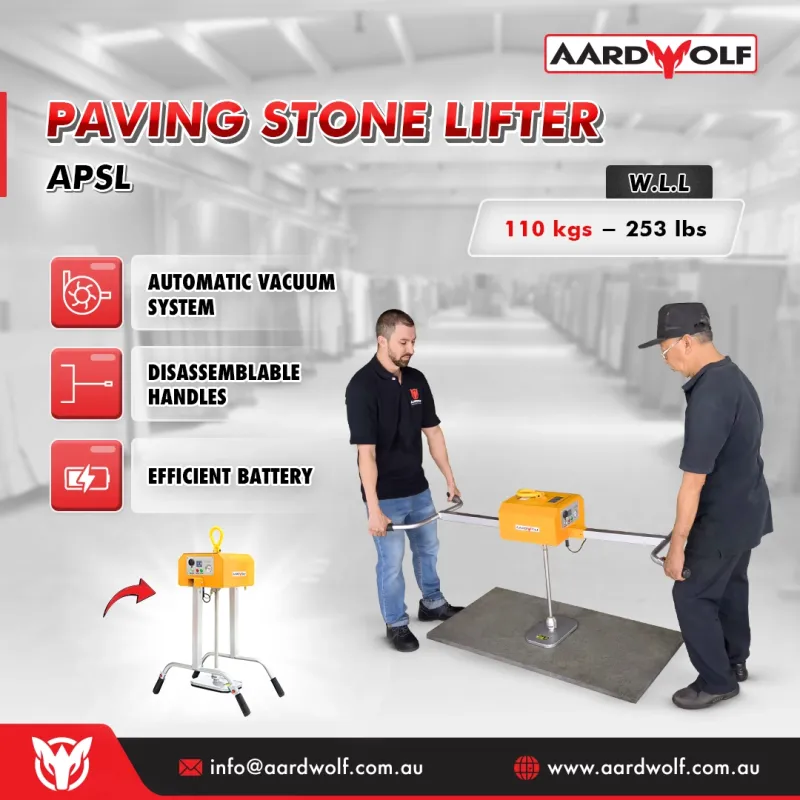
Vacuum Lifters: Ideal for glass, stone, and sheet metal—reducing handling damage and speeding placement.
Scissor Lifters: Raise heavy loads to ergonomic heights for picking or machine loading.
Clamps & Traps: Secure materials with scissor lifting clamps, slab lifting clamps, and heavy-duty strap systems to prevent slippage.
Strengthen cargo stability with premium heavy duty ratchet straps.
Selecting optimal solutions involves a strategic approach:
Analyze Material Types & Throughput
Weigh, size, and fragility of goods dictate clamp type, conveyor speed, and storage density.
Map Process Flow
Identify transport routes, pick zones, and potential bottlenecks; optimize equipment placement accordingly.
Calculate ROI & TCO
Factor in labor savings, damage reduction, energy use, and maintenance costs over equipment lifespan.
Engage Expert Partners
Collaborate with leading material handling companies for system design, integration, and ongoing support.
Train & Empower Staff
Provide hands-on training for operators and maintenance teams—ensuring safe, efficient use.
Monitor & Iterate
Use data from sensors and WMS dashboards to track KPIs—cycle times, error rates, and uptime—and refine system configurations.
For guidance on building an integrated system, explore our material-handling insights.
Integrating material handling equipment with advanced automation is no longer optional—it’s essential for staying competitive in today's fast-paced material handling industry. From conveyors and cranes to robotic arms and vacuum lifters, the right blend of machines and systems delivers unparalleled safety, speed, and scalability. By following best practices—mapping workflows, partnering with experts, and leveraging data-driven optimization—you can transform your operation into a lean, agile, and highly productive powerhouse. Start your automation journey today and position your business for sustained growth and success.
Aardwolfの新製品、特別オファーなどの最新情報を受け取るにはご登録ください。
登録すると、Aardwolfからニュース、特別オファー、プロモーション、その他の情報を含むメールを受け取ることに同意したことになります。いつでも配信停止できます。