











 便り
Key Considerations When Choosing Material Handling Companies
便り
Key Considerations When Choosing Material Handling Companies
言語を変更する



フォローする


 Share
Share
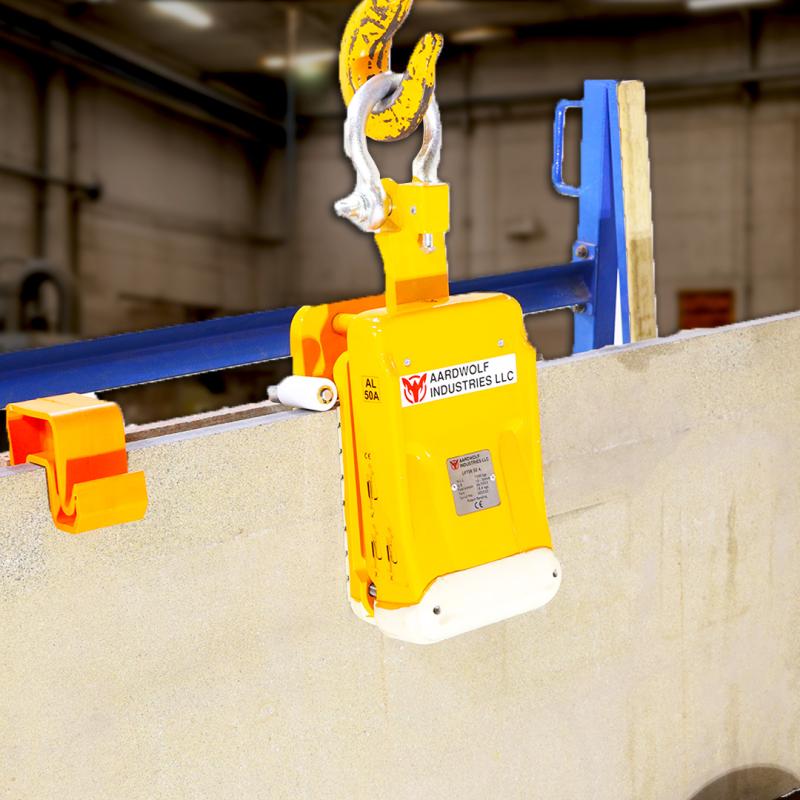
Whether you oversee a mining operation, a stone fabrication shop, or a growing warehouse, partnering with an experienced material handling company ensures you have access to the best material handling equipment, expert support, and scalable solutions. This guide dives deep into the essential factors to evaluate—spanning your unique requirements, vendor expertise, equipment capabilities, cost considerations, and emerging trends—to help you make an informed, future‐proof decision.
Before evaluating potential suppliers, conduct a thorough self‐assessment of your current and anticipated needs. A clear picture of your operational context ensures you select solutions that truly align with your workflows.
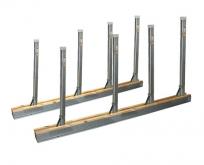
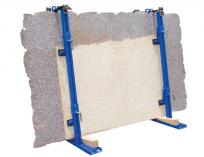
Solids, Liquids, or Bulk: Different materials demand tailored equipment. For fragile stone panels and granite countertop slabs, consider specialized attachments like a Transport frame for warehouse.
Weight and Dimensions: Record your heaviest loads. A vacuum lifter slab lifter excels at moving non‐porous slabs safely, while a scissor lifter secures bundles of tile or wood.
Shape and Fragility: Irregular or delicate items may require suction cups for precision gripping—learn more about choosing the right suction cup.
Space Constraints: Measure aisle widths and clearances for forklifts, cranes, and hoists.
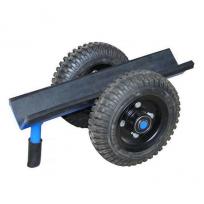
Flooring & Terrain: Rough concrete or uneven terrain might call for pneumatic‐tired trolleys instead of standard casters. Evaluate options by Selecting Material Handling Trolley.
Temperature and Humidity: Cold or humid environments require corrosion‐resistant coatings and low‐temperature‐rated batteries.
Throughput Volumes: High‐volume operations benefit from semi‐automated conveyors and gantry crane material handling systems. Explore proven Gantry Crane methods.
Seasonal vs. Year‐Round: Renting extra ratchet tie down traps for peak seasons can be more cost‐effective than full purchases.
Growth Projections: Aim for modular solutions—mobile gantry cranes and portable conveyors—that can expand with you.
Basic vs. Advanced: Do you need RFID‐enabled forklift attachments or full warehouse‐management integration?
Flexibility: Software‐defined controls on conveyors, hoists, and jib cranes let you reprogram workflows without hardware swaps. Discover adaptable jib crane methods.
Choosing a vendor with deep domain knowledge and a strong track record mitigates risk and ensures your investments pay off.
Years in Business: Prioritize companies with a decade or more of proven performance.
Relevant Projects: Look for case studies addressing challenges similar to yours—whether in mining, stone fabrication, or general warehousing.
Certifications: ISO 9001, OSHA compliance, and equipment‐specific accreditations indicate commitment to quality and safety.
Industry Recognition: Awards in the material handling industry reflect innovation and peer validation.
Diverse Portfolios: A vendor serving e-commerce, manufacturing, and stone‐fabrication sectors demonstrates adaptability.
References: Speak with past clients about delivery timeliness, support responsiveness, and issue resolution.
A comprehensive equipment portfolio allows you to address both everyday tasks and specialized needs.
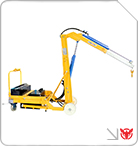
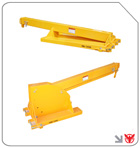
Forklifts & Boom Attachments: Beyond standard forklifts, extensions like forklift boom methods handle long loads—pipes, beams, and kerb stones—safely.
Gantry Cranes: Mobile and modular overhead systems boost capacity without permanent runway installation. Review Gantry Crane methods for best practices.
Jib Cranes: Floor- or wall-mounted jib cranes deliver point-of-use lifting. Improve reach and control with proven jib crane methods.
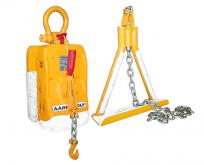
Lifting Clamps: Essential for steel coils, slab inversion, and concrete blocks—explore various Lifting Clamps.
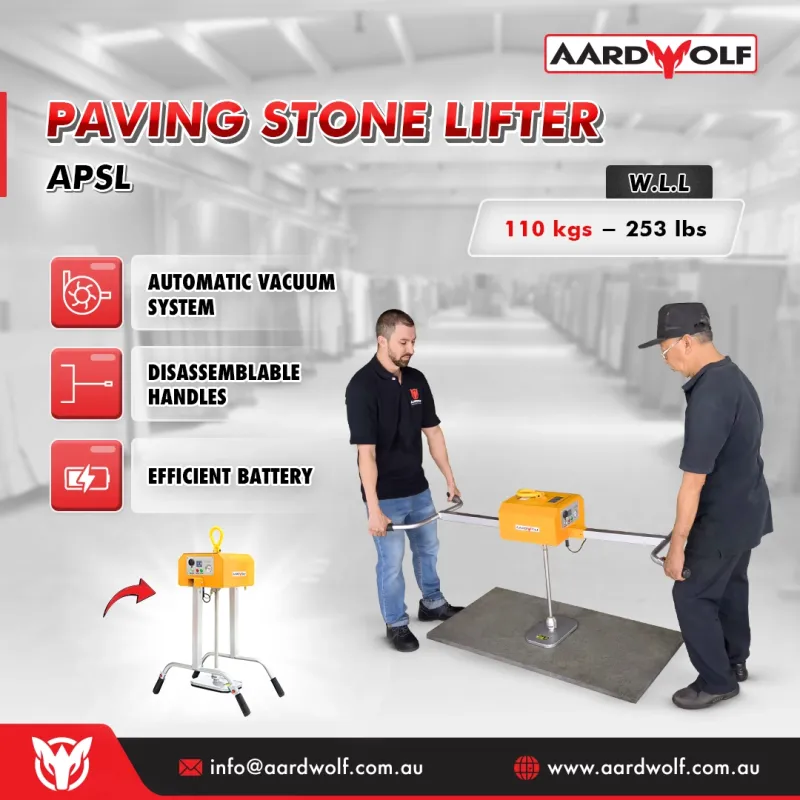
Vacuum Lifters & Slab Lifters: Achieve single‐operator handling of non-porous slabs with vacuum lifter slab lifter systems.
Scissor Lifters: Secure irregular or bundled goods with efficient coupling and release.
Ratchet Tie Down Traps: Keep loads stable during transport, minimizing damage and downtime.
Point-of-Use Storage: Deploy multi-tier carts to bring tools and parts directly to the line.
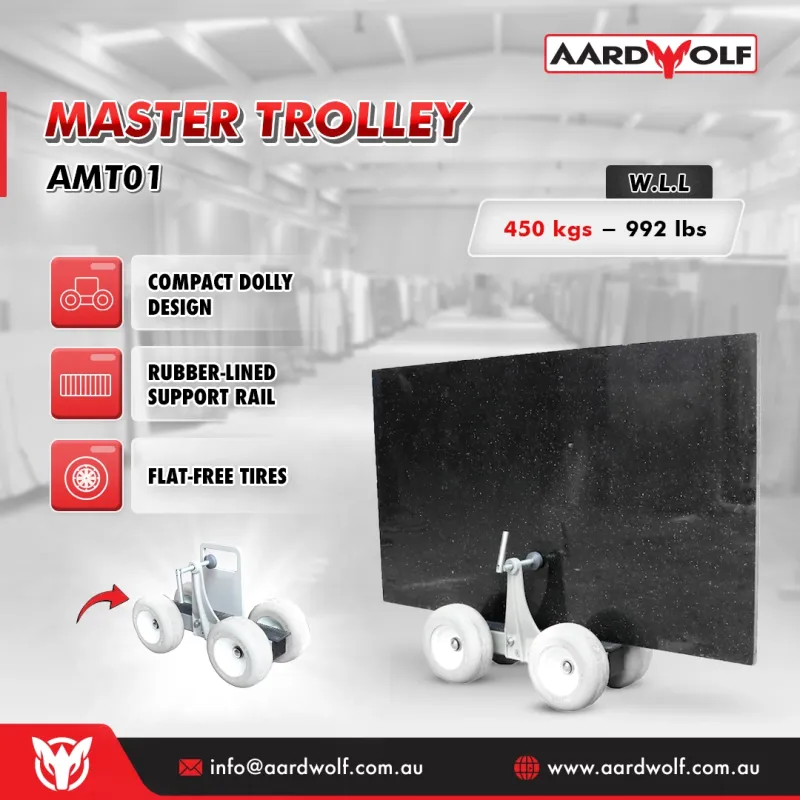
Flatbed Trolleys: Move mixed loads without engaging a forklift. For guidance, see Selecting Material Handling Trolley.
Transport Frames: Heavy slabs—stone, metal, glass—require secure frames; consider the Transport frame for warehouse.
Forklift Booms: Extend the versatility of your fleet with forklift boom methods, ideal for long or awkward loads.
Beyond sticker price, factor in the total cost of ownership and the vendor’s commitment to your success.
Up-Front vs. Lifecycle Costs: Balance initial investment with expected maintenance and energy consumption.
Cost-Saving Resources: Review strategies from Budget-Friendly Material Handling Strategies for Growing Warehouses.
Preventive Maintenance Plans: Regular inspections and tune-ups extend equipment life and avoid unplanned downtime.
Parts Availability: Fast access to common wear items—casters, bearings, hydraulic seals—keeps you moving.
Operator Training: Proper instruction on lifting equipment—from pallet jacks to cranes—reduces incident rates.
Regulatory Guidance: A proactive vendor helps you meet OSHA, ANSI, and local safety standards.
Stay ahead of the curve by selecting partners who invest in innovation and sustainability.
Automation Light: Incremental upgrades—barcode scanning, PLC controls, semi-automated conveyors—deliver rapid ROI. Learn more about Industrial Material Handling Trends.
Data-Driven Insights: Sensor-equipped equipment feeds utilization and maintenance data into analytics platforms. Explore The Efficiency of Material Handling.
Electric and Regenerative Drives: Hybrid forklifts and regenerative hoist systems cut energy costs and emissions.
Eco-Friendly Materials: Reusable totes, recyclable packaging, and solar-powered controls support ESG goals.
Stone Kerbs and Fabrication: Coordinate with a comprehensive stone fabrication partner to streamline slab storage, cutting, and transport.
Granite Countertop Logistics: Optimize workflows using best practices for Granite Countertop selection and installation.
Countertop Fabricator Integration: Understand Countertop Fabricators Performance to align handling solutions with fabrication processes.
Maintenance and Upkeep: Extend service life through smart Countertop Maintenance Solutions, ensuring customer satisfaction.
Define Your Baseline Metrics
Throughput rates, equipment utilization, damage incidents, and maintenance costs.
Prioritize Requirements
Safety, throughput, flexibility, and budget—rank these to guide RFP criteria.
Issue a Detailed RFP
Include your load profiles, layout drawings, industry-specific challenges, and integration needs.
Score Vendor Proposals
Evaluate on expertise, solution breadth, cost transparency, and support offerings.
Pilot Critical Solutions
Test key equipment—like a gantry crane or vacuum lifter—in a controlled environment.
Analyze Pilot Results
Measure improvements in cycle time, safety incidents, and maintenance tickets.
Scale with Continuous Improvement
Roll out successful pilots facility-wide and schedule quarterly reviews to adapt to evolving demands.
Choosing the right material handling company is a strategic investment in your operation’s future. By thoroughly evaluating your unique requirements, scrutinizing vendor expertise, assessing comprehensive equipment offerings, and anticipating industry trends, you can forge a partnership that drives efficiency, safety, and sustainable growth. Equip your facility with best-in-class lifting equipment, from scissor lifter clamps to gantry crane material handling systems, and watch your productivity soar.
For more insights on cost-effective handling strategies, explore Budget-Friendly Material Handling Strategies for Growing Warehouses.
Aardwolfの新製品、特別オファーなどの最新情報を受け取るにはご登録ください。
登録すると、Aardwolfからニュース、特別オファー、プロモーション、その他の情報を含むメールを受け取ることに同意したことになります。いつでも配信停止できます。