












 便り
How to Train Staff on Proper Use of Scissor Lifters and Slab Lifters
便り
How to Train Staff on Proper Use of Scissor Lifters and Slab Lifters
言語を変更する



フォローする


 Share
Share

Effective material handling hinges not only on having the right material-handling equipments, but also on ensuring your team is fully trained to use it safely and efficiently. By combining hands‑on instruction with ergonomic principles and safety protocols, material handling companies can minimize accidents, protect valuable loads, and optimize warehouse workflows.
Untrained or under‑trained operators dramatically increase the risk of workplace injuries. Improper use of scissor clamp lifters or slab lifting automatic devices can lead to:
Crush Injuries: Pinch points in scissor mechanisms can trap hands or feet.
Load Shifts: Inadequately secured slabs may slip, causing harm and damage.
Ergonomic Strain: Repetitive misuse leads to musculoskeletal disorders.
Robust training programs protect both employees and employers from costly workers’ compensation claims and downtime.
High‑value assets like the vacuum lifter for glass or overhead gantry crane attachments can be damaged if mishandled. Proper instruction ensures:
Optimal Equipment Lifespan: Correct operation prevents undue wear on hydraulic cylinders, rollers, and pump systems.
Reduced Product Damage: Gentle handling of fragile panels and heavy stone slabs avoids costly scrapping or rework.
Consistent Throughput: Well‑trained operators work faster and more accurately, boosting overall productivity.
Crafting an effective training program involves structured modules, clear objectives, and a mix of theoretical and practical learning.
Begin by evaluating current competencies and identifying gaps:
Survey Existing Staff: What is their experience with scissor lifters, slab lifters, and other material handling equipment
Incident Review: Analyze past accidents or near‑misses involving lifting clamp devices, slab lifting automatic tools, or ratchet tie down straps.
Equipment Inventory: Catalog the models and capacities in use—e.g., scissor clamp lifter, slab lifting automatic devices.
Use these insights to prioritize training topics and allocate resources effectively.
Define clear objectives for each training session:
Operating Principles: Understand hydraulic vs. mechanical lift mechanics.
Safety Protocols: Learn lockout/tagout procedures and proper use of heavy duty ratchet straps.
Load Assessment: Calculate load weight, center of gravity, and compatibility with devices like vacuum lifter or slab lifter.
Equipment Inspection: Pre‑shift checks for leaks, pad integrity, roller function, and control responsiveness.
Hands‑On Practice: Guided exercises in controlled environments before live operations.
A balanced curriculum combines classroom theory, video demonstrations, and interactive workshops.
Scissor Lifters: Overview of cross‑brace mechanics, hydraulic systems, and height range.
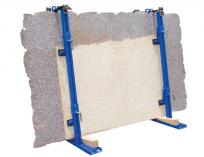
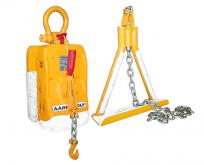
Slab Lifters: Introduction to multi‑point clamping, automated locks, and roller supports.
Overhead Systems: Basic operation of mounted jib crane and overhead gantry crane integration.
Hands‑On Activity: Disassemble a lifter control pendant, identify emergency stop features, and reassemble under instructor supervision.
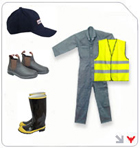
Personal Protective Equipment (PPE): Hard hats, steel‑toe boots, gloves, and eye protection.
Lockout/Tagout: Isolate power sources on hydraulic scissor lifters before maintenance.
Hazard Identification: Recognize pinch points, overhead hazards, and slip/trip risks.
Scenario Drills: Simulate a pad failure on a vacuum glass lifter and practice emergency lowering.
Assessing Load Profiles: Determine suitability of slab lifting automatic versus scissor lifter use.
Center of Gravity Calculations: Use load tables to ensure balance during lifts.
Securing Techniques: Proper application of heavy duty ratchet straps and edge protection.
Workshop: Trainees practice securing a mock slab on a roller conveyor using heavy duty ratchet straps, checking tension and anchor points.
Path Optimization: Minimize “deadhead” travel in tight aisles by coordinating scissor lifter stations and slab lift zones.
Equipment Zoning: Position the scissor clamp lifter equipment near packing lines, and designate slab lifter bays adjacent to stone processing areas.
Interoperability: Communicate signals between crane operators and floor teams using standardized hand signals or radios.
Simulation: Map a sample warehouse floor plan and assign equipment stations to minimize cross‑traffic and maximize throughput.
Nothing replaces real‑world practice. Under direct supervision:
Controlled Lifting Scenarios: Incrementally increase load weights from light panels to full-capacity slabs.
Emergency Response: Simulate power loss or pump failure, and execute safe lowering and lockout procedures.
Precision Placement: Challenge trainees to align loads within ±5 mm tolerance onto target pads or machine inlets.
Skills Checklist: Each trainee must demonstrate competence in key tasks before certification.
Written and Practical Exams: Combine multiple‑choice questions on safety rules with live operational tests.
Refresher Intervals: Annual or biannual recertification to maintain high safety standards.
Certified operators should carry visible proof of training and refresh their skills regularly.
Preventive Maintenance Programs: Partner with material handling companies to schedule service for slab lifters, scissor lifters, and crane attachments.
Refresher Workshops: Address changes in equipment models, new safety regulations, or updated handling procedures.
Incident Tracking: Log any handling mishaps to identify recurring patterns and training gaps.
Performance Metrics: Use KPIs like lift cycle time, load damage rates, and near‑miss reports to gauge training effectiveness.
Feedback Loops: Encourage operators to suggest workflow improvements or flag emerging issues with material handling equipment.
Continuous feedback ensures training remains relevant and aligned with evolving industry standards.
Training staff on the proper use of scissor lifters and slab lifters is a strategic investment in both safety and productivity. By developing a structured program—spanning equipment fundamentals, safety protocols, load planning, and hands‑on practice—material handling equipments teams can:
Minimize workplace injuries and equipment damage
Increase throughput and reduce cycle times
Optimize workflows within complex warehouse layouts
Ensure compliance with industry regulations and best practices
Leveraging specialized lifting solutions—from the vacuum glass lifter and slab lifting automatic devices systems to overhead gantry crane and mounted jib crane integrations—coupled with secure load restraint via heavy duty ratchet straps, positions material handling companies for success in the dynamic material handling industry. As equipment and workflows evolve, ongoing training and continuous improvement will keep your team—and your operations—ahead of the curve.
Aardwolfの新製品、特別オファーなどの最新情報を受け取るにはご登録ください。
登録すると、Aardwolfからニュース、特別オファー、プロモーション、その他の情報を含むメールを受け取ることに同意したことになります。いつでも配信停止できます。