














 便り
How to Operate a Gantry Crane?
便り
How to Operate a Gantry Crane?
言語を変更する



フォローする


 Share
Share
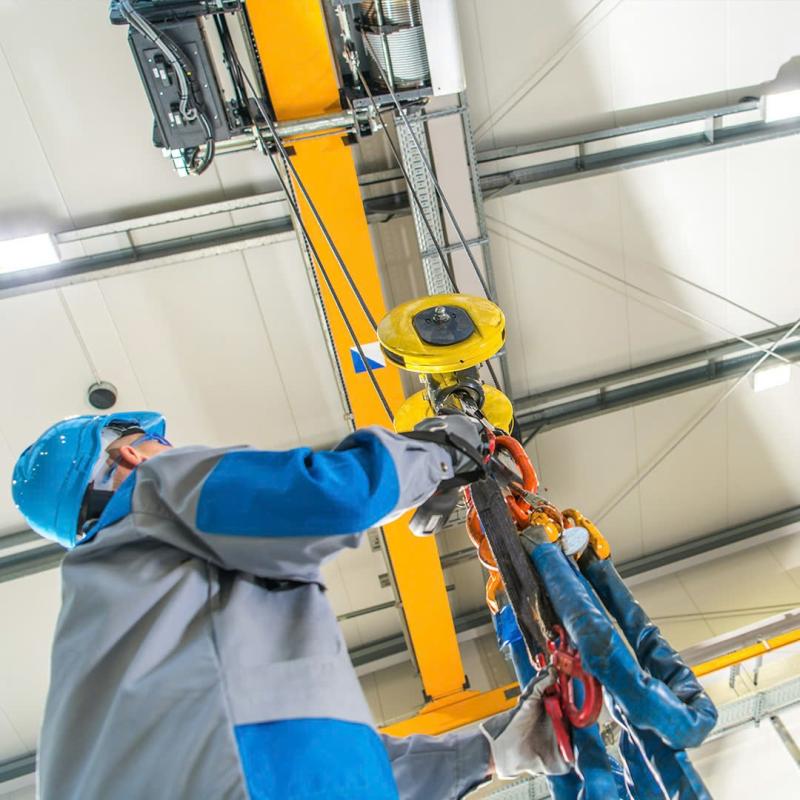
Gantry cranes are powerful lifting machines, and understanding their components, operation, and safety protocols is essential for optimal performance and workplace safety. In this article, we focus specifically on the renowned Aardwolf AGC-1000 Portable Gantry Crane, detailing clearly how to operate it, along with practical guidelines to enhance operational safety and efficiency.
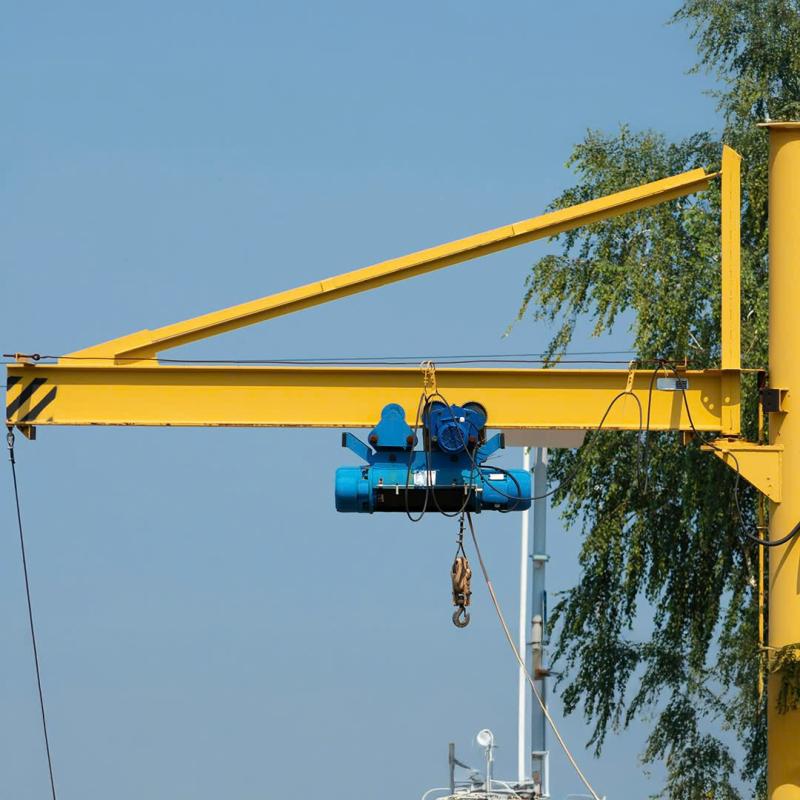
Before operating your Aardwolf gantry crane, familiarize yourself thoroughly with its key components:
The hoist is the central lifting mechanism, consisting of a lifting hook, chain or cable, and a motorized drum. On the Aardwolf AGC-1000, the hoist securely lifts loads of up to 1,000 kg (2,204 lbs), suitable for heavy-duty tasks in stone fabrication, glass handling, and construction applications.
Mounted on the horizontal beam (bridge), the trolley allows horizontal movement of the hoist and load. On Aardwolf cranes, this component moves smoothly along the beam, facilitating precise load positioning.
The bridge provides the structural backbone, supporting the trolley and hoist. The AGC-1000 features a lightweight yet robust aluminum beam, ensuring strength and durability without sacrificing mobility.
The end trucks fitted with heavy-duty swivel casters allow your Aardwolf crane to be easily moved. These casters offer superior mobility, enabling the crane to reposition quickly across your workspace.
The height-adjustable legs of the AGC-1000 offer versatility, adapting easily to various lifting heights required in different operations. Height adjustments are quickly performed using the provided hand-wind handles or battery-powered drills.
Aardwolf gantry cranes feature intuitive controls designed for precise crane operation. Operators can easily control lifting, lowering, and horizontal movements, ensuring smooth and safe operation.

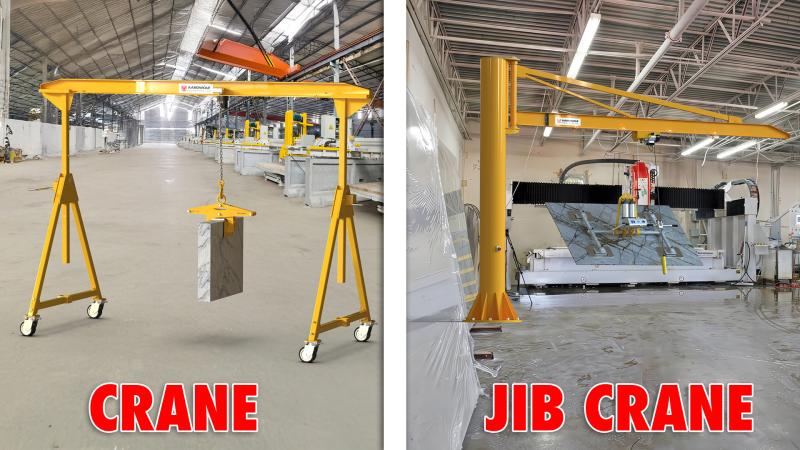
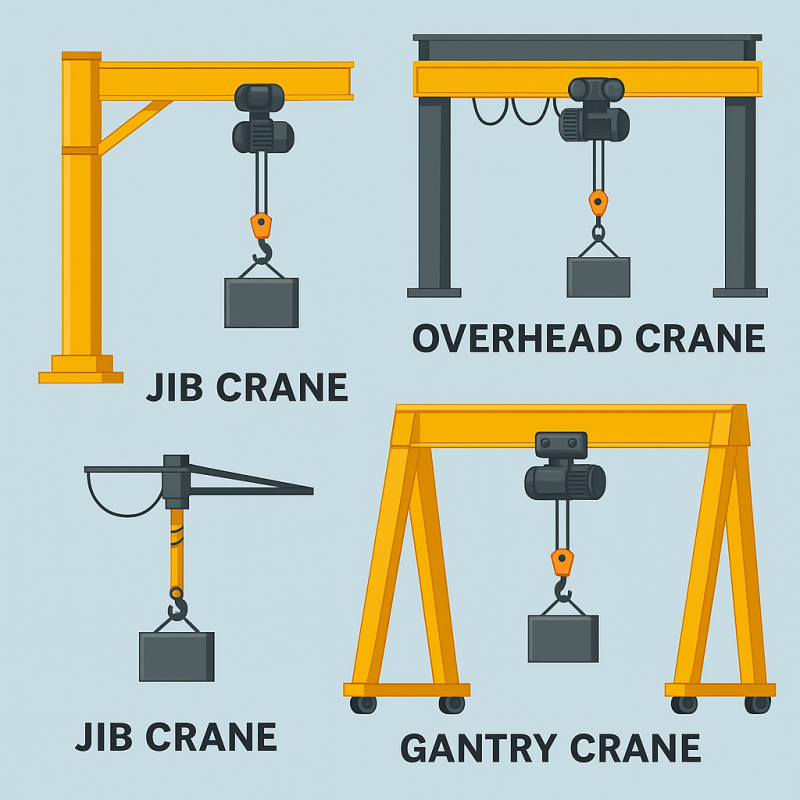

Follow these essential steps to safely and efficiently operate the Aardwolf AGC-1000 Portable Gantry Crane:
Before operating your crane, perform a thorough pre-operation check:
Inspect all crane components, including hoist, trolley, beam, legs, and casters for visible damage or wear.
Verify that rated load markings (1,000 kg) are clearly visible and legible on both sides of the crane beam.
Ensure wheels and brakes function correctly to guarantee stability during operation.
Confirm that height adjustment mechanisms operate smoothly and securely lock at desired heights.
Positioning the crane accurately is crucial to efficient operation:
Move the Aardwolf AGC-1000 into the desired location by manually pushing it, thanks to its smooth-rolling swivel casters.
Engage wheel brakes firmly once in position, stabilizing the crane before lifting operations begin.
Adjust the crane’s height if required, using provided hand-wind handles or battery-powered drills, ensuring the load path is unobstructed.
Proper load attachment is vital for safe crane operations:
Securely attach lifting accessories, such as an Aardwolf Vacuum Lifter, slab clamp, or hoist hook, to the load.
Inspect attachments to ensure the load is evenly balanced and secure.
Double-check that attachments and load do not exceed the crane’s maximum rated capacity of 1,000 kg.
Begin lifting with caution, using the following best practices:
Use the crane’s controls to slowly engage the hoist, lifting the load slightly off the ground to test stability and balance.
Confirm the load remains balanced and stable; if adjustments are needed, lower the load slightly and reposition it accordingly.
Gradually raise the load to the desired height using controlled movements, avoiding sudden jerks or rapid lifting.
Once lifted, move the load horizontally using the trolley system:
Guide the trolley along the bridge carefully, positioning the load directly above the desired placement location.
For movement across your workspace, release wheel brakes and carefully push the gantry crane, ensuring a smooth and controlled transfer.
Engage wheel brakes again once the crane reaches its new destination.
Lower the load carefully, adhering to these practices:
Slowly and gradually lower the load, using the crane’s precise controls, ensuring alignment with the placement area.
Carefully place the load in the designated location, ensuring it remains stable and secure upon landing.
Remove lifting attachments carefully from the load once it is stable and safely grounded.
After completing lifting tasks, perform essential post-operation steps:
Move the crane to a safe storage or designated parking area.
Ensure all controls are turned off, and the crane is left in a stable condition with wheel brakes engaged.
Conduct a quick visual inspection for signs of damage or wear from the operation, addressing any issues before subsequent use.
Safety must always be prioritized when operating cranes. Follow these critical guidelines:
Never exceed the clearly marked 1,000 kg load capacity of the Aardwolf AGC-1000.
Maintain safe clearance around the crane during lifting operations.
Never stand under or near suspended loads.
Always wear proper protective gear (PPE) during crane operations.
Conduct regular maintenance checks and inspections to ensure ongoing operational safety.
Clearly understanding how to operate your crane allows effective use across multiple applications:
Ideal for safely lifting granite, marble, or engineered stone slabs, paired with specialized Aardwolf slab clamps or vacuum lifters.
Incorporating Aardwolf vacuum lifters enables secure, precise handling of fragile glass panels, significantly reducing the risk of damage or injury.
Useful for positioning structural beams, machinery components, or HVAC units. Height-adjustable legs allow operations under varied conditions and workspace constraints.
Efficiently moves and positions heavy equipment, industrial parts, and bulk goods, optimizing workspace efficiency and safety.
Aardwolf products are designed specifically for safe, reliable, and efficient lifting:
Ease of Operation: Simple controls and clear operational instructions facilitate user-friendly handling.
Safety First: Clearly marked load limits and robust construction reduce accident risks and enhance operator safety.
Superior Mobility: Lightweight aluminum construction and caster wheels enable effortless repositioning.
Cost Efficiency: Minimal setup time, affordable pricing, and reduced maintenance requirements provide outstanding value.

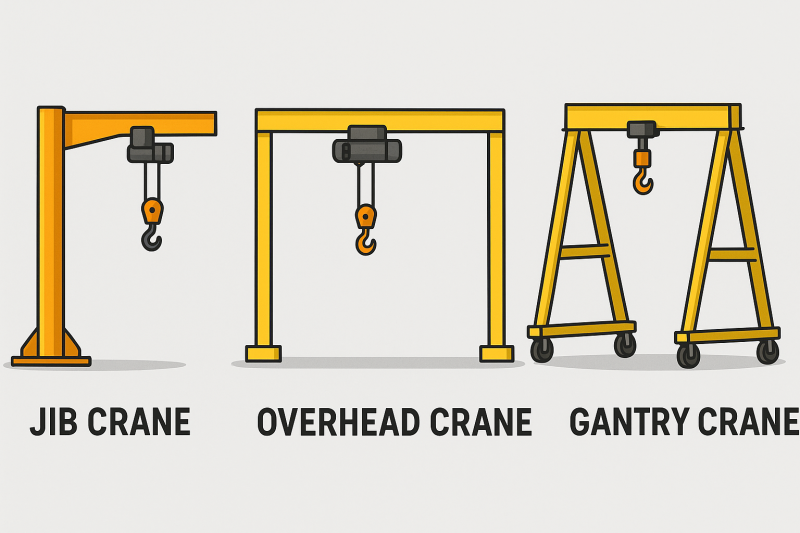
Understanding exactly how to operate the Aardwolf AGC-1000 Portable Gantry Crane is essential for maximizing safety, productivity, and operational efficiency in your workplace. By becoming thoroughly familiar with the crane’s specific components—including its height-adjustable aluminum frame, durable swivel casters, and precise hoisting and trolley mechanisms—operators can confidently manage heavy lifting tasks safely and effectively.
Strict adherence to clearly defined operational steps—such as conducting pre-operation inspections, securely positioning and stabilizing the crane, accurately attaching loads, and ensuring controlled lifting and lowering—greatly reduces the risk of accidents and equipment damage. Moreover, regularly following established safety guidelines, including never exceeding the crane’s clearly marked 1,000 kg capacity, reinforces workplace safety and ensures compliance with regulatory standards.
Ultimately, investing in the Aardwolf AGC-1000 Gantry Crane provides your industry with a robust, versatile, and user-friendly solution designed specifically to handle diverse lifting applications across sectors such as stone fabrication, glass handling, construction, and industrial maintenance. By mastering its operation, your team can enhance workplace safety, optimize workflow efficiency, and reliably meet the dynamic demands of your business.
References
1. How to operate a Jib Crane safely
3. Over brace jib crane wall mounted
5. Is a Jib Crane a Gantry Crane
6. Articulated Jib Crane Wall Mounted
8. Manual Counterbalance Crane
10. Over Braced Jib Crane Column Mounted
Aardwolfの新製品、特別オファーなどの最新情報を受け取るにはご登録ください。
登録すると、Aardwolfからニュース、特別オファー、プロモーション、その他の情報を含むメールを受け取ることに同意したことになります。いつでも配信停止できます。