











 便り
How to Calculate the Right Crane Capacity for Your Gantry Crane
便り
How to Calculate the Right Crane Capacity for Your Gantry Crane
言語を変更する



フォローする


 Share
Share
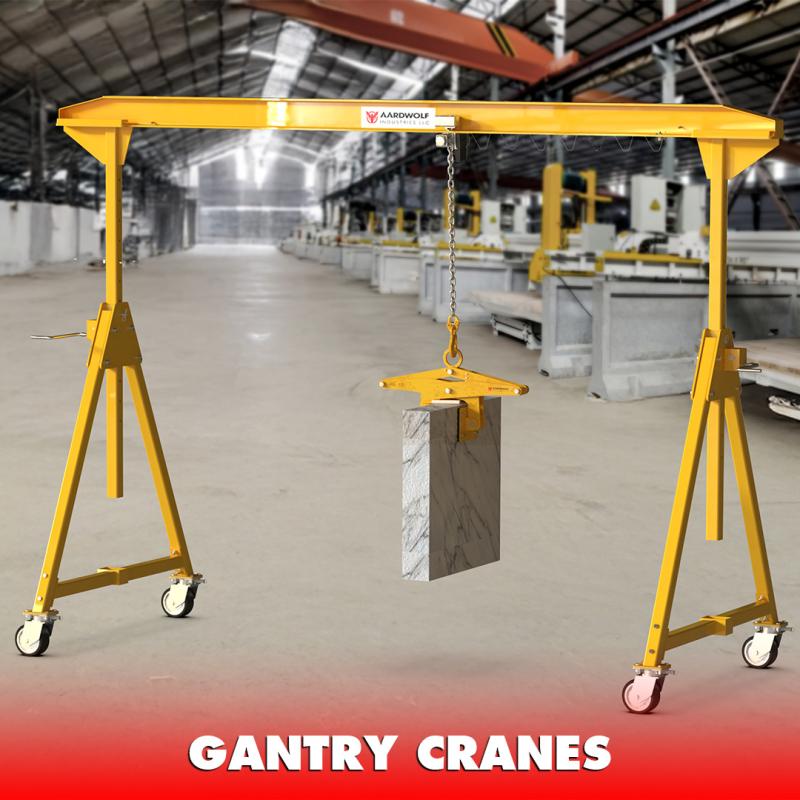
Gantry cranes, particularly specialized solutions like those from Aardwolf Industries, provide exceptional reliability and versatility. Whether lifting stone slabs, industrial equipment, construction materials, or precision loads, accurately calculating the required crane capacity ensures optimal performance, reduces unnecessary costs, and maintains a safe working environment.
This detailed guide will walk you step-by-step through determining the correct crane capacity, specifically highlighting the Aardwolf AGC-1000 Portable Gantry Crane as a prime example.
Gantry crane capacity refers to the maximum load weight the crane can safely lift. Capacity is typically measured in kilograms (kg) or tons, clearly marked on the crane. For example, the Aardwolf AGC-1000 Portable Gantry Crane is rated for 1,000 kg (2,204 lbs), meaning it safely lifts loads up to this specified weight without risking safety or structural integrity.
Choosing the right crane capacity not only ensures smooth operations but also extends equipment lifespan and reduces the risk of accidents.
Choosing the correct crane capacity for your gantry crane is vital because:
Safety:
Selecting a crane with insufficient capacity increases accident risks and equipment failures.
Cost-Efficiency:
Choosing an overly large crane may result in unnecessary initial investment and increased operating costs.
For example, if your typical load weighs around 800 kg, selecting an Aardwolf AGC-1000 ensures ample capacity without overspending on a significantly larger crane.
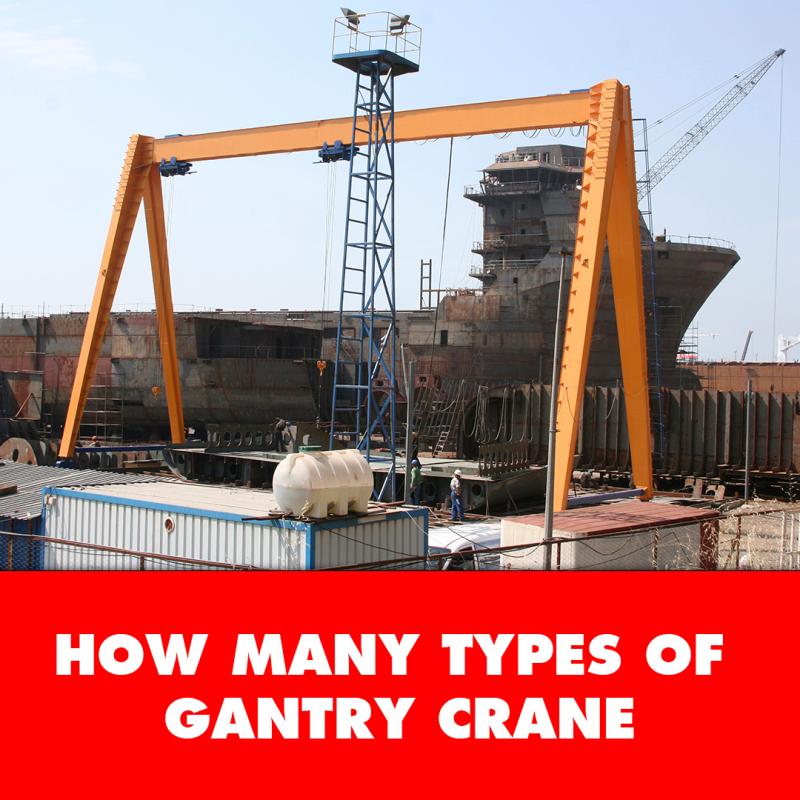
When calculating the right crane capacity, consider the following essential factors:
The nature and weight of materials directly determine the necessary crane capacity. Aardwolf gantry cranes, such as the AGC-1000, are ideal for stone slabs, marble blocks, machinery components, glass panels, and similar heavy but manageable loads within the crane’s rated capacity.
For frequent lifting tasks near the crane's maximum capacity, choosing a crane with a higher rated capacity (such as selecting the AGC-1000 for regular loads around 700-900 kg) ensures reduced wear and enhances equipment longevity.
Environmental conditions significantly influence crane selection. Outdoor operations, uneven surfaces, and challenging environmental factors often require robust, reliable cranes like the aluminum-built Aardwolf AGC-1000, designed for stability, corrosion resistance, and durability.
Portable Gantry Crane (e.g., Aardwolf AGC-1000)
Capacity: Typically 500 kg to 5,000 kg.
Use: Versatile and movable, perfect for workshops, fabrication sites, and construction projects.
Single Girder Gantry Crane
Capacity: 1 to 20 tons.
Use: Suitable for medium-duty industrial environments.
Double Girder Gantry Crane
Capacity: 10 to 500 tons.
Use: Heavy-duty lifting in shipyards and large-scale manufacturing.
For small to medium lifting requirements in fabrication and construction, the Aardwolf AGC-1000 offers an ideal blend of capacity and portability.
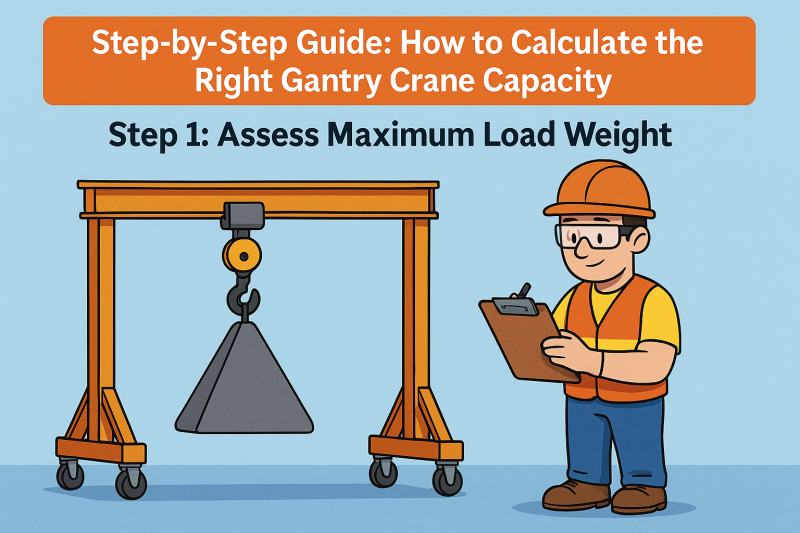
First, identify the heaviest load you'll regularly handle. For instance, if your maximum load is approximately 900 kg, an Aardwolf AGC-1000 (rated for 1,000 kg) is ideal, allowing for a recommended 10% safety margin.
Practical Example:
Heaviest load: 900 kg
Recommended crane capacity: 1,000 kg (AGC-1000)
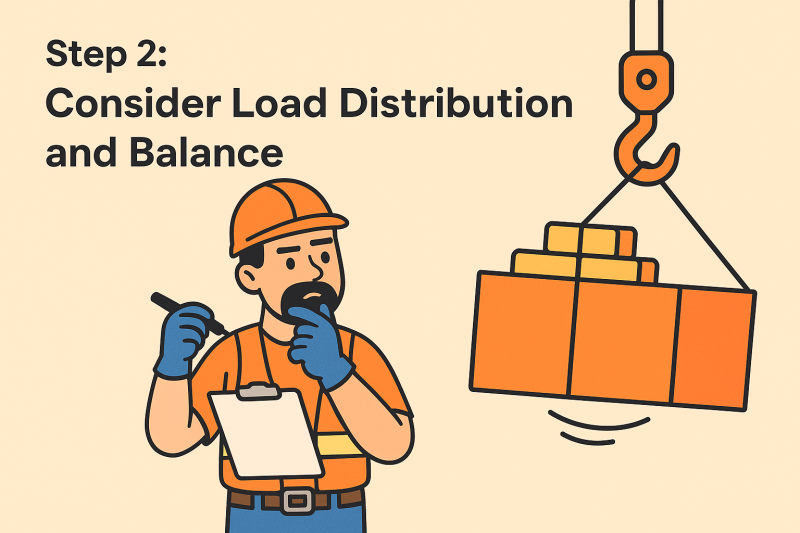
How the load is distributed matters significantly. The Aardwolf AGC-1000 is specifically engineered to handle evenly distributed loads effectively. However, concentrated loads (like stone slabs or heavy machinery parts) should always be balanced carefully, ensuring stable, safe lifting within the crane's rated limits.
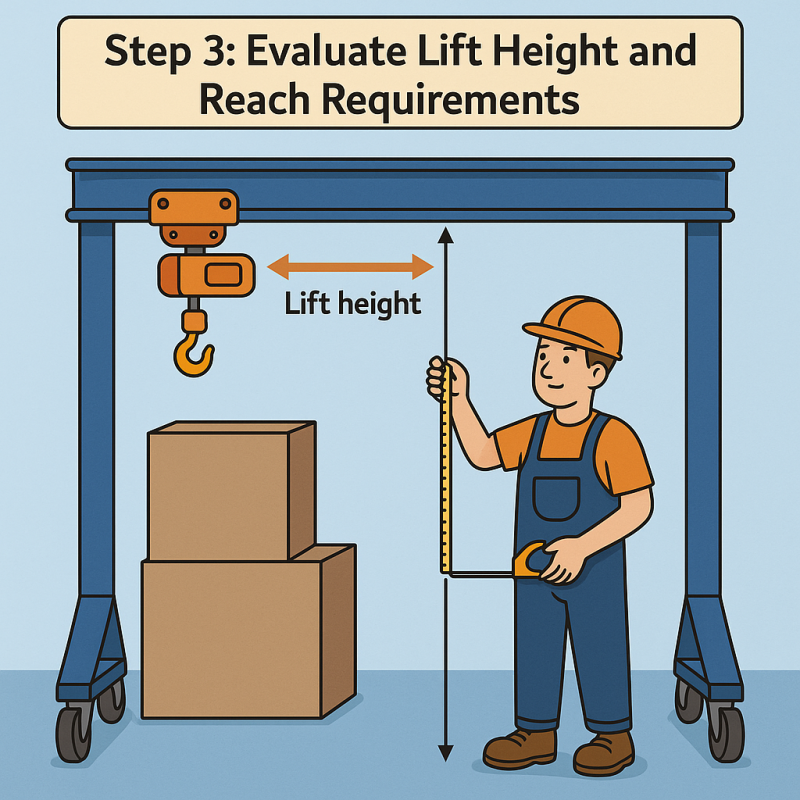
Higher lifts and extended reaches put additional strain on cranes. The AGC-1000 provides adjustable lifting heights (using manual hand-wind handles or battery-powered drills) up to approximately 3 meters, suitable for most fabrication and installation tasks. Confirm the lifting height matches your specific operational needs without compromising safety margins.
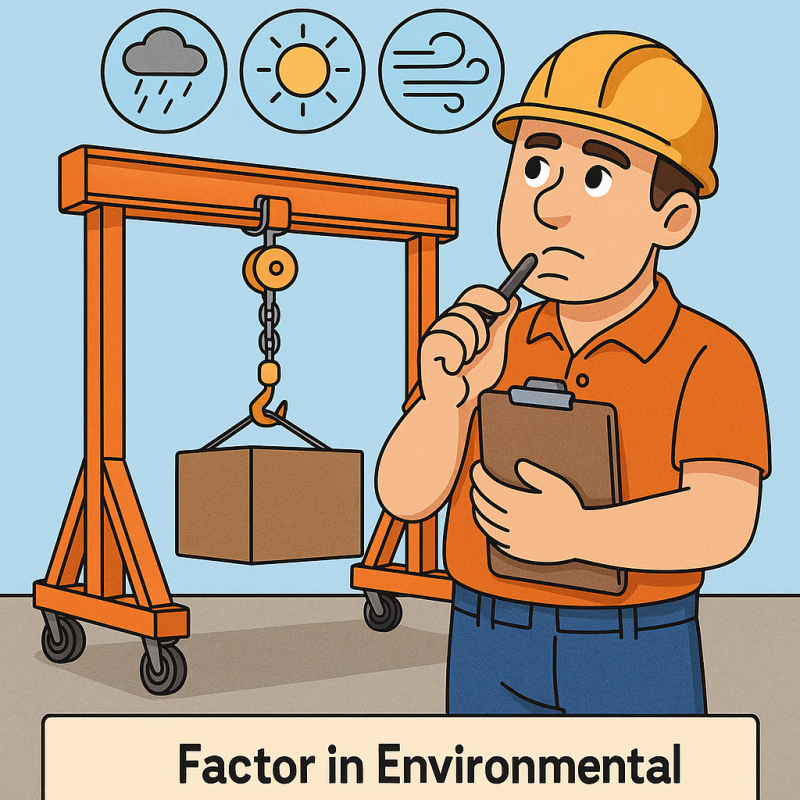
Wind:
Aardwolf cranes like the AGC-1000, built from aluminum, offer stability and reduced wind resistance, but always consider extra capacity if operating regularly in windy conditions.
Temperature:
Aluminum construction and robust components ensure consistent performance in varying temperatures, but extreme conditions may require added safety margins.
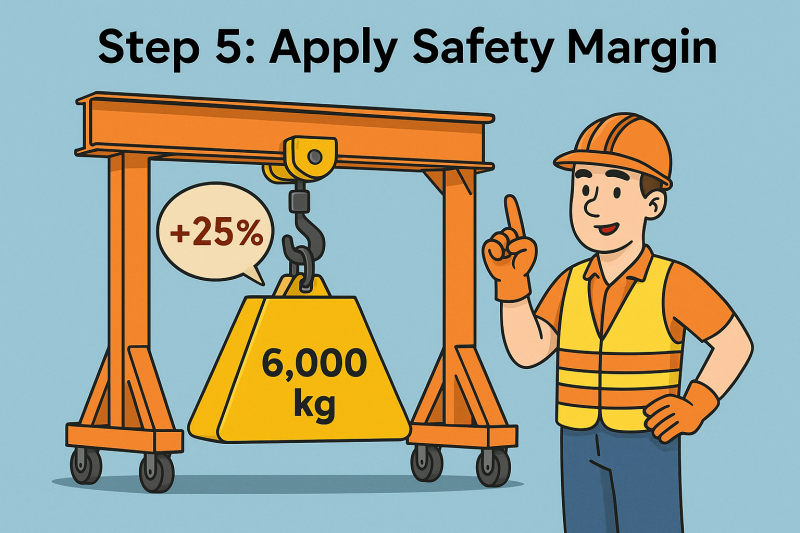
Always include a safety margin of 10-20% above your maximum anticipated load. If your heaviest frequent load is around 900 kg, selecting the Aardwolf AGC-1000 with a 1,000 kg capacity automatically integrates this recommended safety margin, providing safe and efficient operations.
Selecting an excessively large crane leads to unnecessary investment. For example, buying a crane rated for 5 tons when your heaviest load is just 1 ton increases costs without operational benefits.
Underestimating the crane's required capacity is a significant safety risk, potentially causing equipment damage and injuries. Always select a crane like the AGC-1000, clearly marked with the appropriate load limit for your specific needs.
Failing to consider how loads distribute on the crane can lead to instability and accidents. Always use appropriate lifting attachments (such as Aardwolf slab lifters or vacuum lifters) to balance loads evenly.
Aardwolf specializes in high-quality portable lifting equipment. Products like the AGC-1000 offer exceptional benefits, including:
Clearly marked, reliable load capacities (1,000 kg for the AGC-1000).
Portable and adjustable aluminum frames for versatile applications.
Heavy-duty swivel casters for easy, safe maneuverability.
Durable design suitable for rigorous industrial use.
Minimal assembly time and easy operational control.
Regular Inspection:
Periodically inspect your Aardwolf crane for signs of wear, corrosion, or structural damage.
Preventive Maintenance:
Follow Aardwolf’s recommended maintenance schedule, lubricating casters, adjusting mechanisms, and checking hoist performance regularly.
Operator Training:
Train all operators thoroughly on load capacity limits, safe lifting practices, and the proper use of crane controls.
Compliance and Documentation:
Maintain accurate records of inspections and maintenance to ensure regulatory compliance and operational safety.
Selecting the correct gantry crane capacity directly impacts operational safety, efficiency, and long-term cost-effectiveness. By thoroughly evaluating your specific lifting needs—considering load weight, distribution, environmental factors, and operational frequency—you can confidently choose a crane that meets your requirements precisely.
The Aardwolf AGC-1000 Portable Gantry Crane, rated for 1,000 kg, represents an excellent choice for small-to-medium lifting applications, offering the ideal balance of strength, flexibility, portability, and cost-effectiveness.
By making precise capacity calculations and investing in reliable lifting equipment like Aardwolf gantry cranes, you ensure safer, smoother operations and enhance overall productivity within your industry.
References
1. How to operate a Jib Crane safely
3. Over brace jib crane wall mounted
5. Is a Jib Crane a Gantry Crane
6. Articulated Jib Crane Wall Mounted
8. Manual Counterbalance Crane
10. Over Braced Jib Crane Column Mounted
Aardwolfの新製品、特別オファーなどの最新情報を受け取るにはご登録ください。
登録すると、Aardwolfからニュース、特別オファー、プロモーション、その他の情報を含むメールを受け取ることに同意したことになります。いつでも配信停止できます。