














 便り
Future Outlook: What’s Next for Jib Cranes?
便り
Future Outlook: What’s Next for Jib Cranes?
言語を変更する



フォローする


 Share
Share
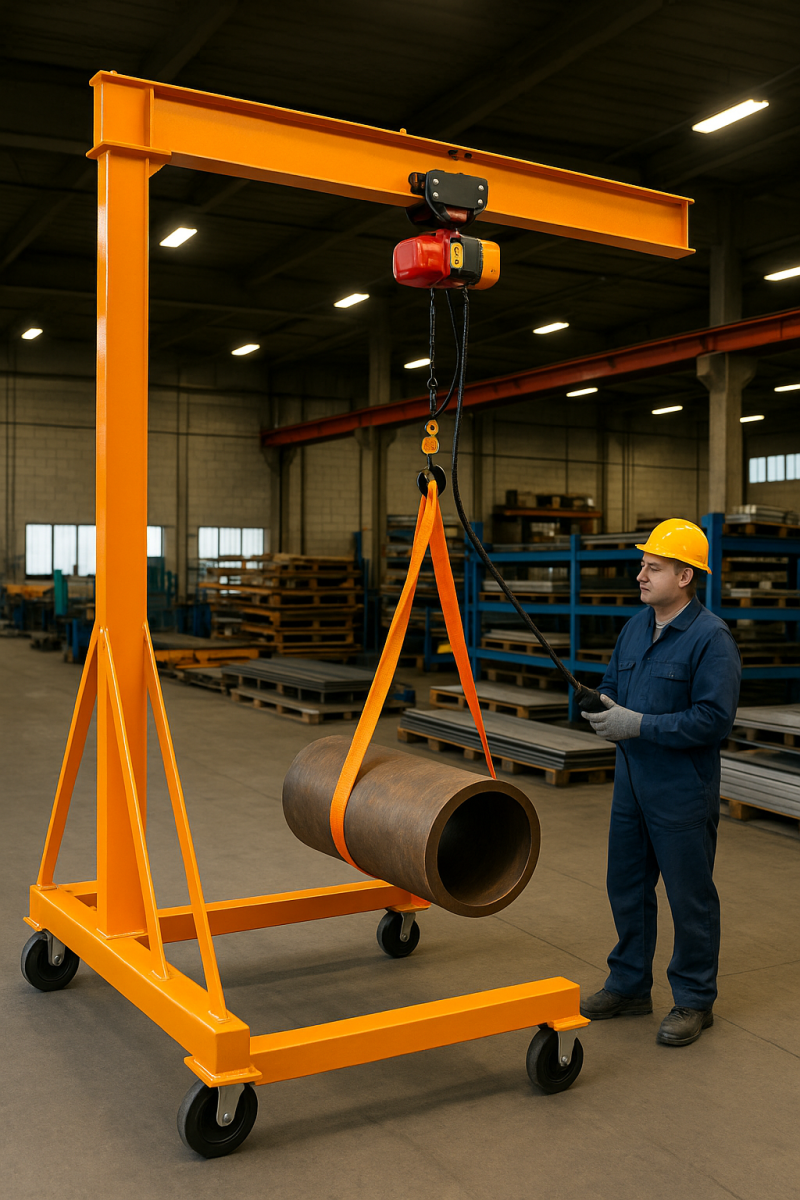
Among the various lifting solutions available, jib cranes have continuously adapted, offering exceptional versatility, precision, and operational reliability. Today, jib cranes—including freestanding jib cranes, wall-mounted jib cranes, ceiling-mounted jib cranes, articulating jib cranes, and pillar jib cranes—are evolving faster than ever, driven by emerging technologies and automation.
But what does the future hold for jib cranes? This article explores anticipated advancements, innovations, and trends shaping the industrial jib cranes future, equipping businesses to stay ahead and maximize productivity.
If you're just starting your journey with cranes, begin by learning What is a crane?.
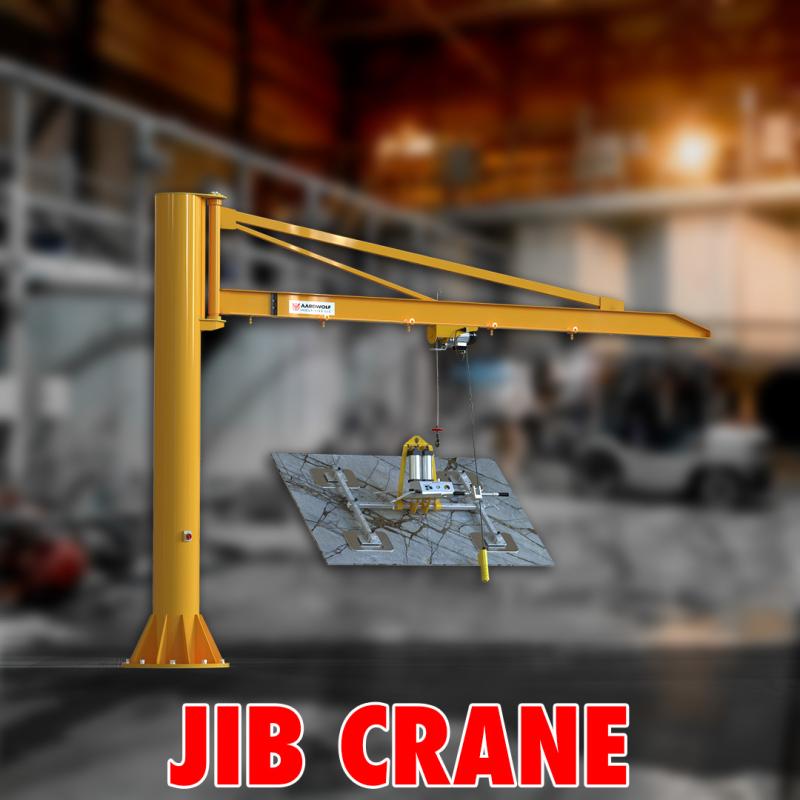
Before forecasting future developments, understanding the current capabilities of jib cranes is essential. A jib crane generally consists of a horizontal boom, or jib, that supports a movable hoist, facilitating radial lifting within a fixed area.
Freestanding Jib Crane: Independent and robust, offers a full 360-degree rotation.
Wall-Mounted Jib Crane: Compact and space-saving, mounted onto structural supports.
Ceiling-Mounted Jib Crane: Suspended from overhead structures, maximizing floor space.
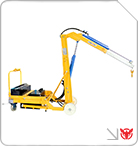
Articulating Jib Crane: Highly flexible, designed with multiple pivot points.
Pillar Jib Crane: Floor-mounted, ideal for moderate loads and compact spaces.
Currently, jib cranes deliver notable benefits in industries ranging from automotive assembly and manufacturing to warehouses and logistics facilities. However, the evolution is continuous, driven by technological advancements and operational needs.
One significant driver in the future evolution of jib cranes is automation. Automated jib cranes can perform precise, repetitive tasks reliably, with minimal human intervention. Integration with robotics technology enhances material handling efficiency, reduces downtime, and drastically improves workplace safety.
Expect automated systems to become standard features in various jib crane types, particularly articulating and freestanding jib cranes, which require advanced maneuverability.
Learn more about automated solutions by exploring What is a Jib crane application.
The IoT revolution impacts jib cranes significantly, enabling predictive maintenance and real-time monitoring. Advanced sensors will predict equipment failures before they occur, reducing downtime and improving operational efficiency.
Smart jib cranes equipped with IoT technology will automatically monitor structural integrity, load capacity, and operational conditions, making maintenance proactive rather than reactive.
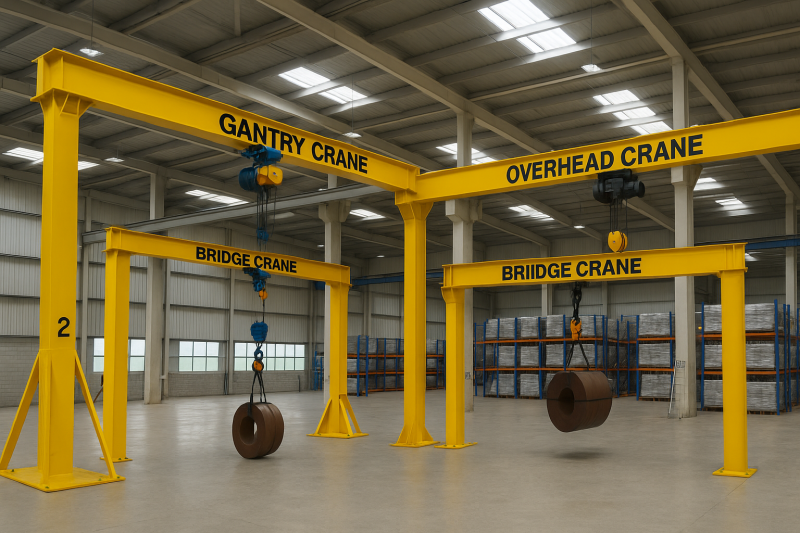
The future of jib cranes also involves advancements in materials science. High-strength, lightweight materials, such as composite alloys and reinforced polymers, will significantly impact crane design, allowing cranes to handle heavier loads while reducing overall weight.
Explore practical insights into crane design by visiting How to design a jib crane.
Modular design concepts are likely to become increasingly popular. Businesses will soon prefer jib cranes that offer rapid installation, scalability, and easy customization. Modular cranes can be swiftly adapted for specific operational requirements, reducing downtime during setup or reconfiguration.
Future jib cranes will incorporate enhanced ergonomic designs and safety features, driven by increasing workplace safety standards and industry regulations. Features such as collision-avoidance systems, automated emergency stops, and load balancing technology will become commonplace, improving safety and productivity simultaneously.
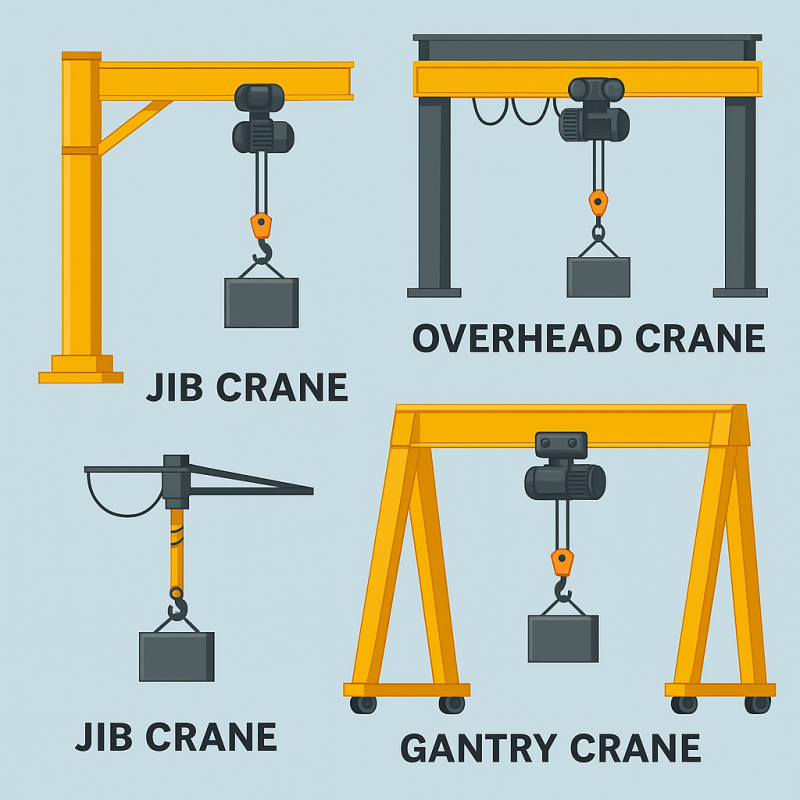
As industries advance, understanding how jib cranes stack up against other solutions like overhead cranes is crucial. While overhead cranes provide extensive facility coverage and substantial lifting capacities, jib cranes offer unmatched localized flexibility, precision, and ease of installation.
For a detailed comparative analysis, review Jib cranes vs overhead cranes.
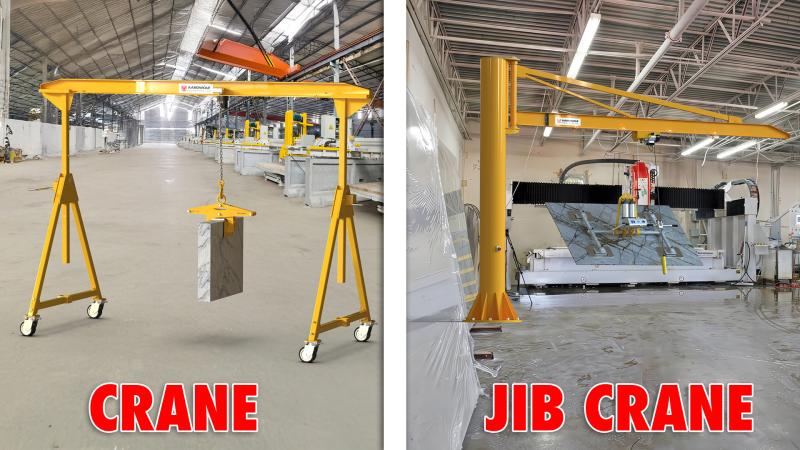
Among jib crane variants, wall-mounted jib cranes are gaining traction due to their exceptional space-efficiency and ease of installation. As industrial spaces become increasingly compact, these cranes' demand is expected to grow significantly.
Delve deeper by exploring Understand a Wall-mounted Jib Crane?.
Continuously assess and forecast your lifting requirements and space constraints. Staying proactive ensures your operations integrate smoothly with emerging jib crane technologies.
Gradually integrate automation and IoT capabilities into existing jib crane systems, ensuring seamless transition as these technologies become industry standard.
Keep your operators and maintenance staff trained in emerging jib crane technologies, emphasizing operational safety, automation handling, and predictive maintenance practices.
Explore emerging trends further at Industrial Jib Cranes Future.
Adapting to future technologies presents several challenges:
High Initial Investment: Advanced automated cranes may require substantial upfront investment, balanced by long-term productivity gains and reduced maintenance costs.
Technical Skill Requirements: Advanced automated cranes require operators and maintenance staff with higher technical skills, necessitating targeted training programs.
Businesses can address these challenges by strategic investment planning and ongoing workforce development.
The future of jib cranes is undoubtedly promising, characterized by advanced automation, IoT integration, innovative materials, and enhanced safety. As industries increasingly embrace these technologies, jib cranes' significance and efficiency will only continue to rise.
To maintain competitiveness and maximize productivity, businesses must adapt proactively to emerging jib crane technologies and operational trends.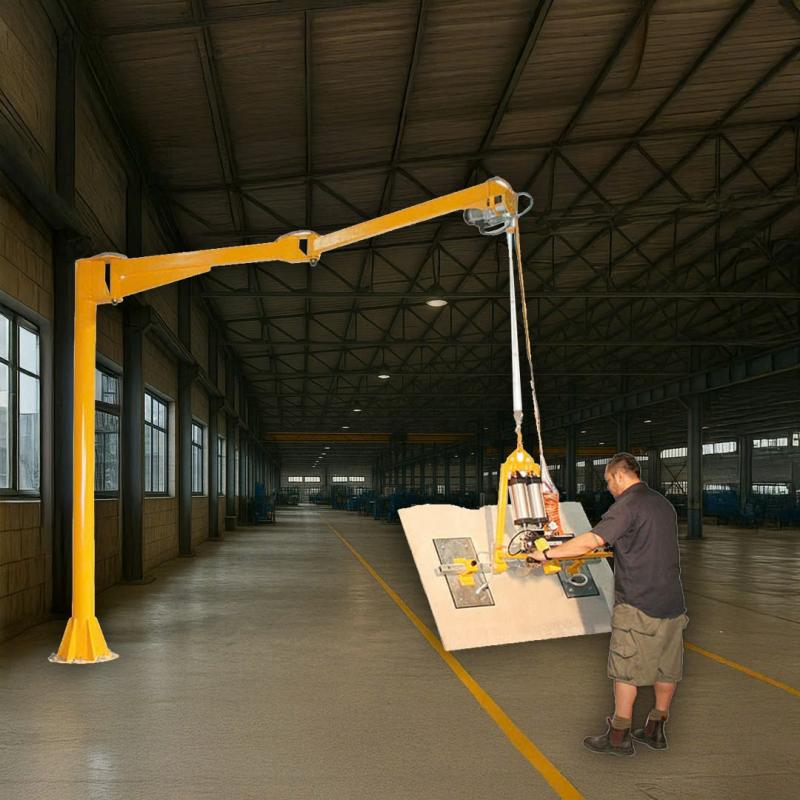
Whether considering your first crane installation or upgrading your current system, starting with fundamental knowledge such as What is a crane? can prove invaluable. Embrace the future confidently, understanding that jib cranes are evolving rapidly to meet tomorrow’s industrial demands.
References
1. How to operate a Jib Cranes safely
3. Over brace jib crane wall mounted
5. Is a Jib Crane a Gantry Crane
6. Articulated Jib Crane Wall Mounted
8. Manual Counterbalance Crane
10. Over Braced Jib Crane Column Mounted
11. Powered counterbalance Crane
Aardwolfの新製品、特別オファーなどの最新情報を受け取るにはご登録ください。
登録すると、Aardwolfからニュース、特別オファー、プロモーション、その他の情報を含むメールを受け取ることに同意したことになります。いつでも配信停止できます。