









 뉴스
Which Material Handling Safety Equipments Are Best Suited for Small Warehouses?
뉴스
Which Material Handling Safety Equipments Are Best Suited for Small Warehouses?
언어 변경



우리를 팔로우하세요


 Share
Share
Small warehouses face unique challenges: constrained layouts, limited budgets, and diverse load types. This article explores how to choose and integrate the best safety-focused solutions—from cranes to clamps—to ensure efficient, injury-free operations in small-scale facilities.
Before investing in gear, it’s essential to recognize the core risks and foundational steps for material handling safety:
Risk Awareness: Procedures must begin with identifying specific handling hazards—whether lifting heavy boxes, moving awkward shapes, or securing fragile sheet goods—and matching them to the right safety tools
Policy & Training: A clear safety policy defines roles, safe work practices, and required personal protective equipment (PPE). Regular, hands-on training reinforces proper techniques and equipment use
Equipment Selection: Choose devices that eliminate or reduce manual strain—leveraging mechanical aids wherever possible.
Inspection & Maintenance: Routine checks and preventive maintenance on lifting equipment curb unexpected failures.
Continuous Improvement: Collect incident data and feedback to refine safety protocols over time
In small warehouses, these steps keep workflows agile and secure, ensuring that every piece of material handling equipment contributes to both productivity and protection.
When evaluating solutions, consider:
Footprint & Flexibility: Can the device be installed in narrow aisles or directly at pick-pack stations?
Load Capacity & Range: Does it handle your heaviest loads—granite slabs, metal tubing, or bulk cartons—without overkill for lighter items?
Ease of Use: Quick setup and intuitive controls reduce training time and operator error.
Cost & ROI: Balance upfront investment against long-term reductions in injury, downtime, and product damage.
Vendor Support: Partner with reputable material handling companies offering installation, training, and spare-parts back-up.
These factors streamline selection, ensuring small facilities get maximum safety gains with minimal disruption.
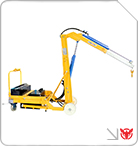
An overhead gantry crane brings powerful lifting capacity to compact spaces. Its free-standing frame can span short runs without costly building modifications, making it ideal for lifting heavy pallets, machinery components, or stone slabs. The low profile maximizes headroom, while manual or electric hoist options let you customize speed and capacity.
Learn more about choosing the right overhead gantry crane equipment.
For pinpoint lifting within a fixed zone, a wall-mounted jib crane offers exceptional value. Its swing-arm design covers an arc of work area without occupying floor space. Ideal for repetitive lifts—loading racks, moving totes, or precisely positioning components—a jib crane delivers ergonomic benefits by keeping loads close to the mast and reducing operator reach and twist.
Securing loads is just as vital as lifting them. Durable straps ratchet tie down systems provide tensioned restraint for palletized goods, crate bundles, and long-length materials. Their high-tensile polyester webbing and corrosion-resistant buckles make them suitable for everyday use, preventing load shift during intra-warehouse transport or temporary staging.
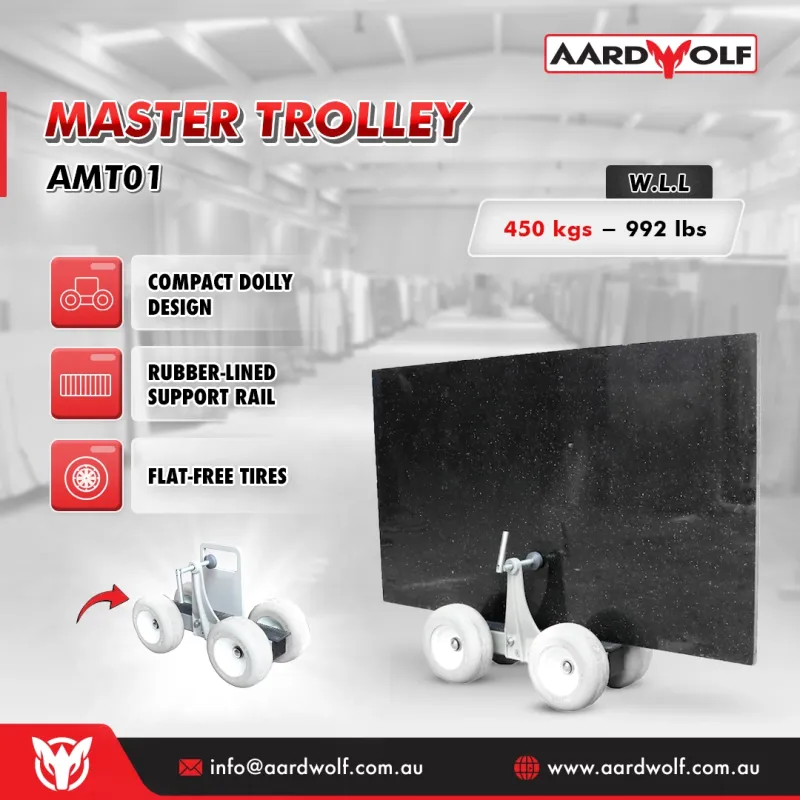
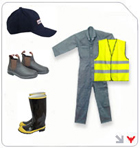
Beyond mechanical aids, a comprehensive safety program leverages PPE and simple tools. For instance, anti-slip gloves, safety shoes, back-support braces, and portable load carts all fall under the umbrella of material-handling safety equipment. These essentials mitigate residual risks when manual handling is unavoidable.
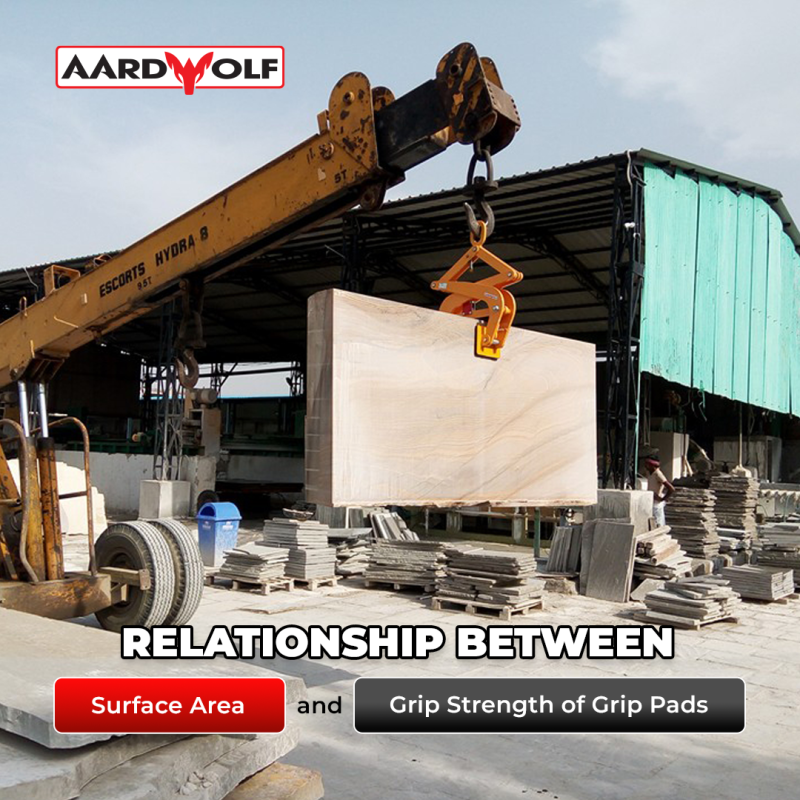
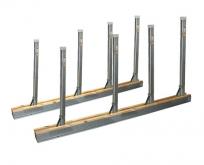
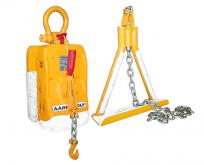
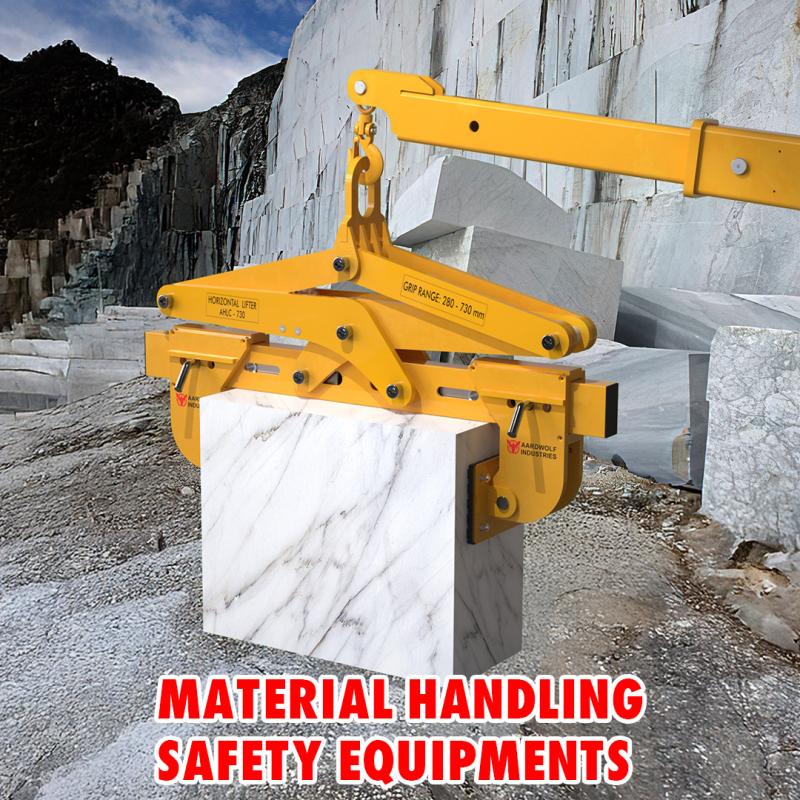
Handling heavy, rigid sheets—granite, marble, glass—calls for precision. The horizontal stone lifting clamp grips slabs securely without marring surfaces. Its one-handed activation lets operators pick, place, and rotate panels with confidence, reducing strain and improving placement accuracy.
For high-throughput environments, the slab lifter automatic with integrated roller system combines vacuum suction and powered rollers. This hybrid tool glides heavy panels across floors or staging tables, minimizing manual pushing and mitigating pinch-point hazards.
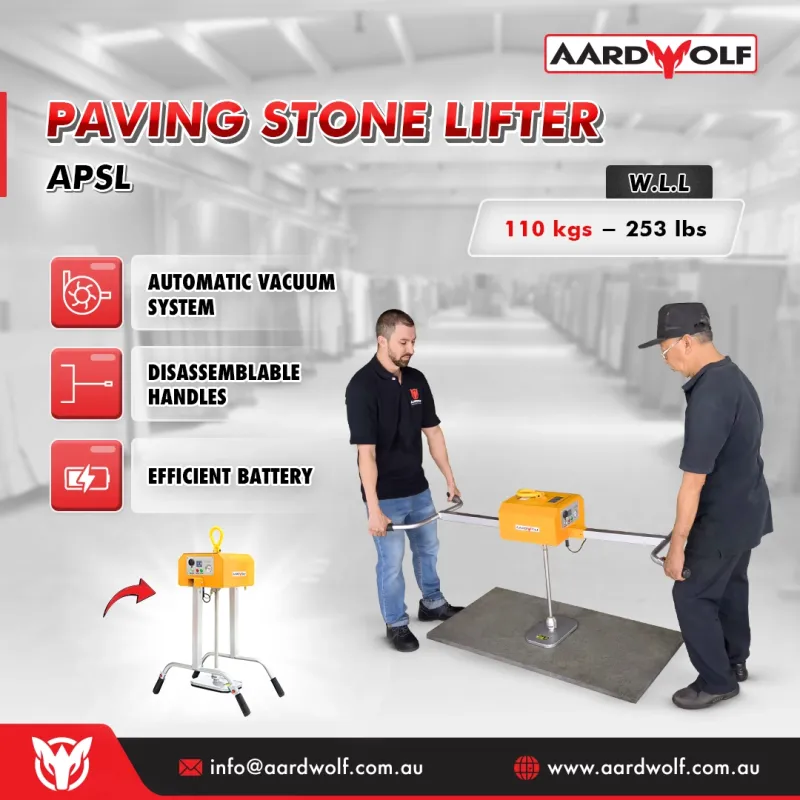
When cleanliness and surface integrity matter—think glass panes or polished stone—the electric vacuum lifter delivers non-marking suction grip. Its battery-powered pump and ergonomic handles allow single-operator lifts of awkward shapes, dramatically improving both safety and cycle times.
Equipment ROI depends on proper use. Develop standard operating procedures (SOPs) for each device and schedule regular drills. Involve front-line workers in protocol development to ensure buy-in and practical relevance.
Inspect cranes, clamps, and lifters daily for wear, hydraulic leaks, and vacuum integrity. Track mean time between failures (MTBF) and plan downtime during off-peak hours to minimize disruption.
Leverage simple checklists or digital logs to capture near-misses and equipment faults. Regularly review data to refine policies, update training, and decide when to upgrade or replace gear.
Small warehouses can achieve big-league safety by combining strategic risk assessment with the right lifting equipment: from compact cranes to specialized lifters and secure strapping. By following a structured safety framework—based on the five essential steps of hazard awareness, policy, training, equipment—facilities can boost productivity, reduce injuries, and optimize space. Whether you handle pallet loads, fragile slabs, or bulky machinery, investing in the right tools today pays dividends in efficiency and worker well-being tomorrow.
Aardwolf의 신제품, 특별 할인 및 기타 정보를 받으려면 가입하세요.
가입하면 Aardwolf로부터 뉴스, 특별 할인, 프로모션 및 기타 정보를 이메일로 받는 데 동의하게 됩니다. 언제든지 구독을 취소할 수 있습니다.