












 뉴스
How to Implement Preventive Maintenance on Material Handling Equipment
뉴스
How to Implement Preventive Maintenance on Material Handling Equipment
언어 변경



우리를 팔로우하세요


 Share
Share
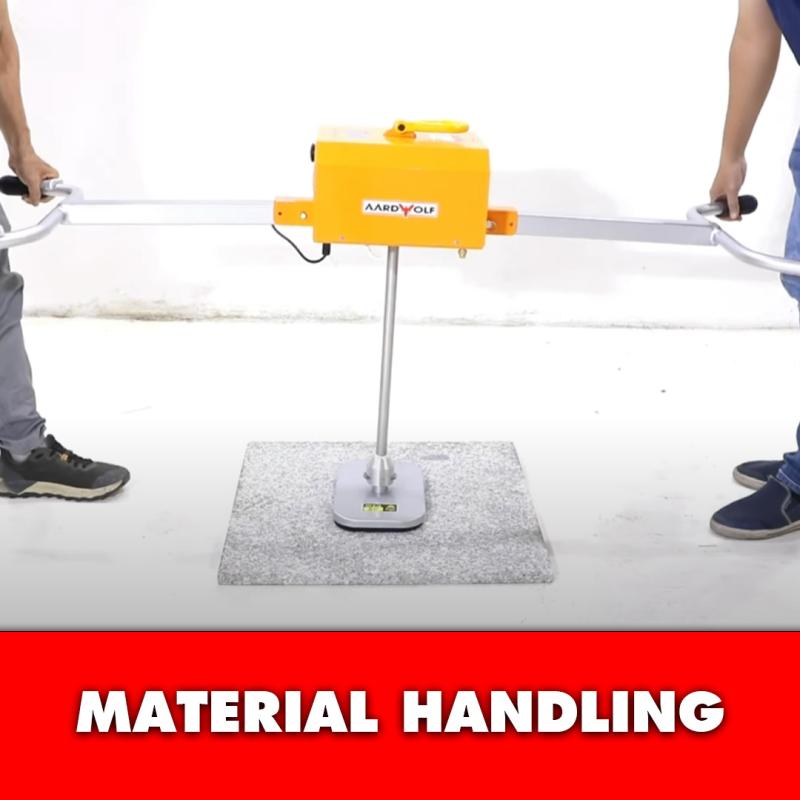
By proactively servicing lifting devices such as lifting clamps, vacuum lifters, slab lifters, and scissor lifters, as well as overhead systems like gantry cranes and jib cranes, companies can avoid costly repairs, enhance safety, and maintain optimal productivity. This guide will walk you through a step-by-step approach to establishing a robust preventive maintenance program tailored to the needs of the material handling industry.
Preventive maintenance entails scheduled inspections, servicing, and part replacements before equipment failure occurs. In the context of material handling equipment, preventive maintenance:
Reduces Downtime: Scheduled upkeep prevents unexpected breakdowns that halt operations.
Enhances Safety: Regular checks on load-bearing components—chains, hoists, clamps—mitigate risk of accidents.
Extends Equipment Life: Lubrication, parts replacement, and calibration keep devices functioning beyond their expected lifespan.
Optimizes Performance: Well-maintained equipment operates more efficiently, reducing energy consumption and cycle times.
A comprehensive maintenance program must cover all major categories of lifting equipment:
Lifting Clamps: Mechanical grips used for steel plates, beams, and other irregular loads.
Vacuum Lifters: Suction-based devices for non‑porous materials like glass or sheet metal.
Slab Lifters: Multi‑point gripping systems for heavy stone or concrete slabs.
Scissor Lifters: Vertical elevating platforms for ergonomic positioning.
Gantry Cranes: Overhead bridge cranes on rails for large, heavy loads.
Jib Cranes: Localized rotating arms for precise placement.
Ratchet Tie Down Straps: Securing accessories critical for load restraint during transport.
Begin by cataloging every piece of material handling equipment in your facility:
| Equipment Type | Model/Capacity | Key Components to Inspect |
|---|---|---|
| Lifting Clamp | Various plate/beam clamps | Jaws, springs, locking pins |
| Vacuum Lifter | Vacuum Lifter | Vacuum pumps, seals, hoses |
| Slab Lifter | Slab Lifter | Gripping pads, rollers, locking mechanism |
| Scissor Lifter | Scissor Lifter | Hydraulic cylinders, scissor arms |
| Gantry Crane | Gantry Crane | Rails, bridge, trolley, hoist |
| Jib Crane | Jib Crane | Slew bearings, arm, hoist |
| Ratchet Straps | Various strap types | Webbing, ratchet mechanism, hooks |
Maintain this inventory in a Computerized Maintenance Management System (CMMS) or spreadsheet to track service history and upcoming tasks.
Define maintenance intervals based on manufacturer recommendations, usage intensity, and operating environment:
Daily/Shift Inspections: Visual checks for deformation, leaks, loose bolts.
Weekly Tasks: Lubrication of moving parts, functional tests of safety devices.
Monthly Service: Calibrate sensors, replace wear items (seals, filters).
Quarterly/Annual Overhauls: Comprehensive disassembly, non‑destructive testing, load testing.
Use a calendar or CMMS to trigger alerts for each scheduled activity.
Document step‑by‑step procedures for each maintenance task:
Lockout/Tagout: Ensure equipment is de‑energized and secured.
Inspection Checklist: List specific items to examine (e.g., “Check scissor lifter hydraulic lines for cracks”).
Servicing Steps: Detail lubrication points, torque specs, and part replacement instructions.
Testing & Verification: Describe functional tests, load tests, and safety device checks.
Record Keeping: Log date, technician, findings, and corrective actions.
Standardization ensures consistency and simplifies training for maintenance teams.
Inspect Jaws & Springs: Look for wear, cracks, or corrosion. Replace springs showing reduced tension.
Check Locking Pins: Ensure pins engage fully; replace any bent or worn pins.
Lubricate Pivot Points: Use manufacturer‑specified grease to reduce friction.
Pump & Motor Checks: Verify vacuum pump oil levels and motor amperage draw.
Seal & Hose Inspection: Examine suction cups and hoses for leaks or hardened seals. Replace as needed.
Control System Test: Cycle vacuum on/off to confirm proper level detection and alarms.
Gripping Pad Condition: Check pads for tears, debris, or hardening. Clean or replace.
Roller Mechanism: Ensure rollers spin freely; lubricate bearings.
Locking Mechanism: Test automatic locks under load for secure engagement.
Hydraulic Fluid Levels: Maintain recommended fluid levels and check for contamination.
Cylinder & Hose Integrity: Inspect rods for scoring; replace hoses at first sign of wear.
Scissor Arm Alignment: Verify arms open/close smoothly without binding.
Rail Alignment & Wear: Inspect rails for misalignment, wear, or debris buildup.
Bridge & Trolley Travel: Check for smooth operation and proper lubrication.
Hoist & Hook Assembly: Conduct load tests; inspect hooks for deformation and latch function.
Refer to industry best practices for gantry crane maintenance and jib crane servicing.
Webbing Condition: Look for cuts, fraying, or UV degradation.
Ratchet Mechanism: Operate ratchet and release to ensure smooth function.
Hardware Inspection: Check hooks and buckles for corrosion or deformation.
Equip maintenance personnel with:
Manufacturer Training: On‑site or factory courses covering equipment specifics.
Safety Certification: Lockout/tagout, power‑tool operation, and confined‑space procedures.
Continuous Education: Updates on new material handling industry standards and technologies.
CMMS Software: Schedule tasks, store manuals, and track parts usage.
Mobile Inspections: Use tablets or smartphones for real‑time logging and photo documentation.
IoT Sensors: Monitor vibration, temperature, and load in real time to trigger maintenance alerts.
For specialized equipment—like high‑capacity gantry cranes or advanced vacuum lifters—work with experienced material handling companies offering:
Turnkey Maintenance Contracts: Full coverage for inspections, parts, and labor.
Spare Parts Kits: Pre‑assembled kits for critical components.
24/7 Support: Rapid response to minimize downtime.
Track metrics to evaluate the success of your preventive maintenance program:
Mean Time Between Failures (MTBF): Longer MTBF indicates higher reliability.
Mean Time to Repair (MTTR): Shorter MTTR reflects efficient maintenance processes.
Preventive vs. Reactive Ratio: A higher percentage of preventive tasks suggests proactive management.
Downtime Hours: Reduction in unplanned downtime correlates with better maintenance.
Maintenance Audits: Periodic reviews of procedures and records to identify gaps.
Operator Feedback: Encourage equipment users to report anomalies early.
Kaizen Events: Cross‑functional teams brainstorm solutions to recurring issues and refine procedures.
A well‑implemented preventive maintenance program for material handling equipment not only safeguards your investment in critical assets—like slab lifters, scissor lifters, and overhead gantry cranes—but also drives substantial gains in safety, uptime, and operational efficiency. By developing a detailed maintenance plan, standardizing procedures, training your team, and leveraging digital tools, you can transition from reactive repairs to a proactive culture of reliability.
Remember to include regular inspections of accessories such as ratchet tie down straps, collaborate with trusted material handling companies, and continuously refine your approach through data‑driven feedback. Embrace these best practices to keep your material handling operations running smoothly, safely, and profitably—today and into the future.
Aardwolf의 신제품, 특별 할인 및 기타 정보를 받으려면 가입하세요.
가입하면 Aardwolf로부터 뉴스, 특별 할인, 프로모션 및 기타 정보를 이메일로 받는 데 동의하게 됩니다. 언제든지 구독을 취소할 수 있습니다.