













 Zprávy
Stone Fabrication Kit | Tools and Techniques Explained
Zprávy
Stone Fabrication Kit | Tools and Techniques Explained
Změnit jazyk



Sledujte nás na


 Share
Share

Stone fabrication is the process of cutting, shaping, polishing, and installing natural or engineered stone for residential and commercial applications. Commonly used materials include granite, marble, quartz, and quartzite.
Unlike prefabricated countertops or slabs, custom stone fabrication allows for precise customization, ensuring an exact fit for kitchens, bathrooms, and outdoor spaces.
According to the Natural Stone Institute, the global stone industry continues to grow, with a rising demand for customized stone surfaces in luxury residential and commercial spaces.
A stone fabrication kit consists of specialized stone fabrication tools and material handling equipment designed to enhance efficiency and precision.
Accurate measurements are the foundation of any successful stone fabrication project.
Why It Matters: Proper templating prevents costly mistakes and ensures a perfect countertop fit.
Once the design is templated, fabricators use advanced cutting tools to shape the stone slab.
Why It Matters: These tools help create precise cuts, minimizing material waste and breakage.
After cutting, polishing and edge detailing enhance the stone’s appearance.
Why It Matters: High-quality polishing ensures durability and an aesthetically pleasing finish.
Seamless joints are crucial for structural integrity and visual appeal.
Why It Matters: Professional seaming prevents water damage, cracking, and uneven finishes.
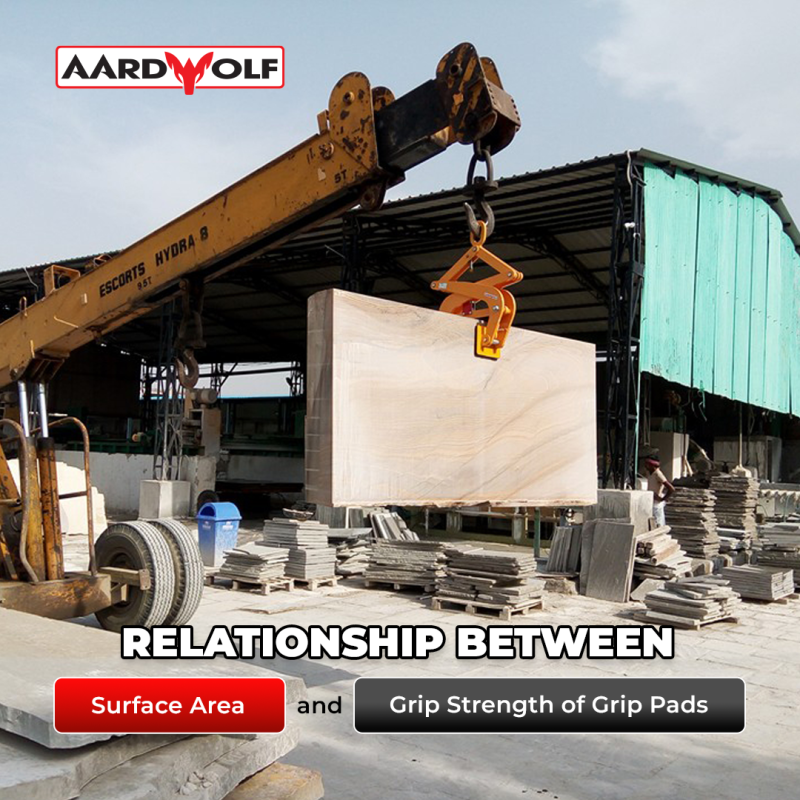
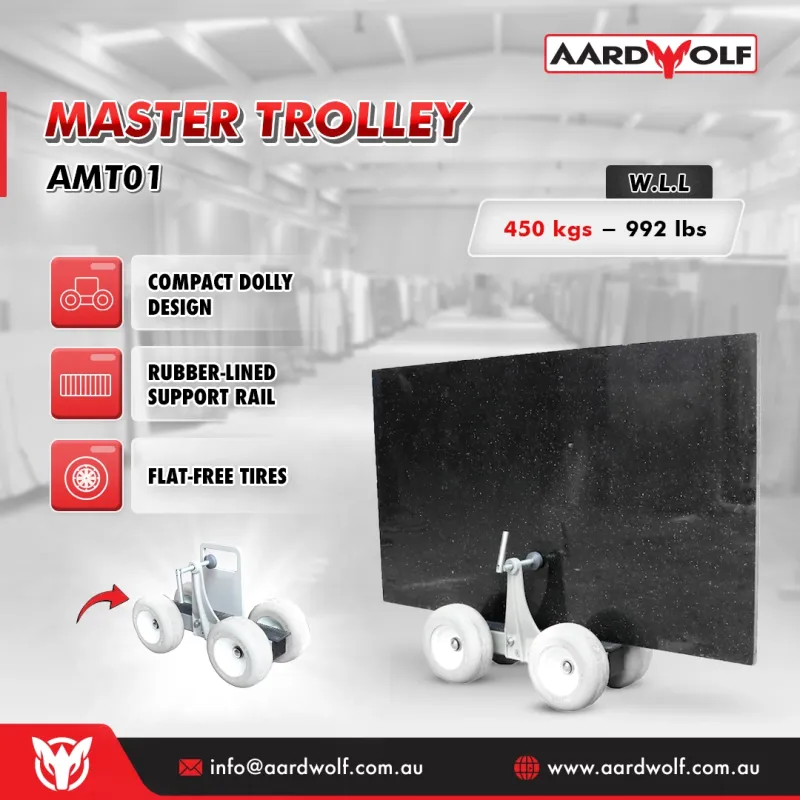
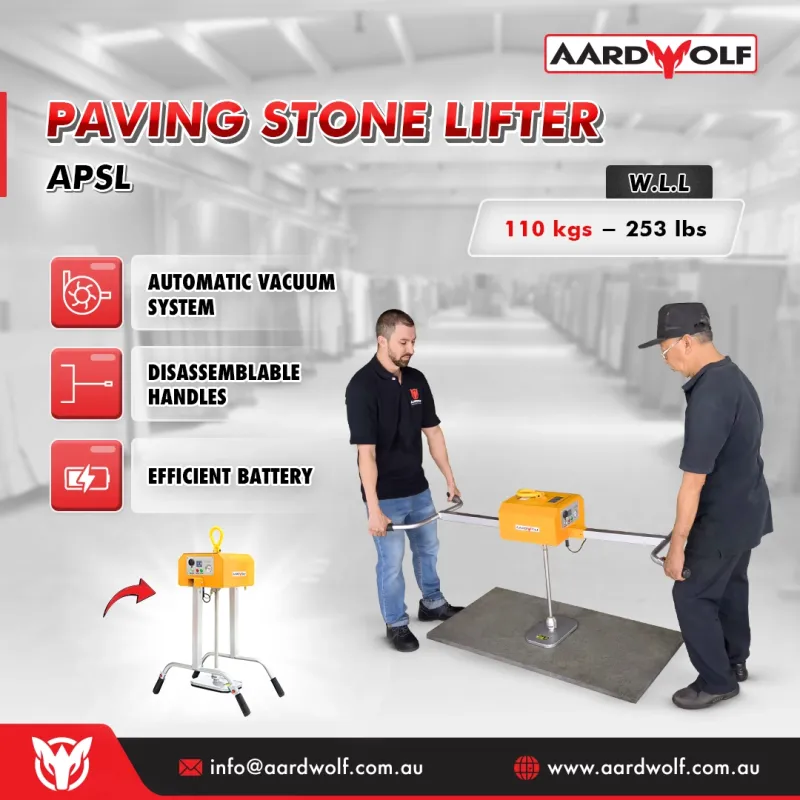
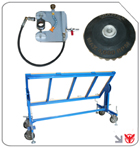
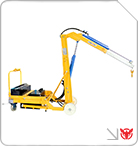
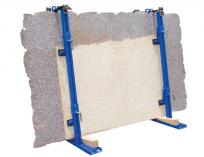
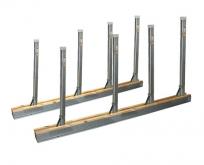
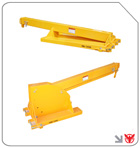
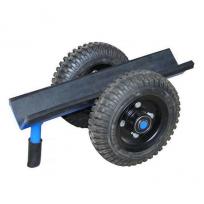
Handling heavy stone slabs safely is a major challenge in stone fabrication. Proper material handling equipment minimizes damage and ensures worker safety.
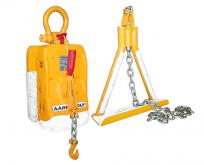
Why It Matters: Using lifting clamps and material handling equipment reduces workplace injuries and prevents slab breakage during transport.
According to Mordor Intelligence, the global stone market is expected to grow at a CAGR of 5.2% from 2024 to 2030, driven by the increasing demand for luxury countertops and sustainable materials.
A stone fabrication kit includes essential stone fabrication tools, material handling equipment, and lifting clamps that help achieve precision, efficiency, and durability. Understanding stone fabrication techniques ensures a flawless finish and a structurally sound installation.
Whether you’re a fabrication professional or starting a DIY stone project, investing in the right tools and techniques is key to success.
Disclaimer:
This article is for informational purposes only and does not constitute professional advice. Stone fabrication involves heavy materials and specialized equipment—always consult a certified professional for safety and best practices. We are not affiliated with any brands or products mentioned.
Regístrate para recibir la información más reciente sobre nuevos productos de Aardwolf, ofertas especiales y más.
Al registrarte, aceptas recibir correos electrónicos de Aardwolf con noticias, ofertas especiales, promociones y otra información. Puedes darte de baja en cualquier momento.